• Published on

    Berry-Berry Fresh

    It's always disappointing after you purchase berries only to find them beginning to turn and covered in mold just a few days later. Here's an easy hack to solve this dilemma!
    A little vinegar solution can keep that fuzzy mold off your delicate summertime berries and extend their shelf life.

    Supplies:
    • white vinegar
    • water
    • salad spinner
    • paper towels

    Preparation:
    • wash berries in bowl with 3 cups water mixed with 1 cup white vinegar
    • drain in a colander and rinse under running water
    • place berries in salad spinner lined with paper towels
    • spin until berries are completely dry
    • store berries in paper towel-lined sealable container, keeping lid slightly open to allow excess moisture to escape

    Why This Works:
    The vinegar and water solution destroys bacteria and mold spores, helping the berries last longer.

    Benefits:
    • raspberries last a week or more and strawberries almost two weeks


    For more Homegrown News subscribe to my newsletter!

    Reference: 100 Best health Foods, Eat This Not That, Cooking Light What to Eat
    Like or Tweet this article to a friend by clicking the badges below. Thank you for your support.

  • Published on

    Did You Know: Romaine Lettuce

    Romaine lettuce is so versatile in our kitchens. It can be served raw and cooked, but did you know it packs an incredible healthy punch?

    Our farmstand is stocked with the Greentower variety. It's beautifully green, crunchy and mild, read why it should be on your dinner table tonight!
    Mildly sedative, lettuce can help promote sleep. It is also a useful, low-calorie, high-fiber food for dieters.

    There are dozens of different types of lettuce available both in the stores and to buy as seed but, when making your choices for health reasons it makes sense to pick varieties that are mid to deep green. These contain more carotenes and vitamin C than the more paler lettuces. Romain lettuce for example contains five times as much vitamin C and more beta-carotene than Iceberg lettuce. These more colorful heads will contain good amounts of folate, potassium and iron. Lettuce is high in fiber very low in calories and low on the glycemic index.

    The Good Stuff:
    • nutritious low-calorie food for dieters
    • mildly sedative
    • high in antioxidant vitamin C and carotenes
    • high in vitamin K which is needed for bone health and blood clotting
    • 712 micrograms of beta-carotene per cup
    • studies show beta-carotene inhibits the growth of prostate cancer cells
    • high in folate for heart and arterial health

    Facts:
    • peak season year-round
    • in most countries, lettuce is usually eaten raw, but in France it is cooked
    • China uses lettuce in stir-fries and other cooked dishes

    Tips:
    • refrigerate head for 5 to 7 days in a plastic bag
    • if a whole lettuce head is too much for one meal pick leaves from the outside rather than cutting the head in half, as the cut side will turn brown. 
    • eating lettuce with oil increases absorption of carotenes, but at your dressing just before serving so the leaves don't deteriorate
    • perfect go-to green for sandwiches and salads

    Related:


    For more Homegrown News subscribe to my newsletter!

    Reference: 100 Best health Foods, Eat This Not That, Cooking Light What to Eat
    Like or Tweet this article to a friend by clicking the badges below. Thank you for your support.
  • Published on

    Thank you...

    Picture
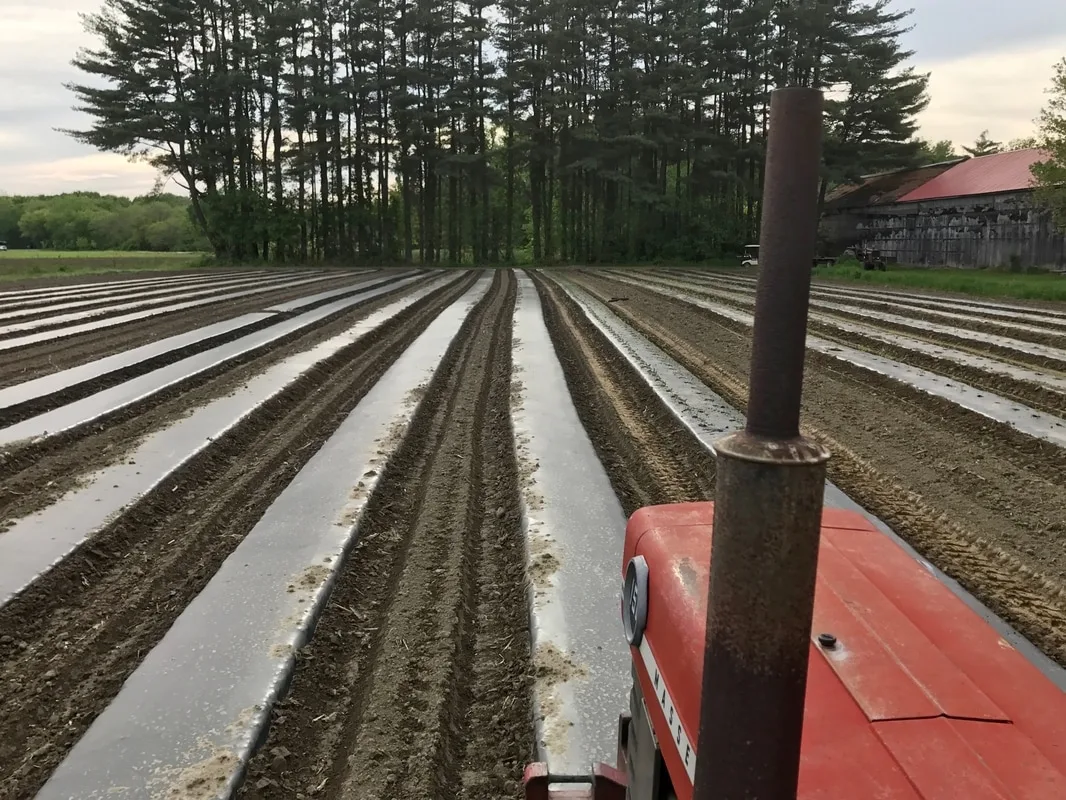
    Today, on this Memorial Day, I want to recognize a very dear person to my heart that is no longer with us, my grandfather Cory Bardwell. He was a proud U.S. Veteran and my mentor. 

    Cory was the last generation of Bardwell Farm, he was also my teacher, my mentor, and best friend in farming. On days like this my grandfather was a man who took a moment out of his day to stop and thank someone for their service. 

    From 1944 to 1946 he served in the Navy on the Seventh Amphibious Fleet of the USS Cleburne APA-73 Attack Transport Ship in the Pacific Theater. 

    My Grandfather was a leader with a great heart and soul. He’s done so much good in this world and inspired me to pursue agriculture. He taught me how to plant seeds in the soil and nurture them to maturity.  He gives me strength to never give up and always keep trying in everything I do. I love him and miss him dearly.

    From all of us here at Bardwell farm, thank you to those who are serving this great country and those who have passed. 


    For more Homegrown News subscribe to my newsletter!

    Like or Tweet this article to a friend by clicking the badges below. Thank you for your support.
  • Published on

    Plastic Mulching & Planting

    Ever wonder why farmers use black plastic in their fields? We explain here!

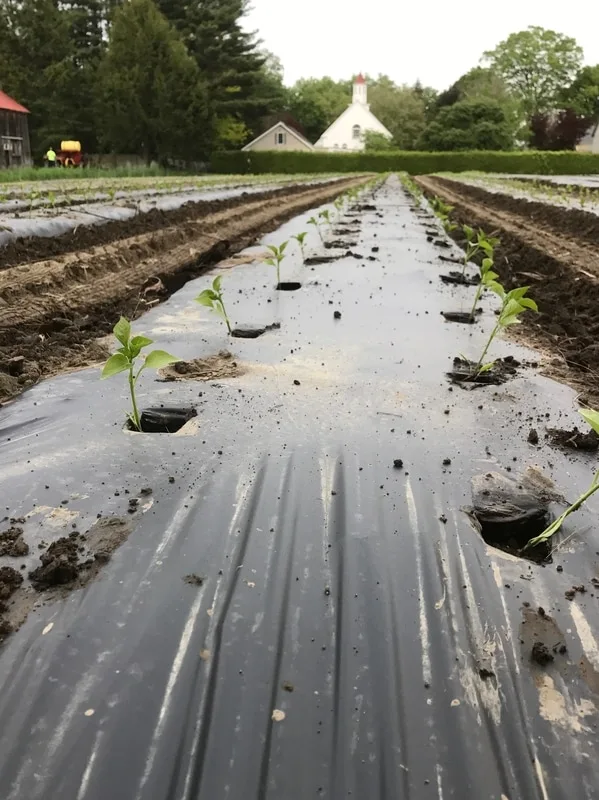
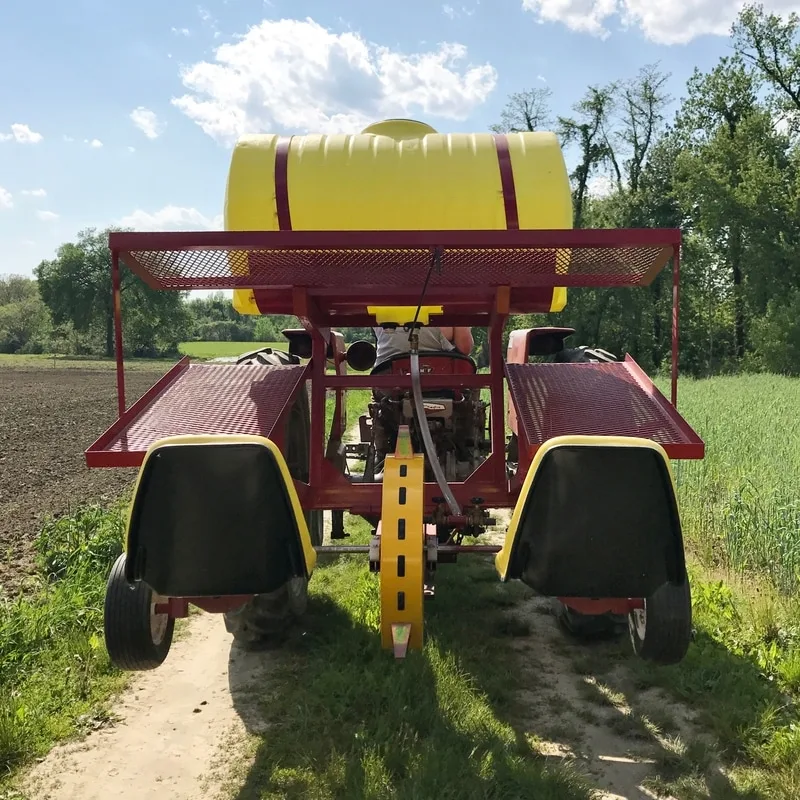
    Plastic mulch is a product used in a similar way to conventional mulch, to suppress weeds and conserve water in crop production.
    Picture
    Seeds benefit from this method because you can plant earlier in the season. The plastic creates a humidity chamber and helps speed along the germination process.

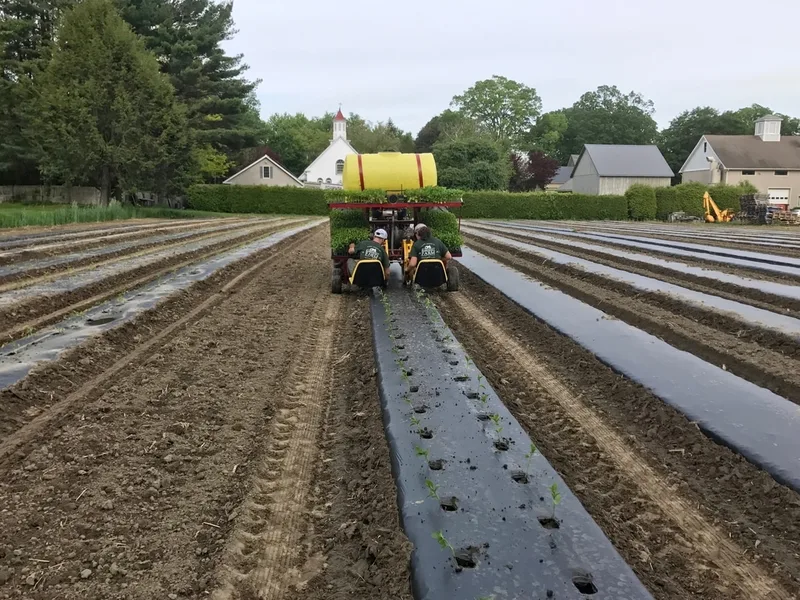
    Under the plastic, drip tape is laid in the center of the raised bed to irrigate the crop. The raised beds helps with irrigation by preventing the seedling's roots from sitting in water.  

    Because plastic mulching acts as a greenhouse for the soil it generates higher yields and more production.

    Weed control is another benefit of plastic mulching, more moisture and nutrients go to the crop, as well as saving time in field maintenance. 
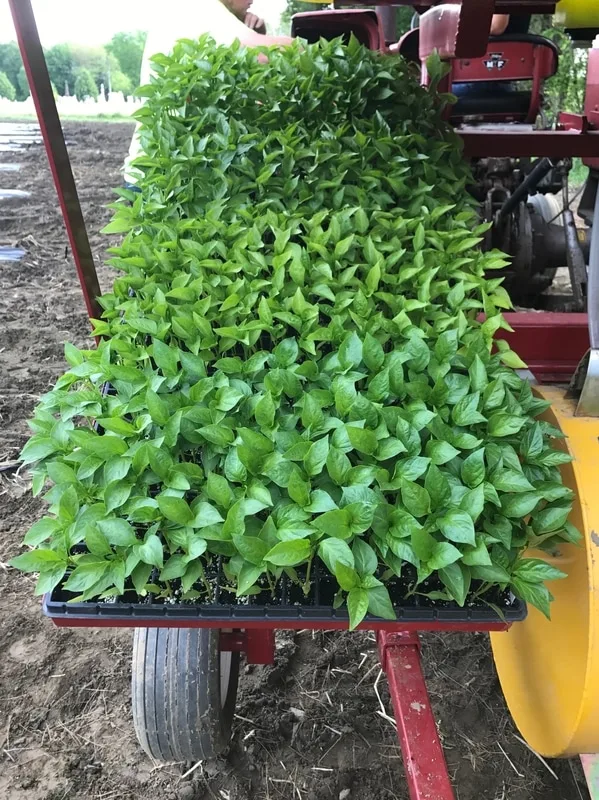
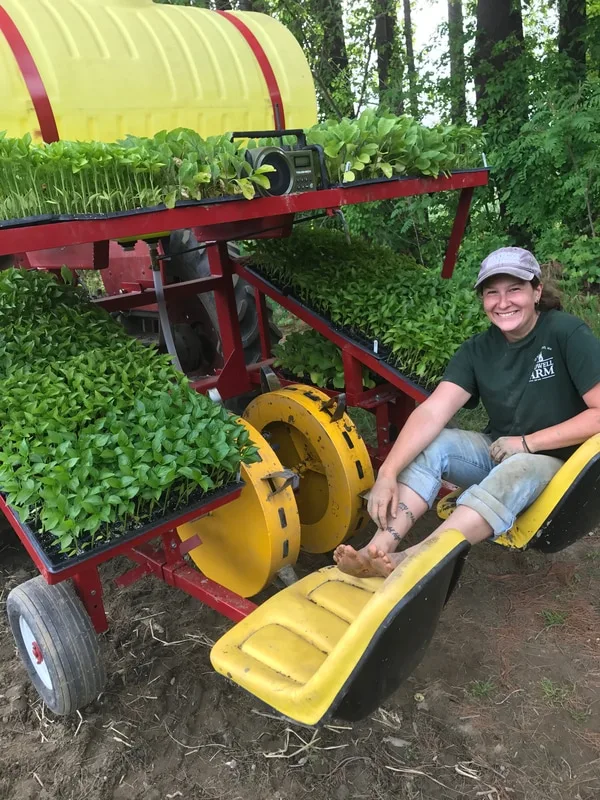
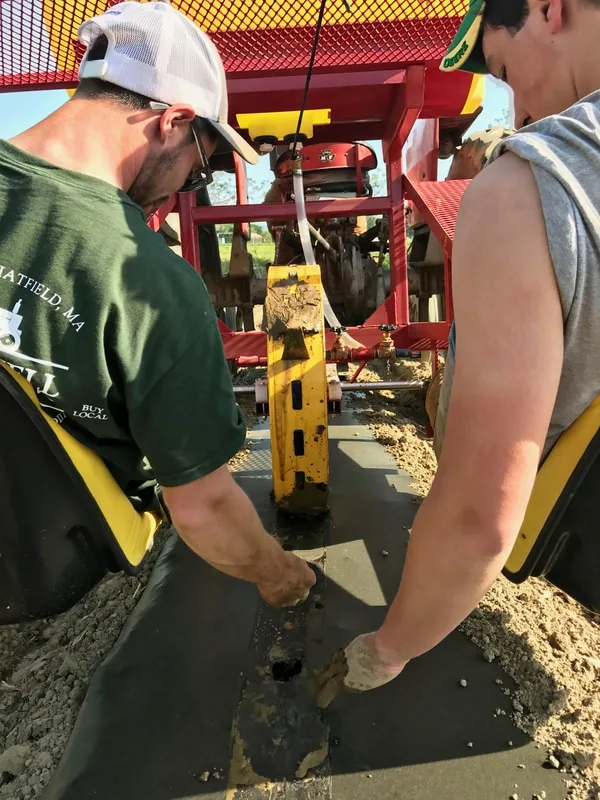
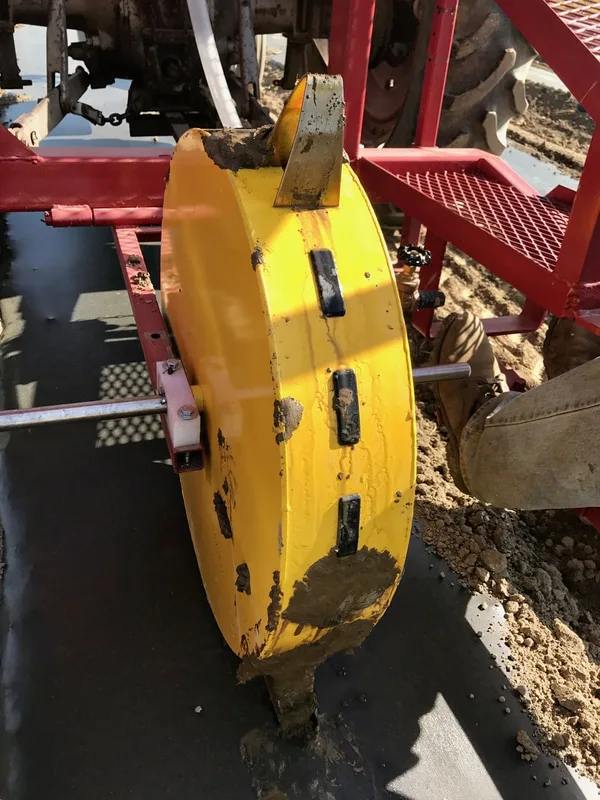
    After the plastic mulch is laid we use a plastic transplanter. This piece of equipment cuts through plastic into the raised bed and creates a plug for the seeds or seedlings. 
    Picture
    It has a center wheel with spikes that can be adjusted for different spaced plugs. It also has a hose that can deliver water and or fertilizer before the plant goes into the plug.
    When planting, one person drives the tractor, one person drops the seed or seedling into the plug and the other covers.
    For more Homegrown News subscribe to my newsletter!

    Like or Tweet this article to a friend by clicking the badges below. Thank you for your support.

  • Published on

    Bardwell Farm T-Shirts & Hoodies

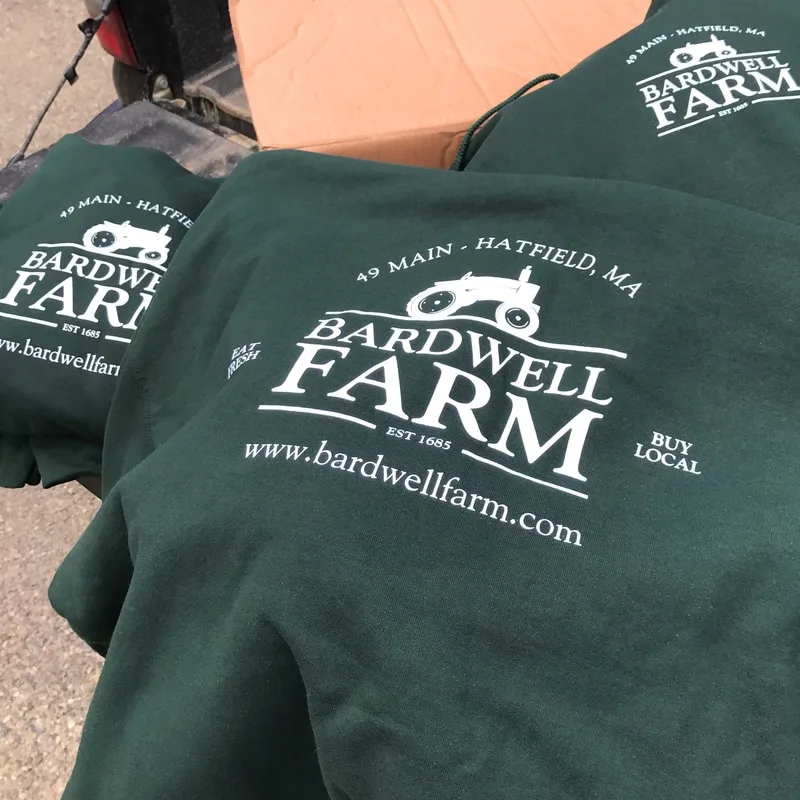
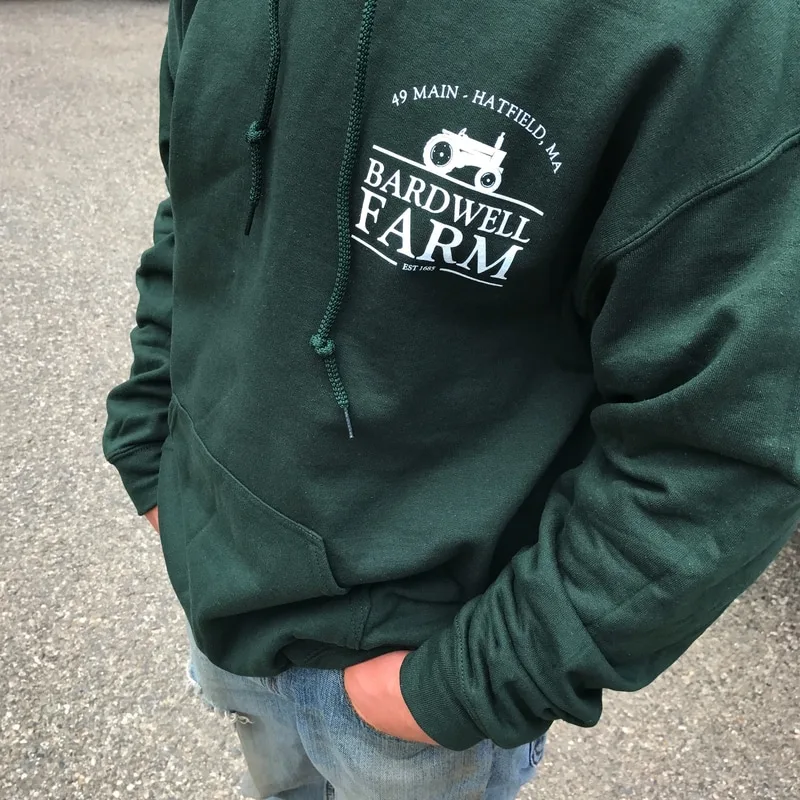
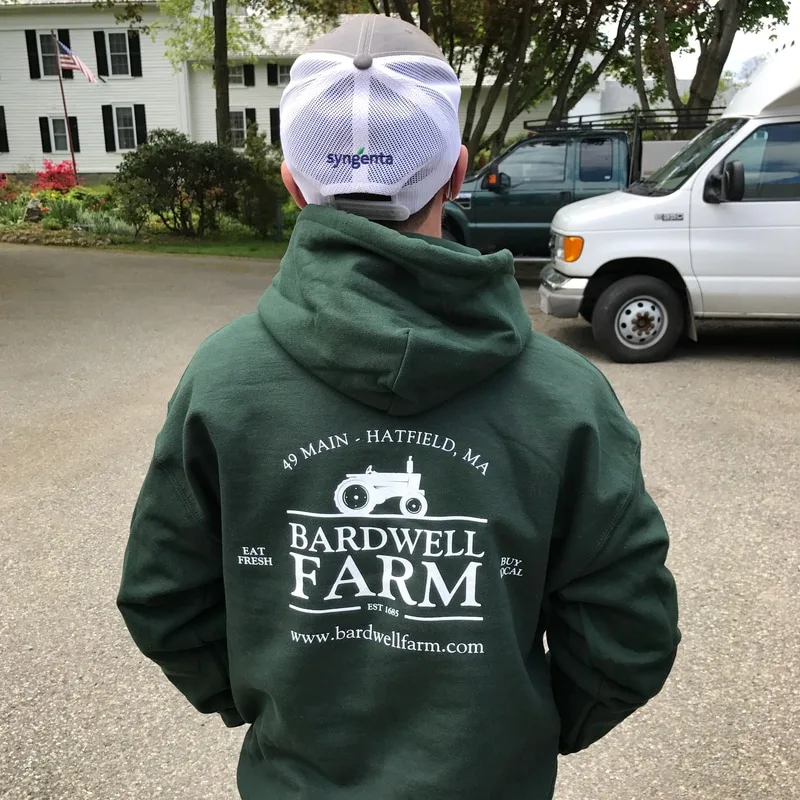
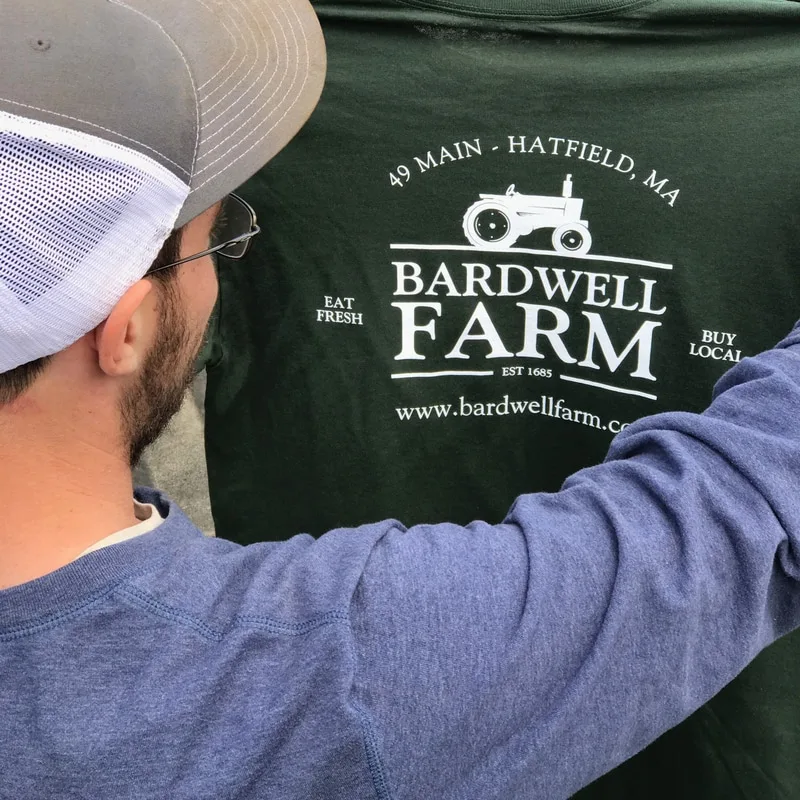
    BREAKING HOMEGROWN NEWS! We just received our official Bardwell Farm t-shirt and hoodie order hot off the press and they came out awesome!

    If you are interested in purchasing Bardwell Farm gear we setup an order page at the button link below! 

    Note: We have to reach a minimum quantity before we can order the next batch. So go ahead, place your order and we'll be in touch when the minimum is reached.

    Thank you for your support!
    For more Homegrown News subscribe to my newsletter!

    Like or Tweet this article to a friend by clicking the badges below. Thank you for your support.
  • Published on

    Picking The Grass

    Every spring you drive by our farmstand with bunches of perfectly bound asparagus soaking in a tub of water and maybe you've wondered how it got there. Well, wonder no more :)

    ​Here's a little behind the scenes of how we pick the grass!
    For more Homegrown News subscribe to my newsletter!

    Like or Tweet this article to a friend by clicking the badges below. Thank you for your support.