• Published on

    5 Reasons You'll Love Our Farm

    We're Local
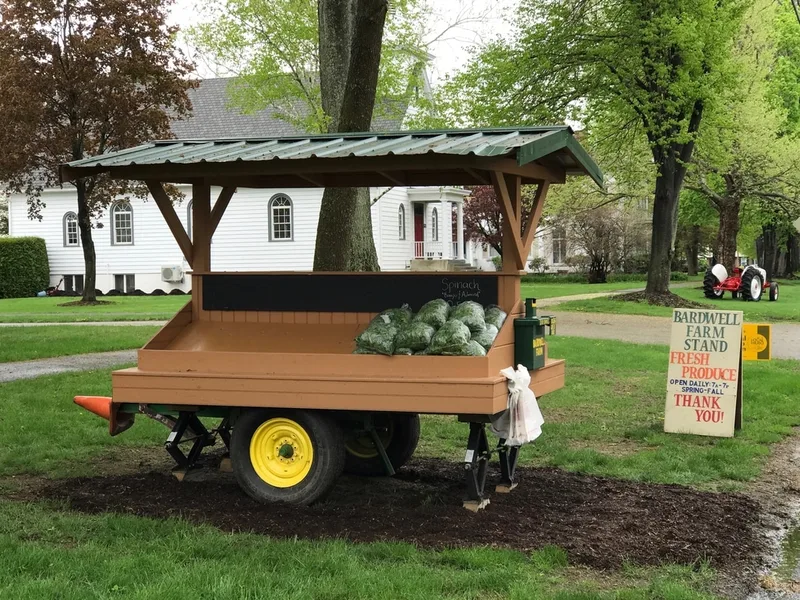
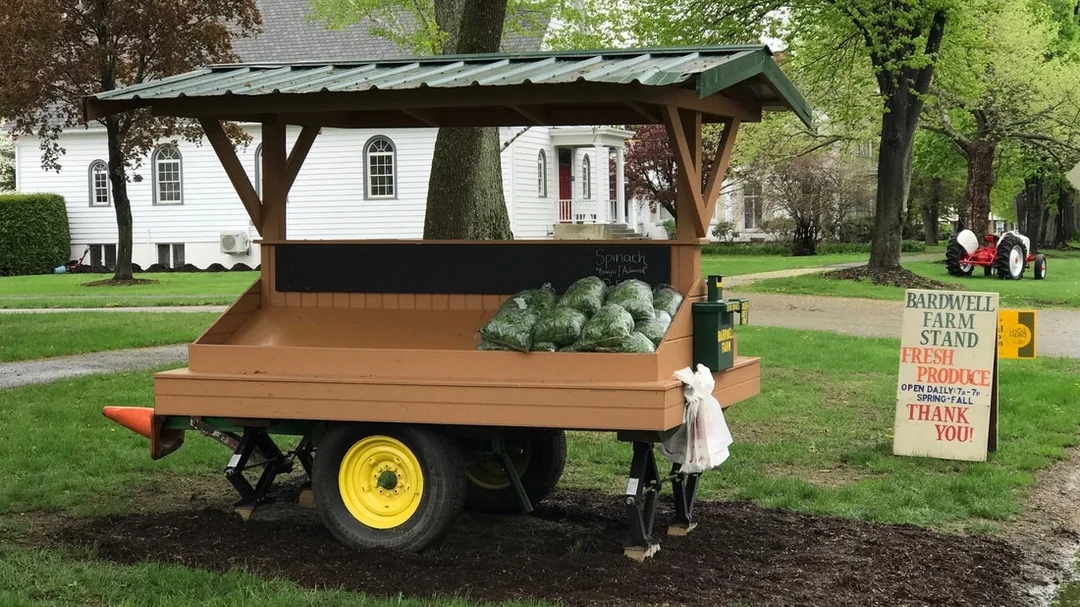
    Bardwell Farm is just a stone's throw from Northampton, Whately, Deerfield and South Deerfield and we're easy to get to! Our farmstand is located on Hatfield's historic Main Street, just a few houses from the town hall, you can’t miss the old style farmhouse and the Bardwell Farm sign. Because we are located on Main Street and we are just off the sidewalk, historic Hatfield is a great place to walk any time of day. Park your car, grab a food bag, walk up and down town and stop at the farmstand before you head home!

    We're Fresh
    We pick our veggies fresh in the morning and afternoon. Chances are what you are purchasing could be a couple of hours to minutes old, now that's fresh! Everything is washed with cold, clean water to ensure you are getting a crisp product throughout the whole day. 

    We’re Diverse
    We offer a variety of vegetables, fruits, and decorative products from May through November. From fresh asparagus and spinach in the spring, to blueberries, strawberries, cucumbers, tomatoes, peppers, and sweet corn in the summer. And, you can’t forget our autumn offerings of pumpkins, squashes, and cornstalks! We are proud to have a diverse seasonal selection.

    Sustainability
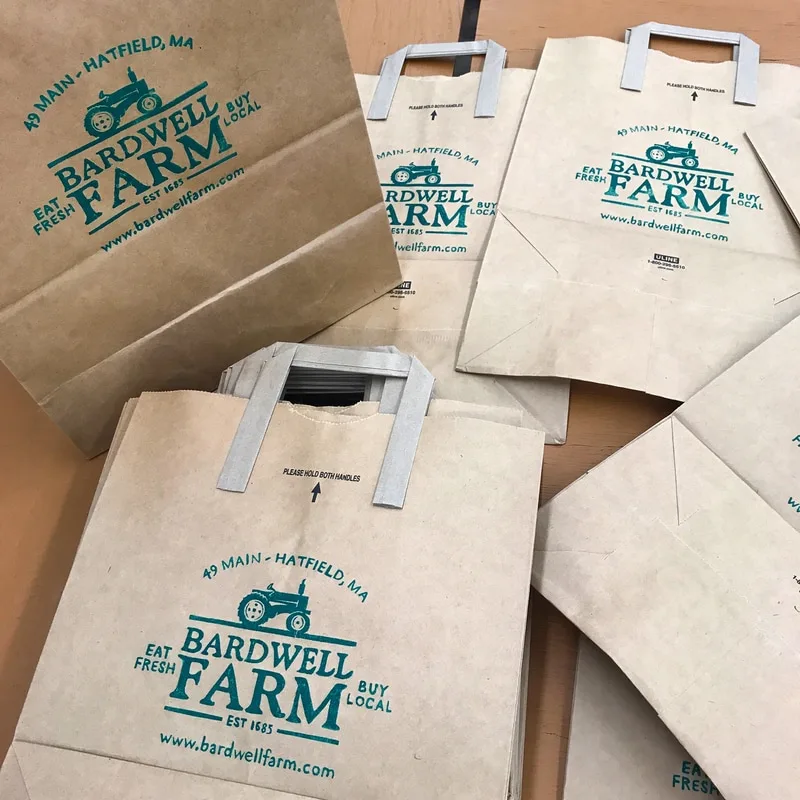
    Here at Bardwell Farm we take care of our fields and soil. We constantly maintain our soil to create a thriving environment for crops. We always look for ways to be more green, such as limiting use of tractors in our fields and adding 100% recycled bags to our farmstand. We believe in sustainable food for a more sustainable earth.

    We Care
    We are a small business and care about our customers. Every decision we make is about you. We take time to listen to what you have to say. We put quality over quantity. From the greenhouse to the fields, and harvesting to the farmstand, we take great pride in what we do. We are committed to providing you a fresh, high-quality product, with a high nutritional value, and unmatched customer service. We are a small farm with a BIG heart!

    Picture
    For more Homegrown News subscribe to my newsletter!

    Like or Tweet this article to a friend by clicking the badges below. Thank you for your support.
  • Published on

    What is CISA?

    Image description
    Bardwell Farm is a proud member of CISA!

    So many people have asked me what CISA is and actually does. 
    Community Involved in Sustaining Agriculture (CISA) strengthens farms and engages the community to build the local food economy.

    CISA is a non-profit organization. They began their work more than 20 years ago, and thousands of people in our region have contributed to their success and impact. More than 250 farms participate in their programs, and the number of residents who are committed to supporting local agriculture grows every day. Their Be a Local Hero, Buy Locally Grown® program, the longest-running agricultural buy-local campaign in the country, connects farmers and the community, improving farm business viability and enhancing the quality of life for residents across the region. Additional programs include Senior FarmShare, technical assistance for farms and food businesses, and research and support for local food and farm businesses of all kinds, including processors, distributors, and producers of value-added products like jams, cheeses, and pickles.
    Recent initiatives include CISA’s Emergency Farm Fund, significant expansion of their work in Hampden County, and support for the creation of the PVGrows Community Investment Fund, a project of the collaborative PVGrows Network.

    Guided by a new Strategic Plan, in 2015-2017 CISA will strengthen it's work by...
    • Strengthening the network of farmers and other businesses in the local food economy
    • Building staff capacity and skills in working across, race, class and other differences to ensure that CISA’s programs reflects the needs of all members of the community
    • Helping define how local agriculture can play a positive role in stemming the impacts of climate change
    • Supporting the adoption of more sustainable labor and environmental practices throughout the local food economy

    CISA is successful only because of the people they have inspired and those who have inspired them. Please join us as we deepen our connections to each other and create a community that is economically and environmentally healthy for our children and our children’s children.

    Related:
    For more Homegrown News subscribe to my newsletter!

    Like or Tweet this article to a friend by clicking the badges below. Thank you for your support.

  • Published on

    5 Reasons To Eat Fresh & Buy Local

    Eat fresh and buy local, we see it printed on boxes, bags, blogs and trucks, it's even on all of our merchandise, but do you know what it really means? There are many reasons why you should buy locally grown produce. It’s good for you, me, our community and the world. Here are the top 5!

    Eat Fresh
    Local produce is fresher and tastes better because it is usually picked and sold within 6 to 12 hours. Local fruits and vegetables have longer to ripen because they don’t have to travel long distances. When you buy produce at a grocery store, it may have traveled thousands of miles and been kept in storage for days or weeks.
    Picture

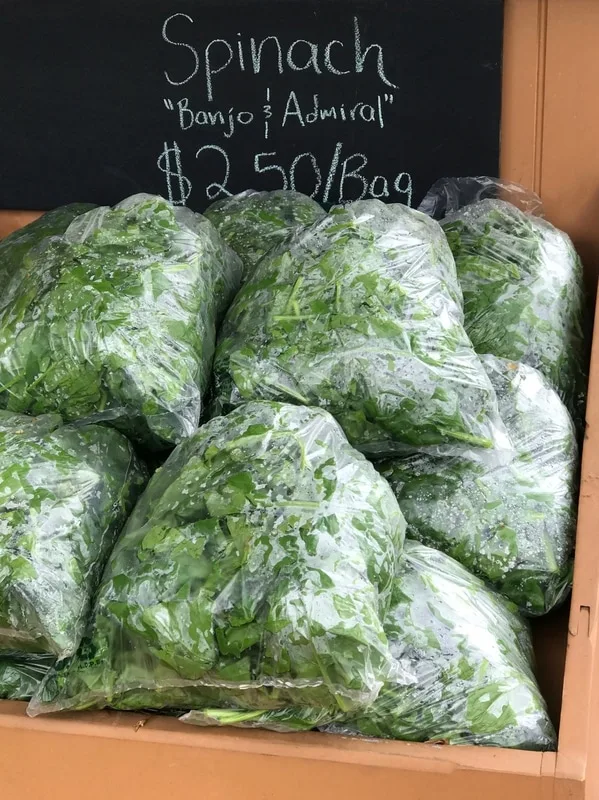
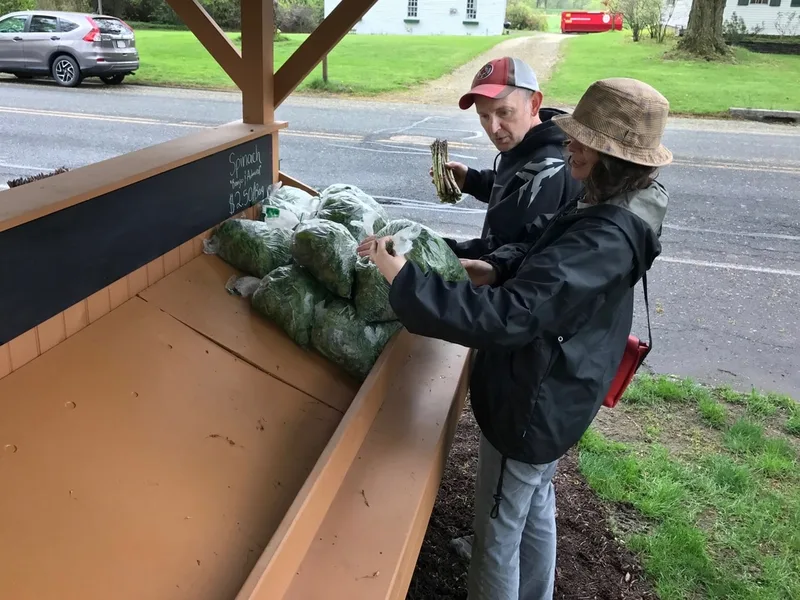
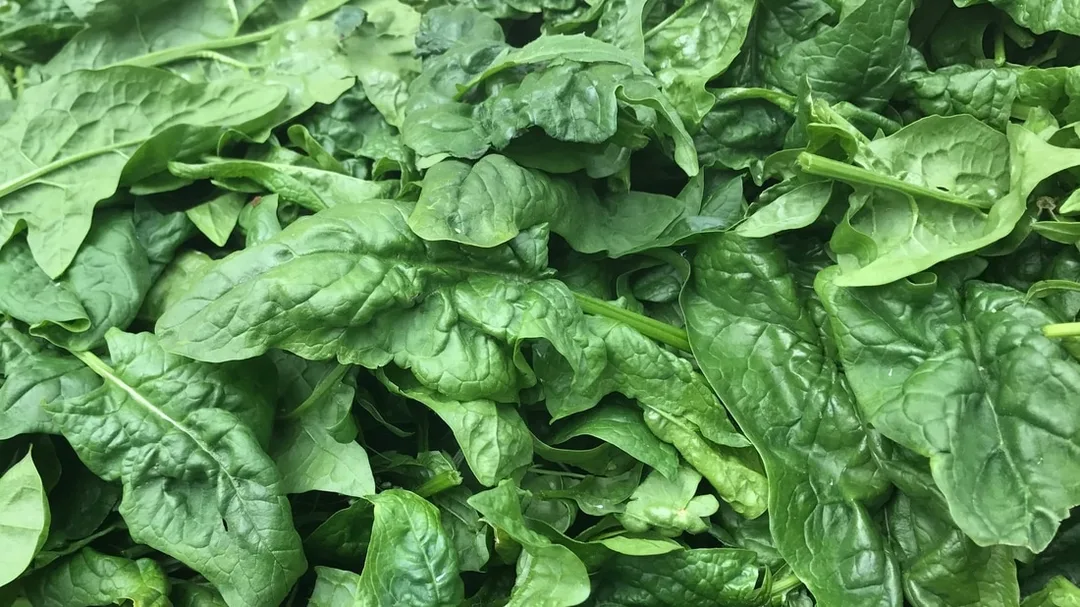
    Admiral and Banjo Spinach picked in the morning and just minutes old when this photo was taken, so sweet, crisp and green!

    Reduces Food Miles
    Food miles are the number of miles that food has to travel before it ends up on our plates. This can be thousands of miles as the product is shipped from the place where it is grown, to the processing plant, and eventually to it’s destination, before finally being sold and taken home. All of this consumes energy and puts a strain on our environment. Reducing food miles, reduces the carbon footprint. You are promoting better air quality and ultimately reducing pollution.

    Local Food Is Seasonal
    Buying local food keeps us in touch with the seasons. Not everything is available all year round, meaning what grows is the most abundant, least expensive and at its peak.

    Picture

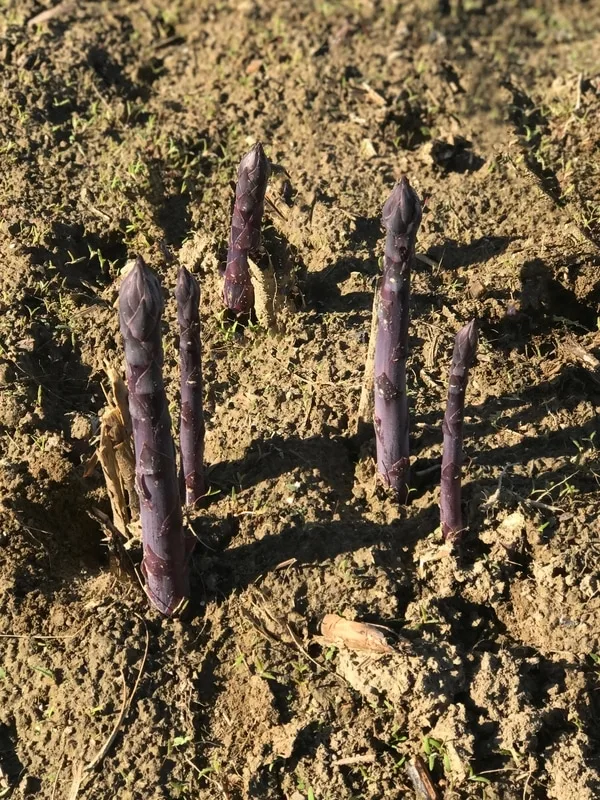
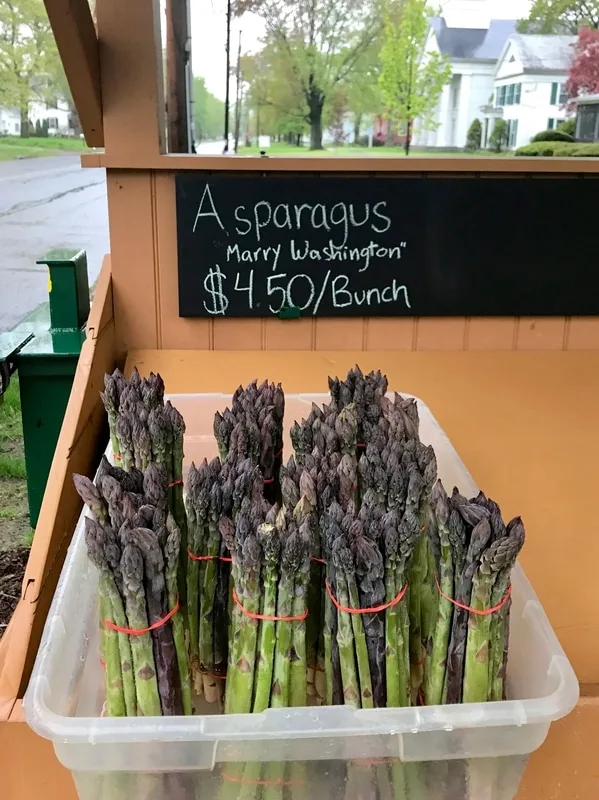
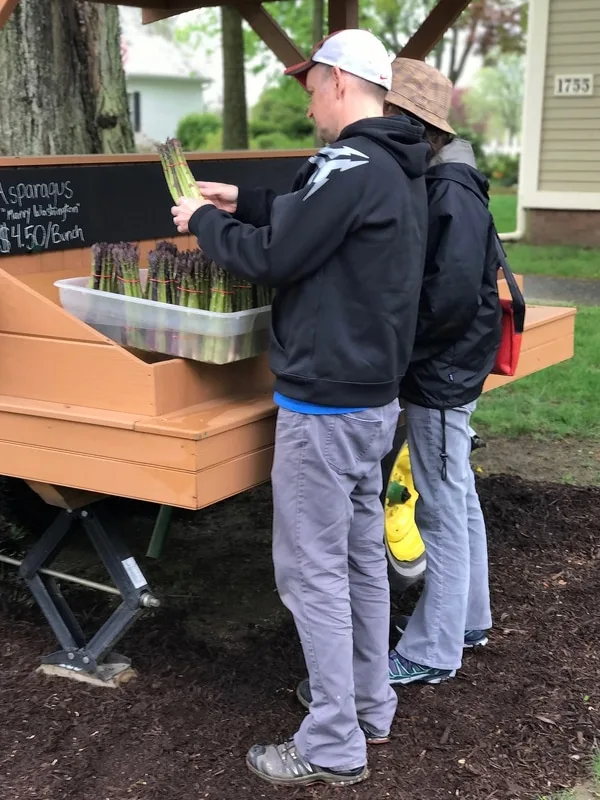
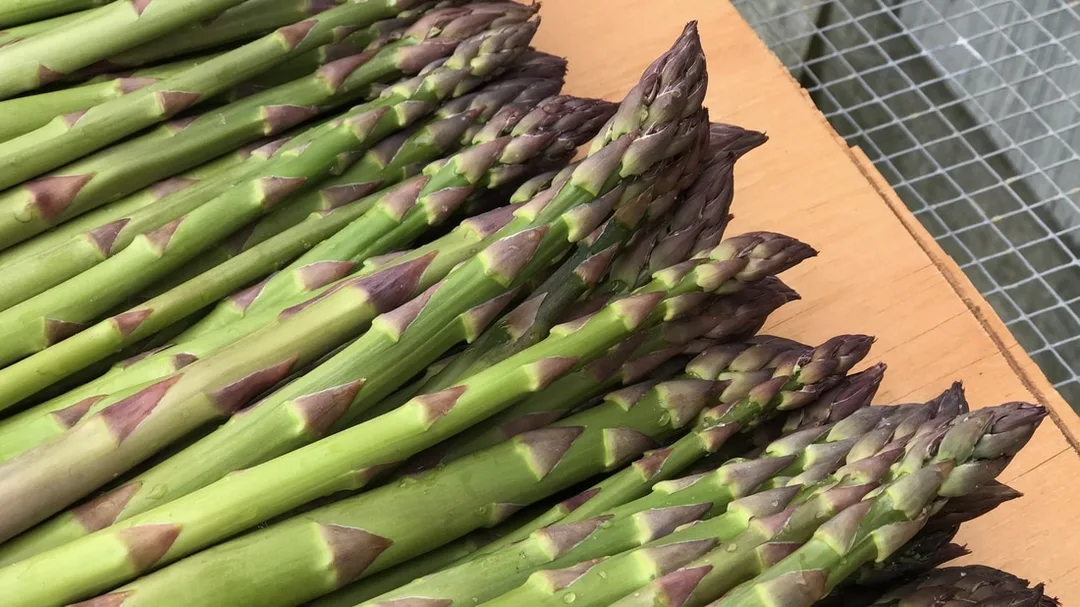
    We pick our Marry Washington Asparagus spring through early summer!

    Local Food Is Social
    Buying local improves our social community. When we buy local foods, we create a more intimate relationship with the people who grow our food because they’re our neighbors. Know your food, know your farmer.

    Buy Local
    Another real benefit of buying local food and products is that it supports local business. This benefits the community as a whole. Money stays within the community and every dollar spent generates twice as much income for the local economy.


    For more Homegrown News subscribe to my newsletter!

    Like or Tweet this article to a friend by clicking the badges below. Thank you for your support. 
  • Published on

    Week In Pictures: 7 Days Out

    Picture

    Opening day, May 6th!

    I promised more behind-the-scenes and I kept my word! This edition of a Week In Pictures features seven days leading up until our farmstand opening.
    Between school, finishing my website and social media goals, and getting the farm up-to-speed in time for opening has been incredibly challenging. At same time though, I can't believe how rewarding it has been.
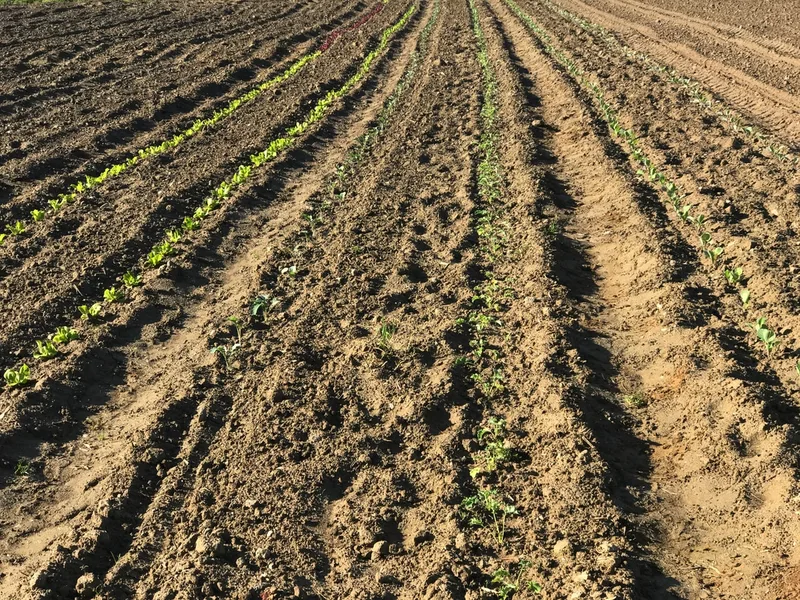
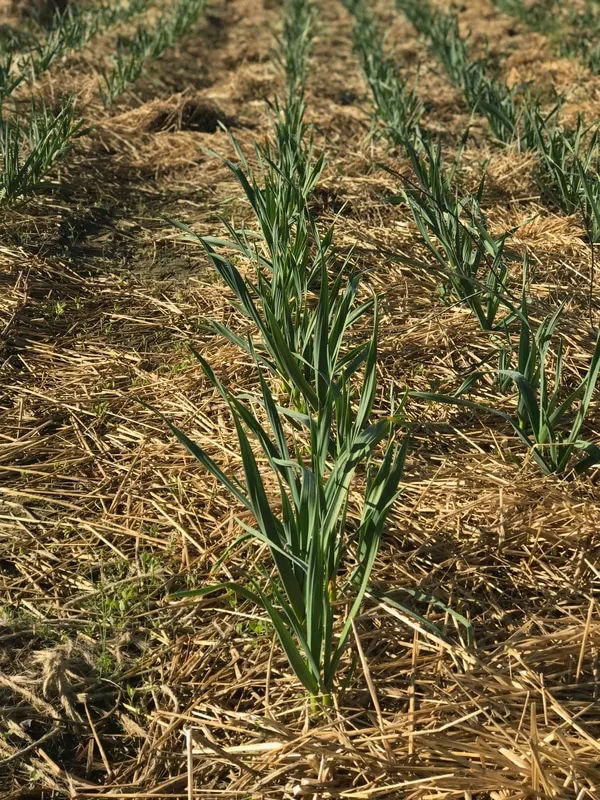
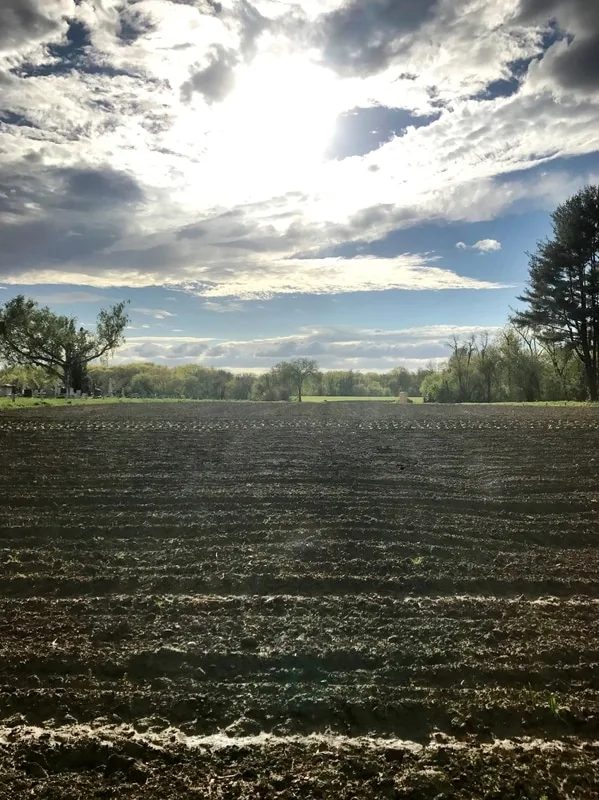
    This is the field and property fruit and veggie round-up! Everything is coming along nicely and well on its way.
    When you look back, it's crazy how much you can accomplish in one week.
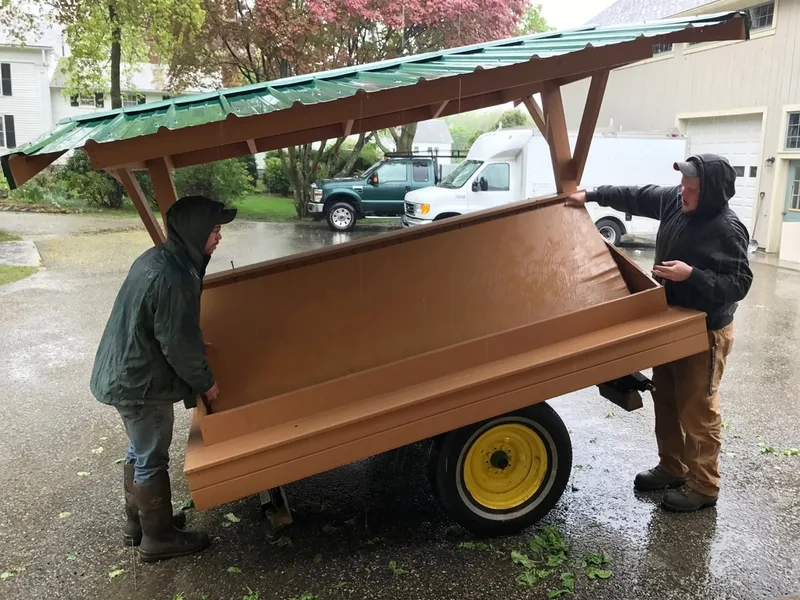
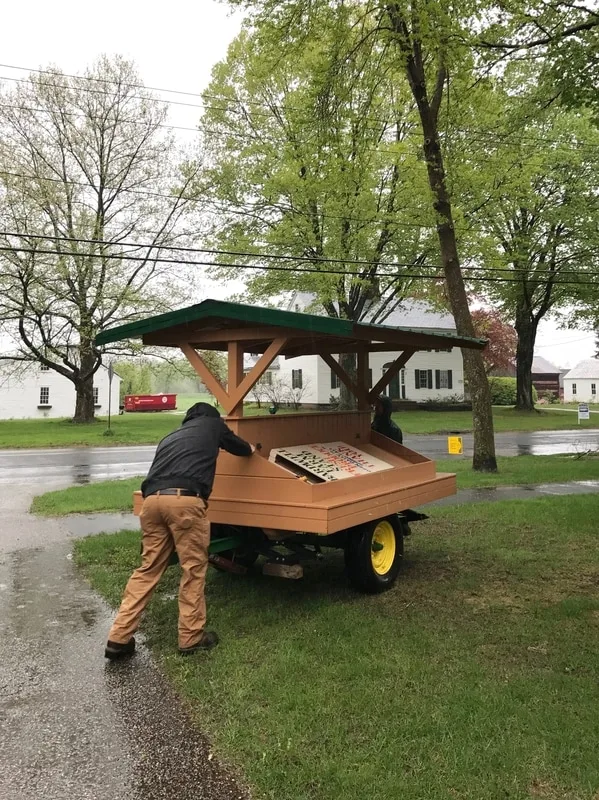
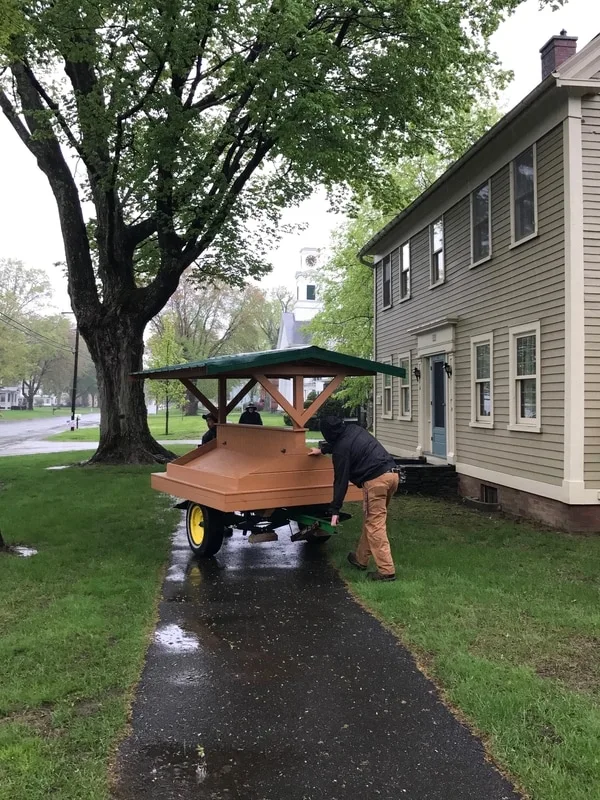
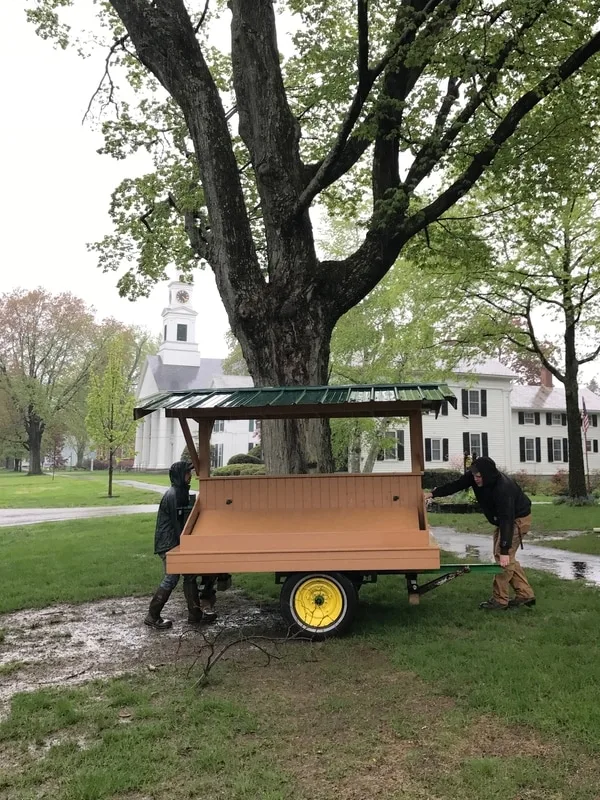
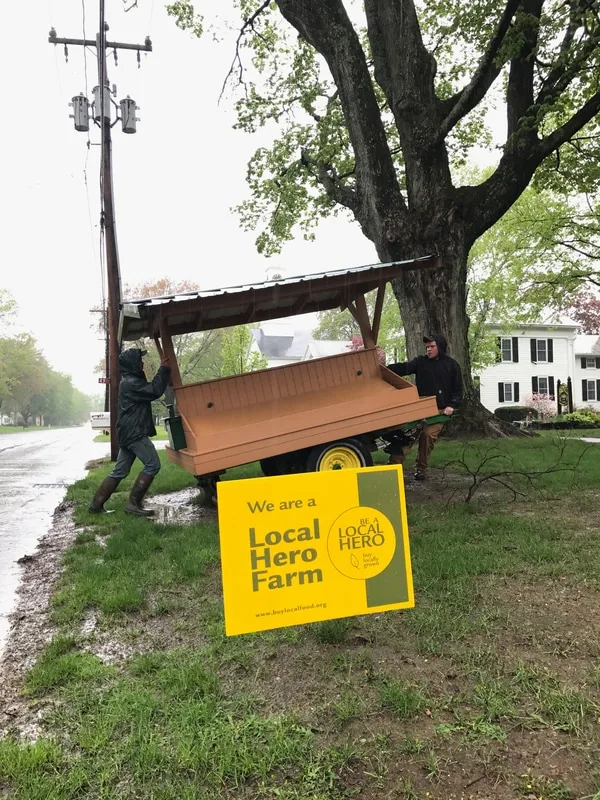
    Friday night it poured! My buddy Barrett stopped by to help me put together the stand, wheel it to the road, and spread mulch so it wouldn't get to muddy for the customers. It takes a village, thanks Barrett!
    I want to personally want to thank each and every one of you who stopped by for our opening day. All the love and support has been amazing, I feel thankful. Here's to season 2017!

    ​For more Homegrown News subscribe to my newsletter!


    Like or Tweet this article to a friend by clicking the badges below. Thank you for your support.
  • Published on

    Growing Asparagus

    Asparagus is a perennial crop that when planted, and maintained properly, can give decades of production. Planting asparagus is not a quick and easy task. It takes years to establish and many hours in the field watching over the tender plants.  

    Asparagus isn't grown like normal seed or plant put into the ground. They grow from crowns and since they are a perennial crop, they generate growth year after year.
    This is how we build our beds...

    1. Grow the roots by seed: We decided to grow the roots ourselves instead of purchasing one year old roots already grown. It’s extra work and a lot of care, but it saves money. The only down side is that it adds an extra year to full production time.


    2. Digging roots in the spring: If you remember, a few weeks ago, I posted to Instagram, the crew and I digging asparagus roots from a field to be planted. This was done by undercutting under the root system and pulling them up with a rake. It’s was a long, but fun process!

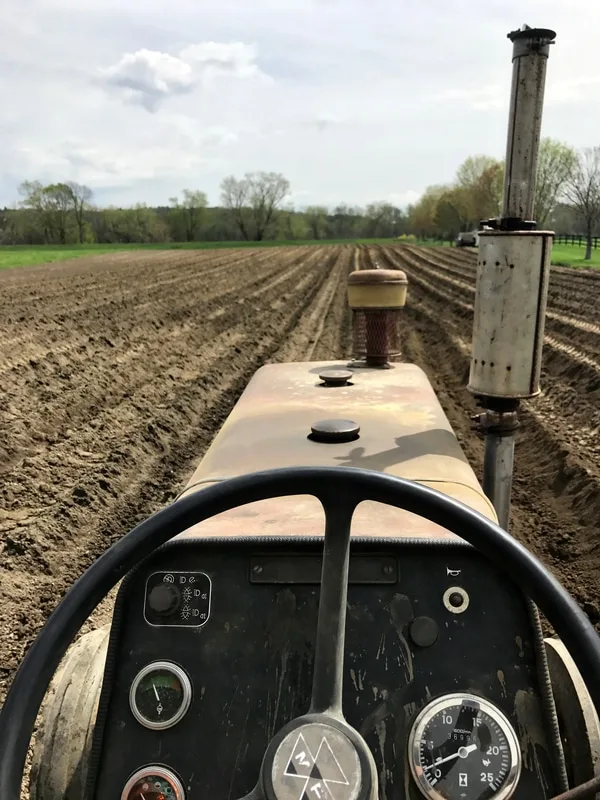
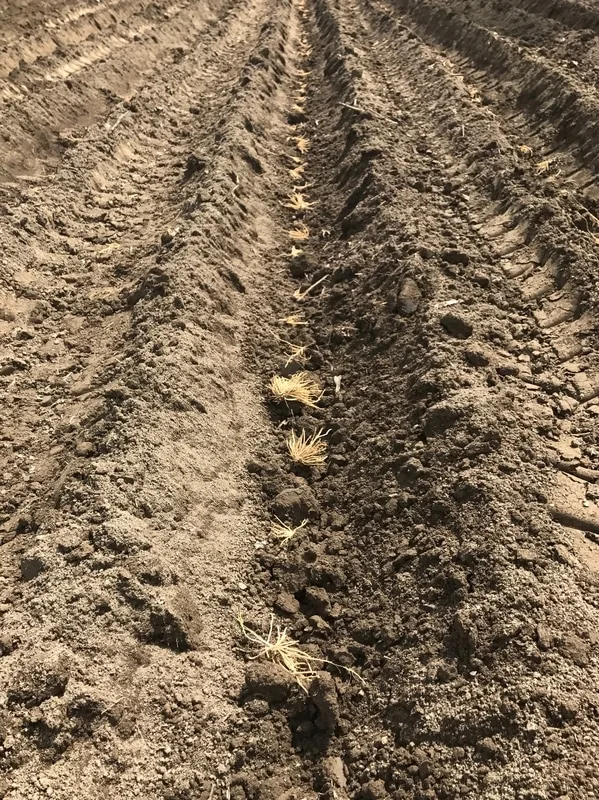
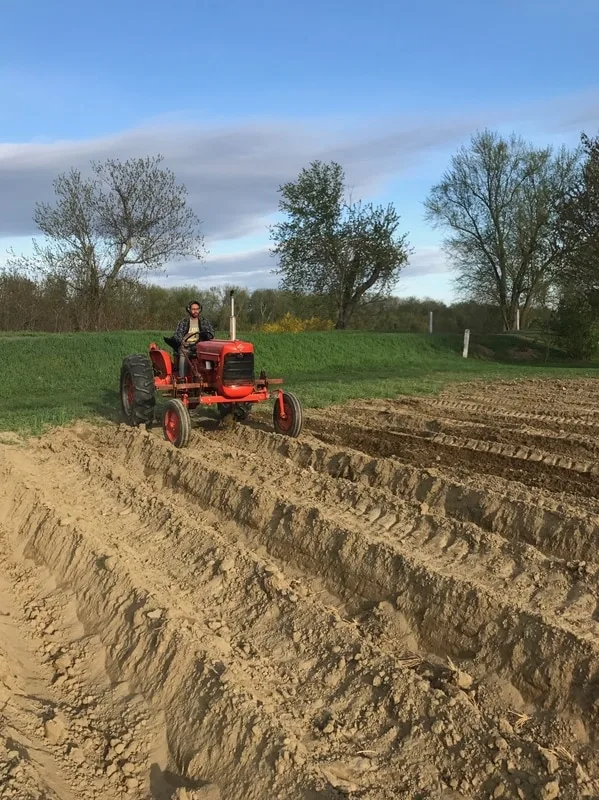
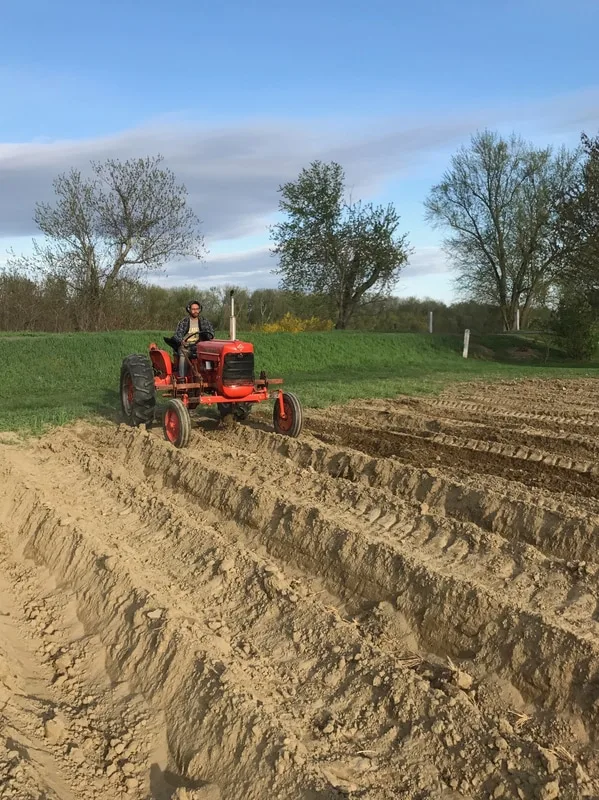
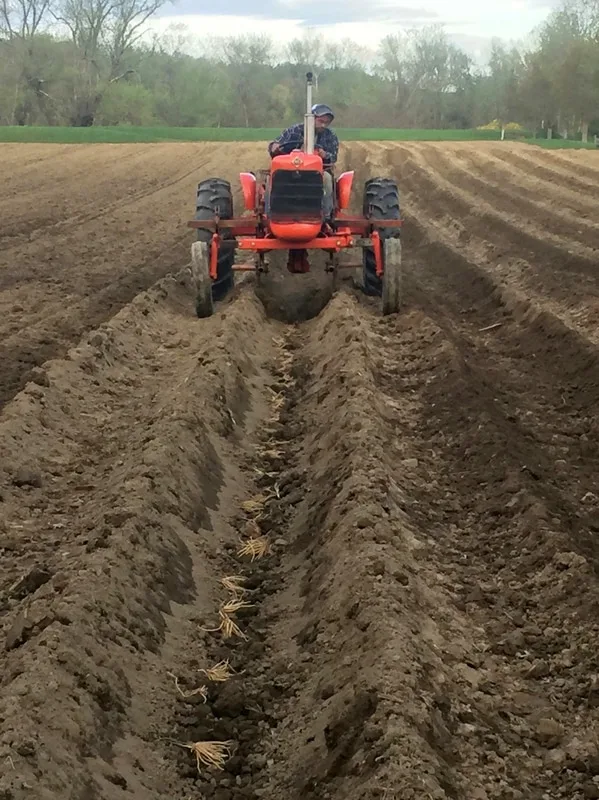
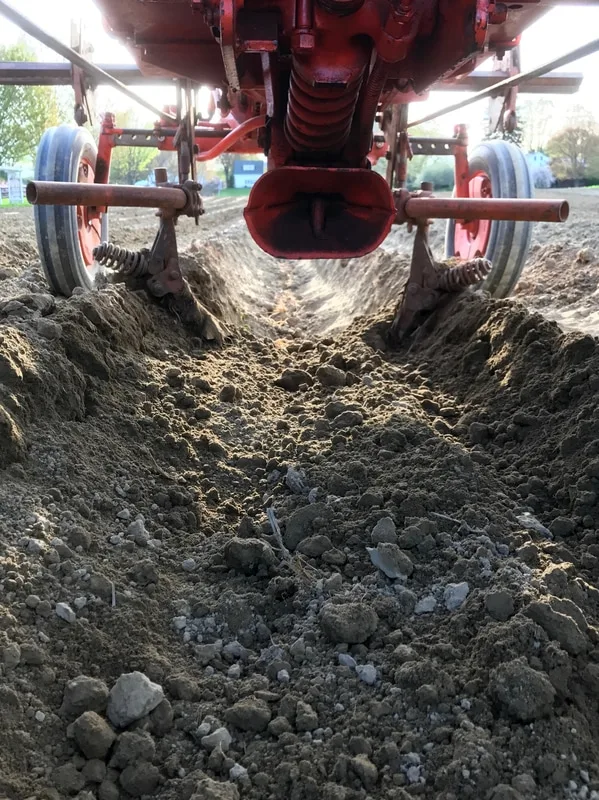
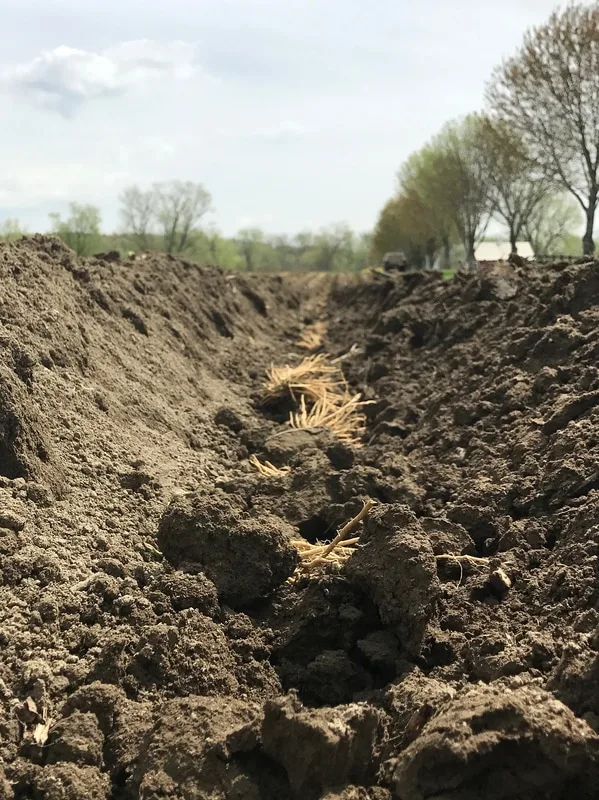
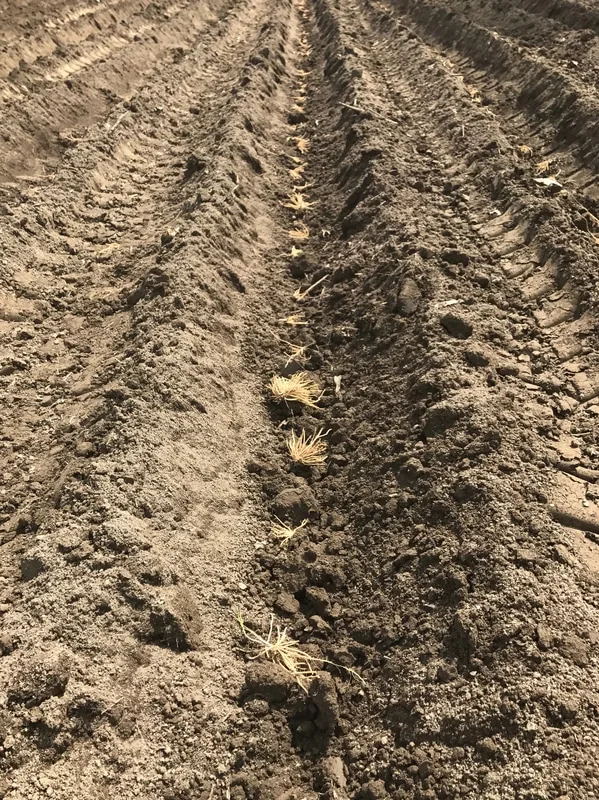
    3. Next-up is prepping the field for planting. We did our normal subsoiling, plowing, and bed shaping of the field. The next step is a little out of the ordinary. We trenched rows for the asparagus crowns. It’s very important that asparagus is planted about 8 to 12” deep in the soil. This is accomplished by using a trencher, to dig deep furrows into the soil so we can lay roots into.

    4. Planting the crowns: We space them about a foot or so apart, in the trenches, with the crowns facing up. 

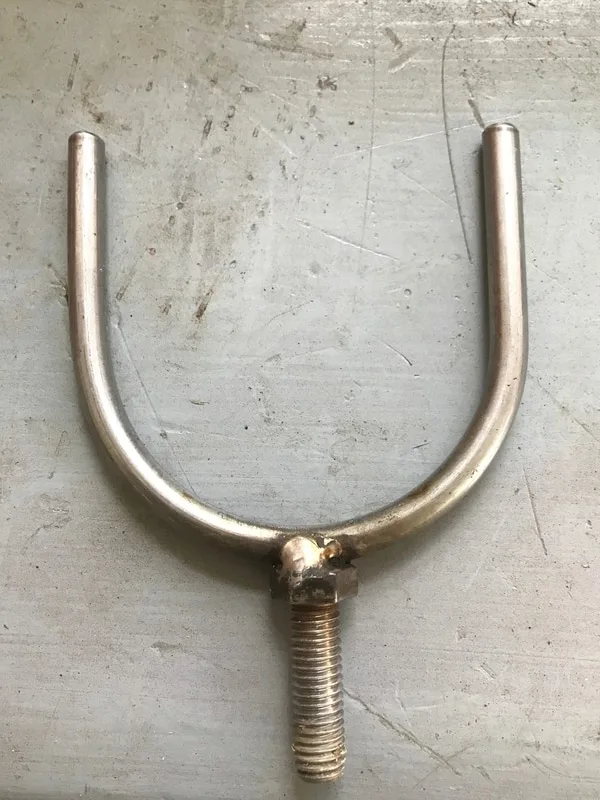
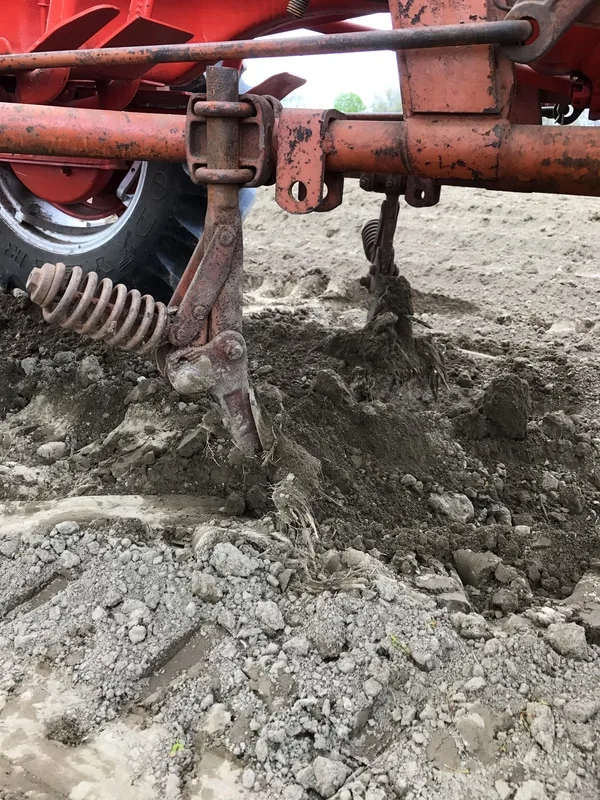
    5. After we have the roots set in the ground they must be covered with about 1 to 2” of top soil. It is very important that you do not cover the roots with all the soil that was trenched-out for it will smother their growth. We mustered-up a new system with the cultivators and tractor to make the job a bit easier and more efficient. 

    6. Next we will fertilize and monitor pH, asparagus requires a pH of about 6.8 to 7.0.

    7. After we receive a development of new asparagus ferns we have to slowly keep filling in the trenches as they grow until we are back up at an even ground level. This also helps with weed control as well.

    From this point, the process takes a good 4 years to see full production. 

    The next time you are enjoying this favorite springtime crop you now know how much TLC goes into the creation of this plant. Please spread the word and thanks for listening!

    Related:


    For more Homegrown News subscribe to my newsletter!

    Like or Tweet this article to a friend by clicking the badges below. Thank you for your support.
  • Published on

    Up your salad game!

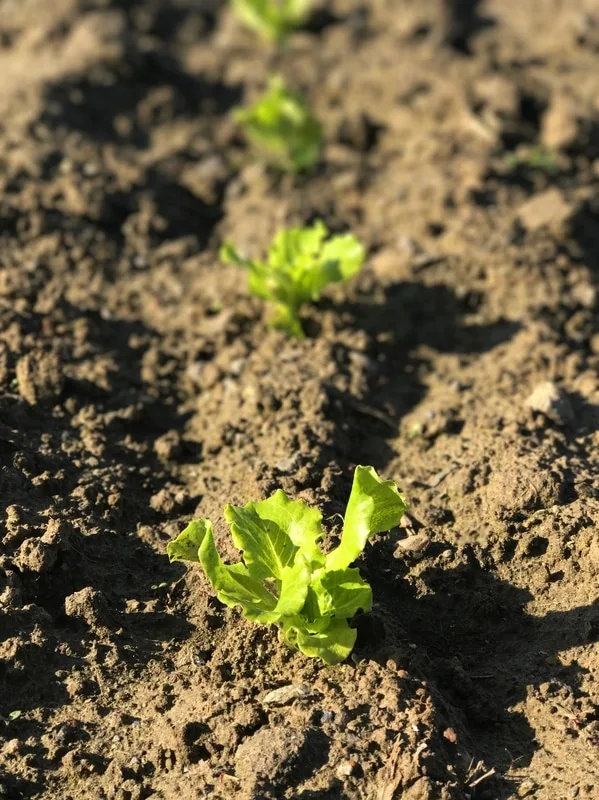
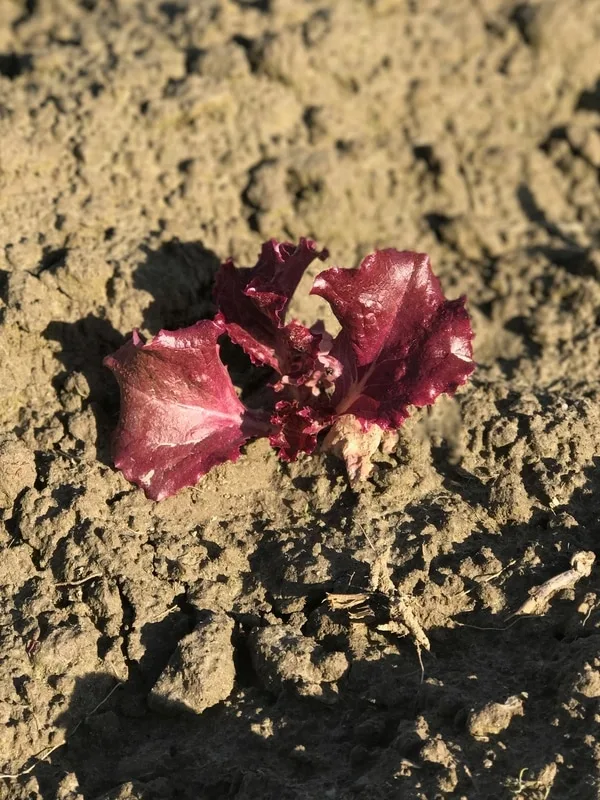
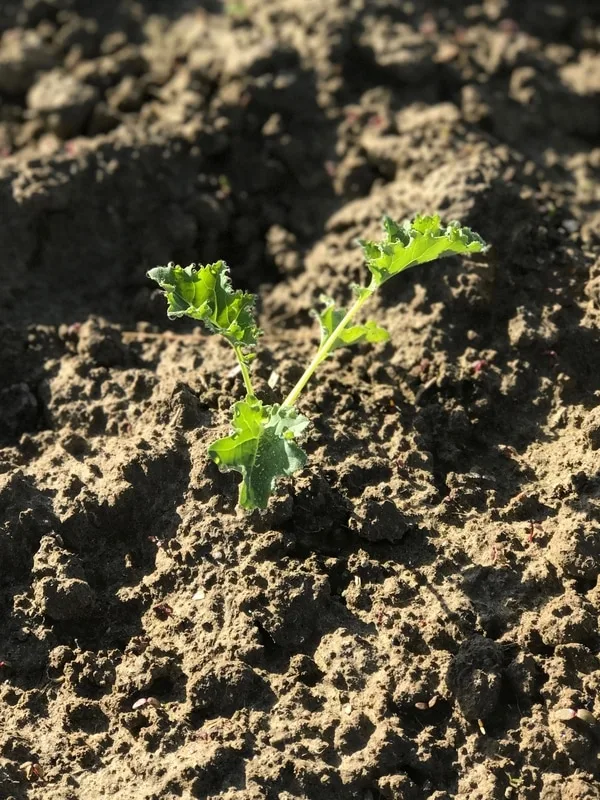
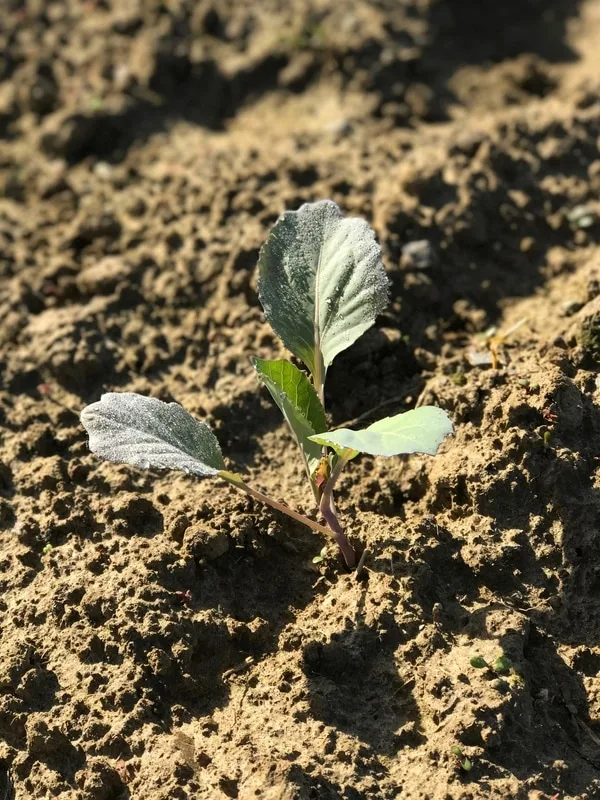
    It's time to up your salad game! The farmstand will be overflowing with a variety of leafy greens for you to choose from like spinach, kale, chard, romaine, red leaf, green leaf and bibb, just to name a few.
    If you love iceberg lettuce and you're still on the fence about adding a different kind of leafy green to your shopping list, May is the month to try something new!

    Why eat leafy greens?
    One, because they are so good for you! Greens contain almost no calories. You can eat these in volume, so there is lots to munch on. Their sodium content is almost nil. They contain about a gram of carbs, maybe two, barely a gram of protein and about a gram of fiber per cup. 

    The darker greens, like spinach, romaine, and leaf lettuce, contain more of certain nutrients, including vitamin A and other carotenoids, vitamin C and potassium, over the iceberg variety. Greens like arugula, collard greens, kale, mustard greens and turnip greens, also contain these nutrients, along with other potentially cancer-preventing compounds, called isothiocyanates and indoles, unique to these types of vegetables.

    Iceberg vs Leafy Greens
    For many years "iceberg" was the most popular lettuce at the family dinner table. Romaine and leaf lettuces (green leaf, red leaf, butter and bibb), are now the most consumed, followed by spinach. Collard greens, escarole, kale, mustard greens, chard, and turnip greens, are consumed much less, but people now are realizing the health benefits and the potential in the kitchen.

    Tips:
    • Explore new greens, such as spinach, chard, kale, escarole and watercress, what do you have to lose! Add more color and nutrition with radishes, beets, peppers and carrots.
    • If you are a stickler for iceberg lettuce, try mingling in some darker green lettuces. Start with the mild flavors like spinach, red leaf, or bibb. who knows you may find a new favorite!
    • Cut up a few days worth of healthy salad toppers like cucumbers, asparagus, red or green cabbage, peppers, tomatoes, and carrots. Have them at the ready for easy snack or salads in minutes.
    • Enjoy entree salads as a healthy dinner, or a means to use up leftover veggies from the week.
    • Add texture, crunch, and chew with ingredients like nuts, seeds, apples, olives, raisins, dried cranberries, wheat germ or flax.
    • Make your own salad dressings! Can't stress this enough. Blend a healthy oil and your favorite vinegar, herbs, spices and garlic in a food processor or try some of the dressings we make on the farm at the link below. Use in moderation and don't drown your food. Taste the leafy green goodness!

    Related:
    For more Homegrown News subscribe to my newsletter!

    Like or Tweet this article to a friend by clicking the badges below. Thank you for your support.