• Published on

    EARTH DAY 2018

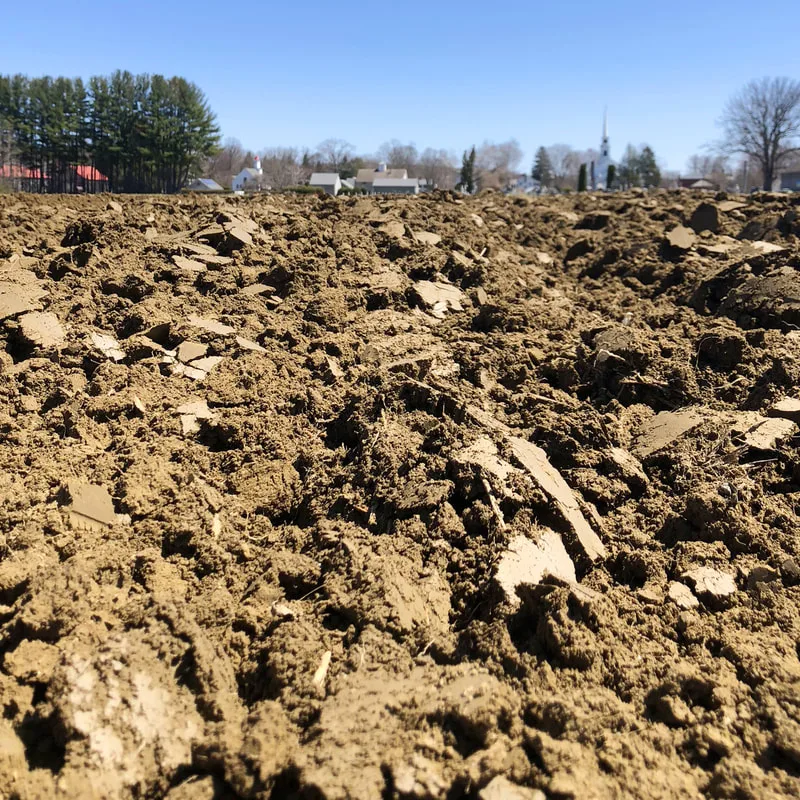
    ​Today we celebrate Earth Day, but it shouldn't be the only day of the year we acknowledge the big blue marble we live on. Now more than ever It is an every day fight for it's health and protection. The very soil we live and grow our food on is at risk and we need it now more than ever. Without rich and fertile soil, clean air and water, our ecosystem becomes nonexistent. We have to do more.   

    Millions and millions of people will be taking part in local events to demonstrate why they care about the environment and why it's so important to be a voice in this cause. My wish is to celebrate all yearlong so that our children's children have an Earth to farm, to picnic, walk barefoot in the grass, and enjoy what we have so taken advantage of. Please take a moment today to realize how important Mother Earth is to us.

    How will you celebrate Earth Day?
    Picture
  • Published on

    Surprise visit from 22News!

    Picture
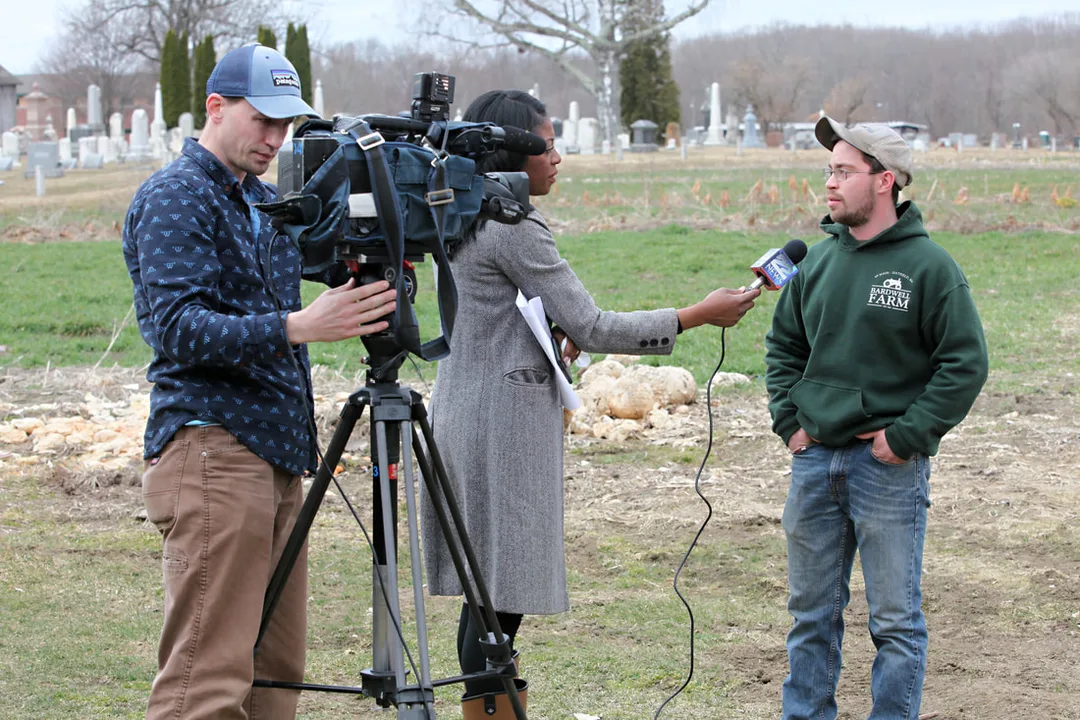
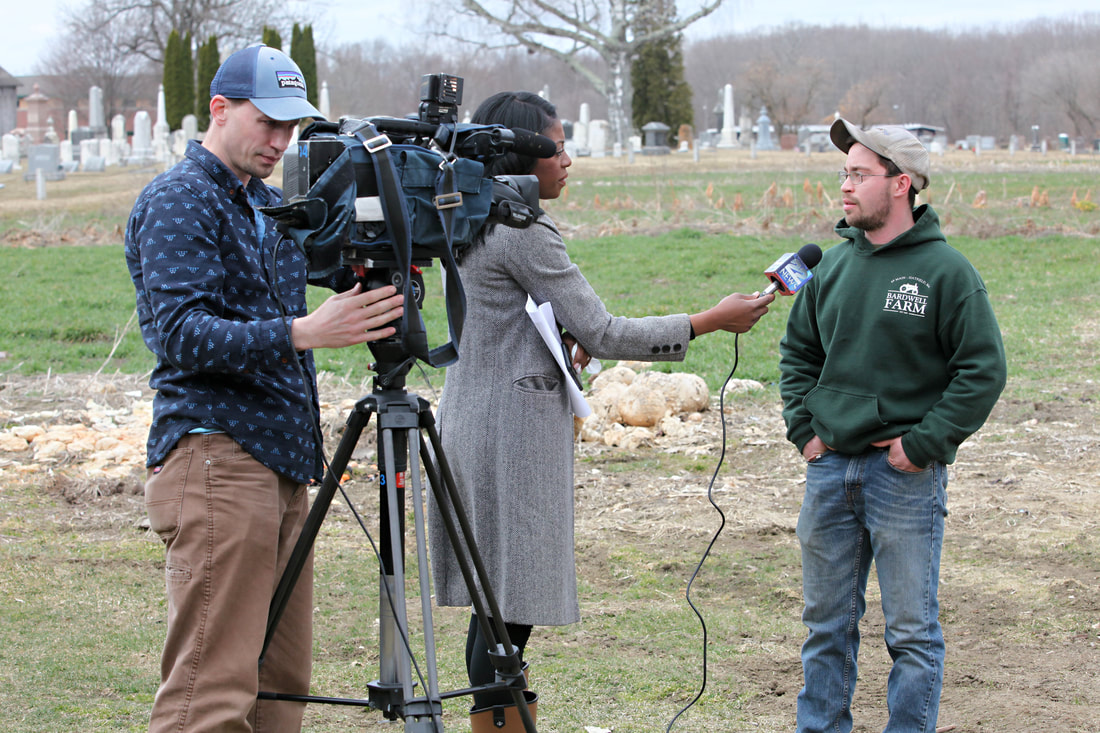
    ​March 30th we received a surprise visit from the WWLP TV22 News Team! Tashanea Whitlow and a camera man took a trip out to the farm to interview me along with several other farms who received the ACRE Grant. 

    The Agricultural Climate Resiliency & Efficiencies (ACRE) Program is a grant provided by the Massachusetts Department of Agricultural Resources (MDAR), a United States Department of Agriculture (USDA) organization that assists farmers with all sorts of environmental challenges and improvements. They also share their knowledge with farmers to help them implement new practices that impact the environment in a positive way. These resources also include grants such as the ACRE program.
    FULL INTERVIEW
    The ACRE grant was presented to farmers through MDAR to help impact the environment in a positive way by reducing greenhouse gasses through fossil fuels, tillage of the soil, and less inputs such as fertilizers, fuel, and pesticides farms rely on in a more conventional setting.

    Farmers were eligible to apply for items like no-till equipment, zone tillers, high residue spring cultivators, and spring systems, along with no-till planters and transplanters, which is what I mainly focused my proposal on. Other eligible items were improving irrigation equipment and systems by making them more efficient and environmentally friendly. Also, implementing solar power pumps for irrigation equipment and other farm related aspects. 

    We decided to explore how we could improve our soils for the longevity of the farm. We looked into no-till equipment. With many hours of research and time, and talking with companies, it was clear a no-till planter perfectly fit our operation. It was compatible with our goals of improving our soil, saving, and reducing fossil fuel use, and reducing our carbon footprint. 

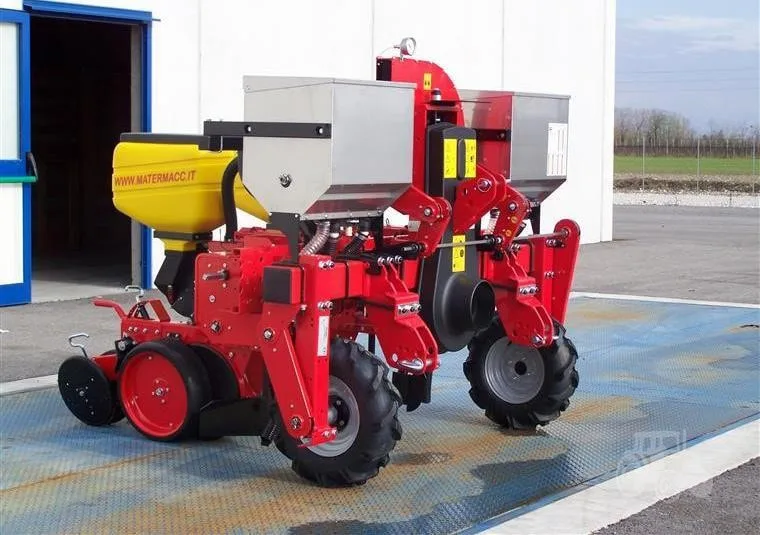
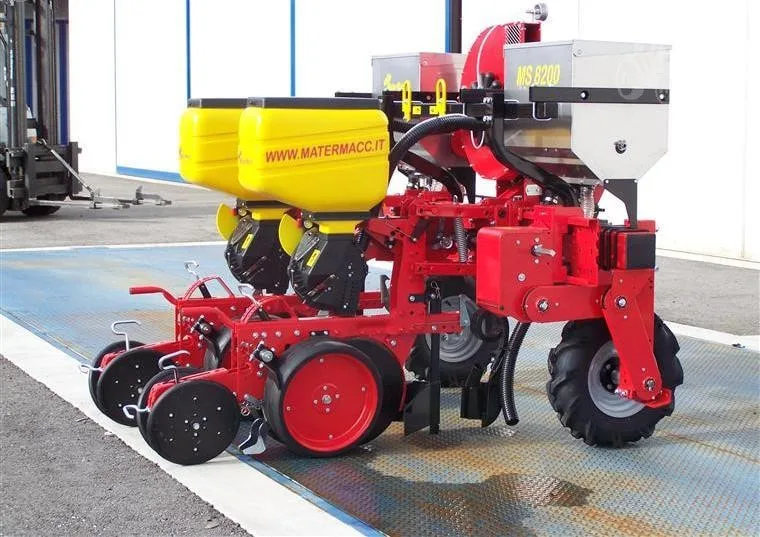
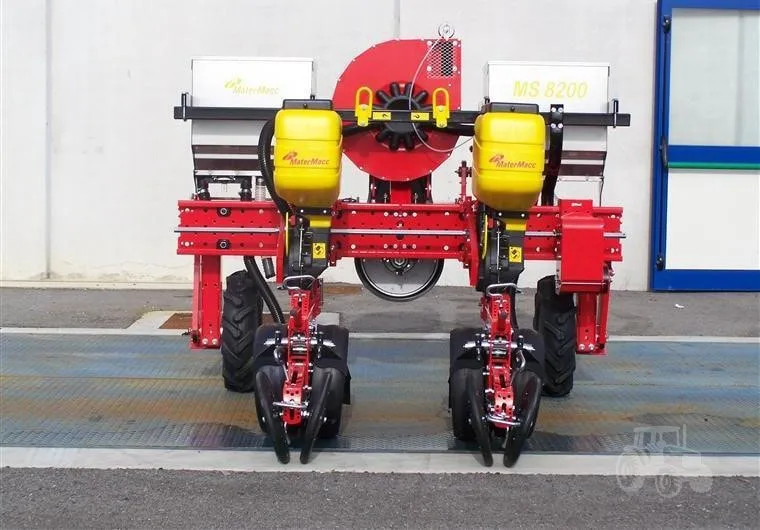
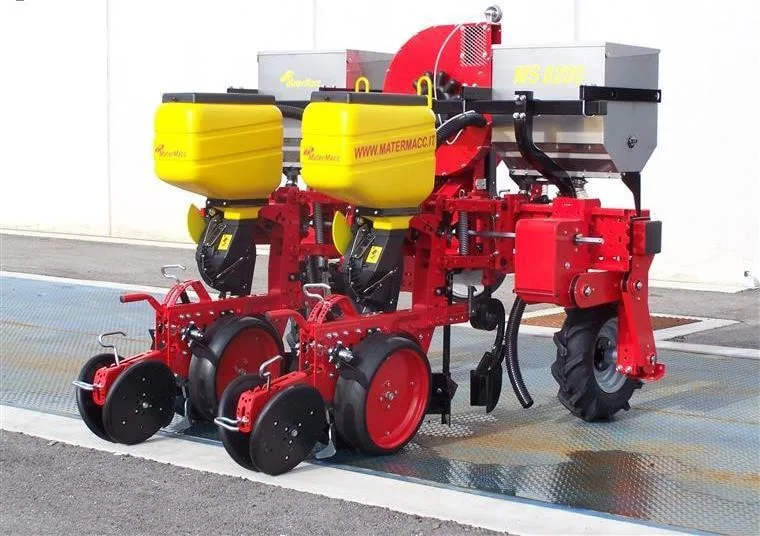
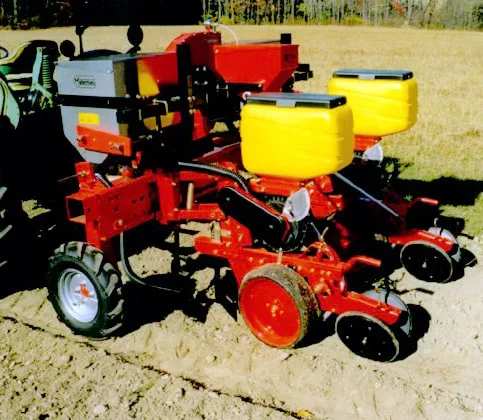
    Bardwell Farm was awarded $11,900.00 towards a MaterMacc 2 Row Vacuum Precision Planter with no-till options. The planter is perfect for our farm because it is designed to plant and space any sized seed, from as small as a carrot to as large as a pumpkin seed, with only one piece of equipment. This planter also is "vacuum" which means it will plant seeds exactly spaced in rows, in a width row I choose. The best part is that is designed for no-till planting and this is where the grant came into play.
    The planter is equipped with heavy duty coulters that cut through biomass on the soil's surface and is able to plant through cover crops without disturbing the soil. We project this will be a five year progression until we are really seeing a substantial difference in soil health, yield, and the health and quality of plants and vegetables produced. As they always say... good things take time!

    We are excited to implement this new equipment and feel good knowing we are having a better impact on our environment and producing a higher quality product!

    We want to thank WWLP TV22 News and the Daily Hampshire Gazette for taking the time to learn about what farms are doing in the area to help improve our environment and reduce greenhouse gasses. We also want to thank the USDA and MDAR for awarding us this grant and making all of this possible!

    Stay tuned as we start to make the switch to a no-till farming season!

    Related:
  • Published on

    The High Tunnel Project: Part 2

    We have battled more winter weather since we last left-off, the snow wasn't too bad but the wind sure gave us a beating.

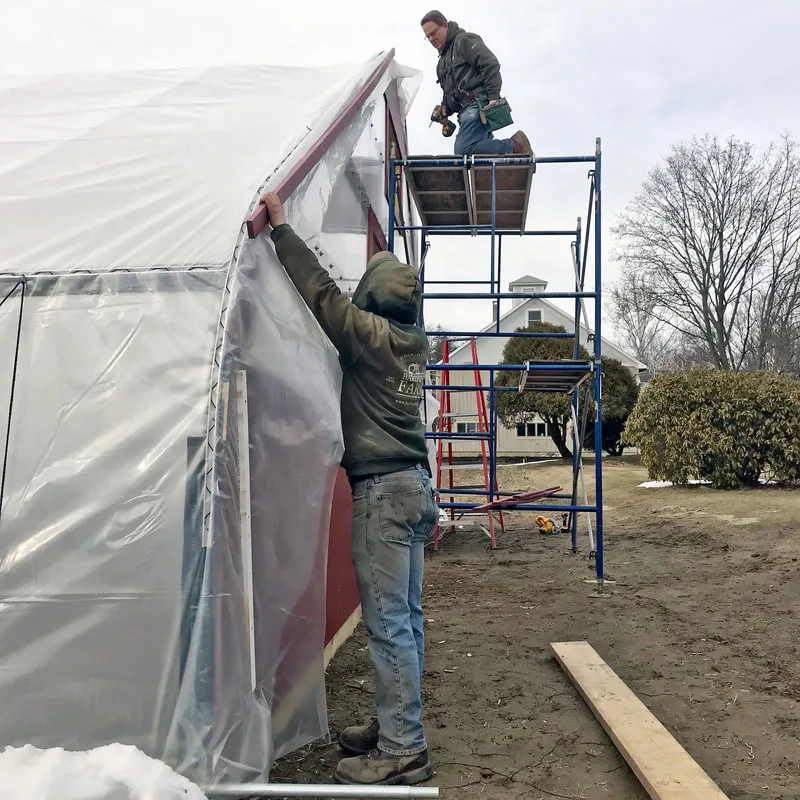
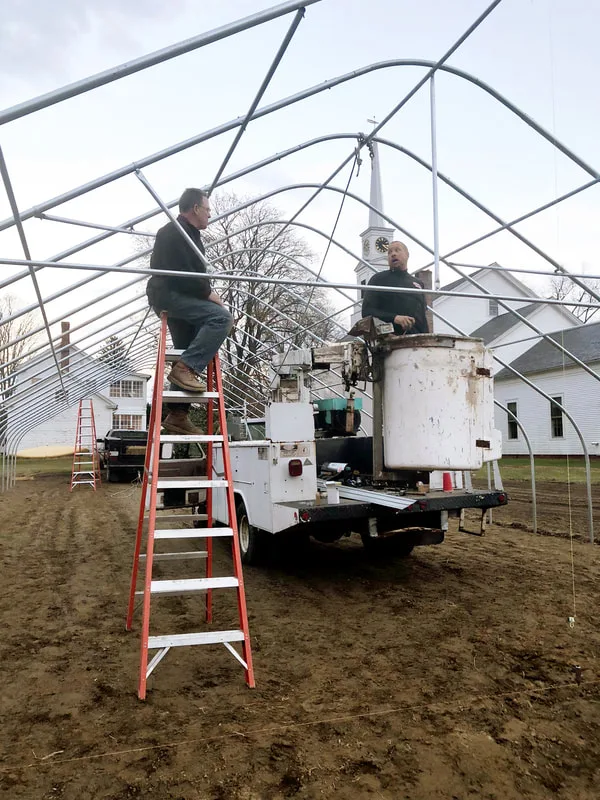
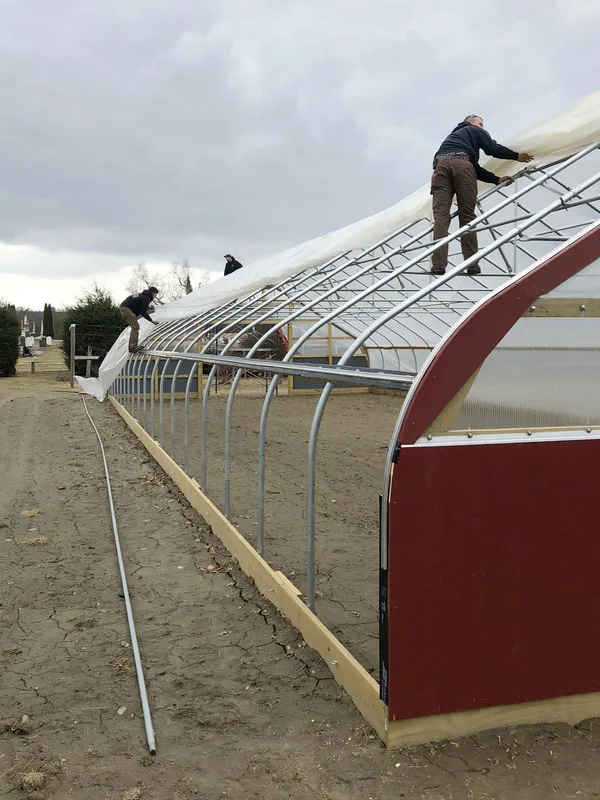
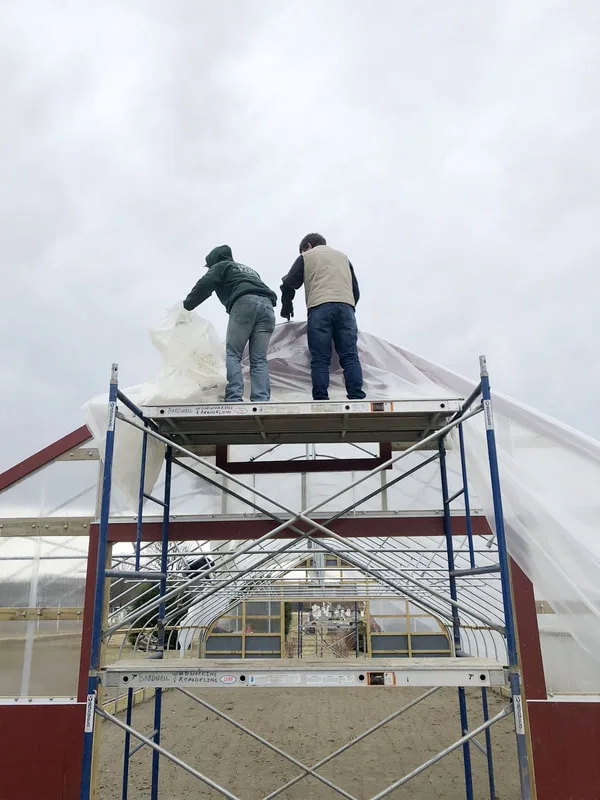
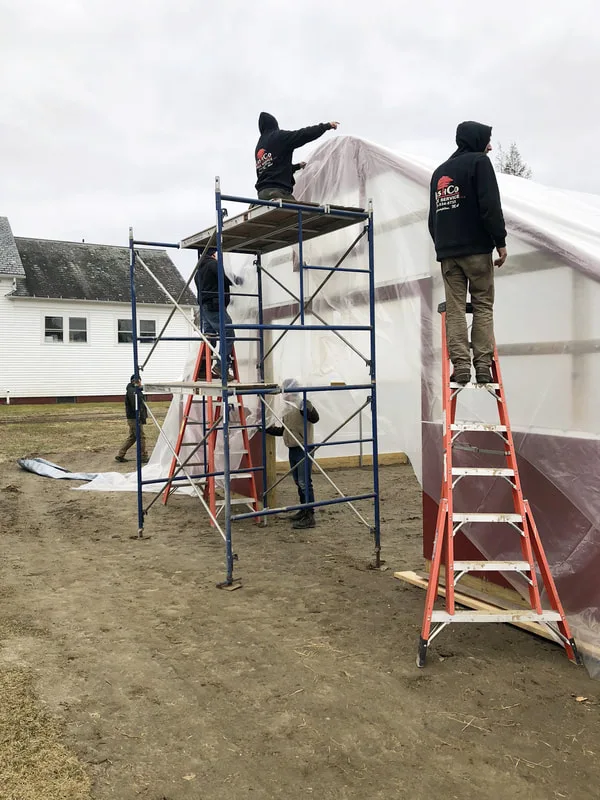
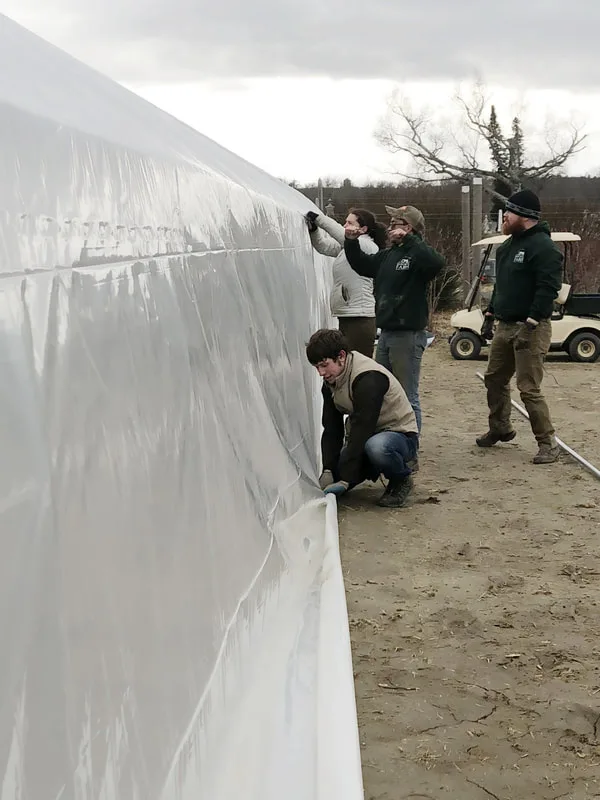
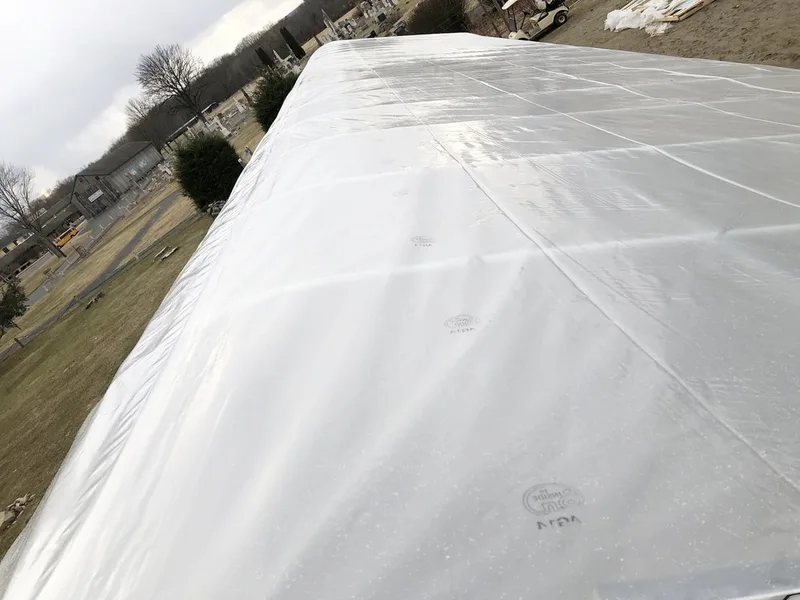
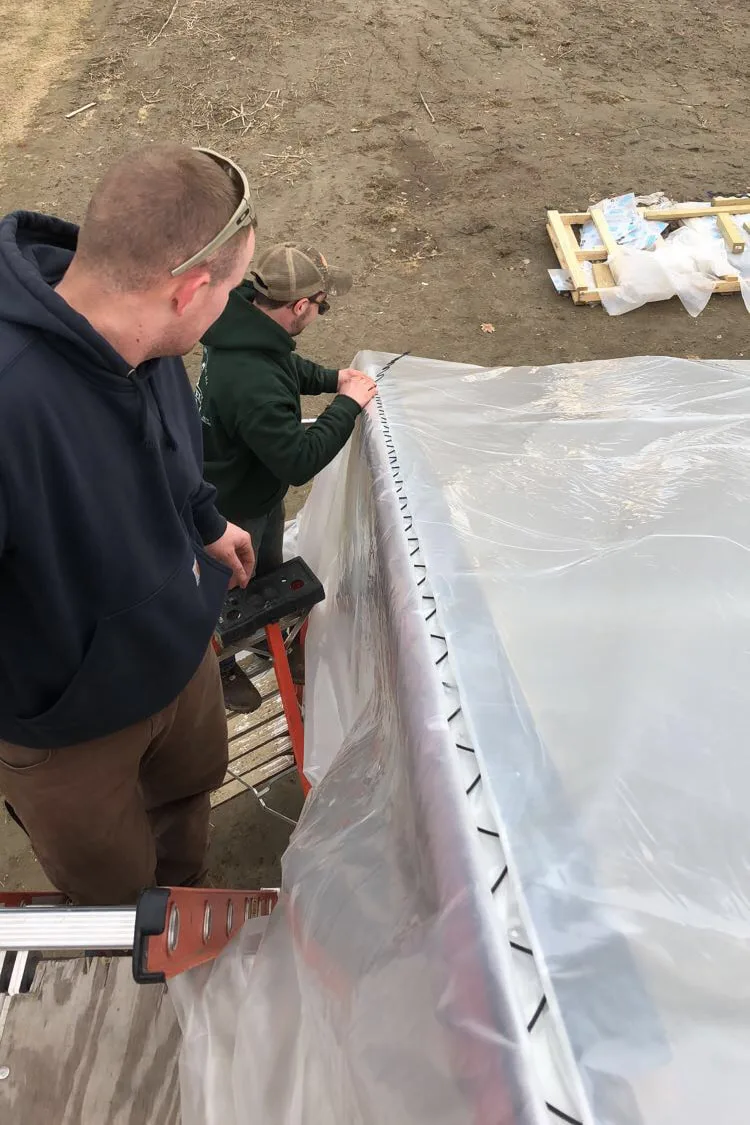
    After we put the plastic up on the frame we waited for a warm day to readjust and tighten everything up. Thanks for the help Cam and Spencer!

    Next, we installed a blower for the double layer of plastic. The blower adds air between the layers and creates an air pocket to act as a type of insulation. With the inflated layers it retains more heat when the weather is colder.
    Picture
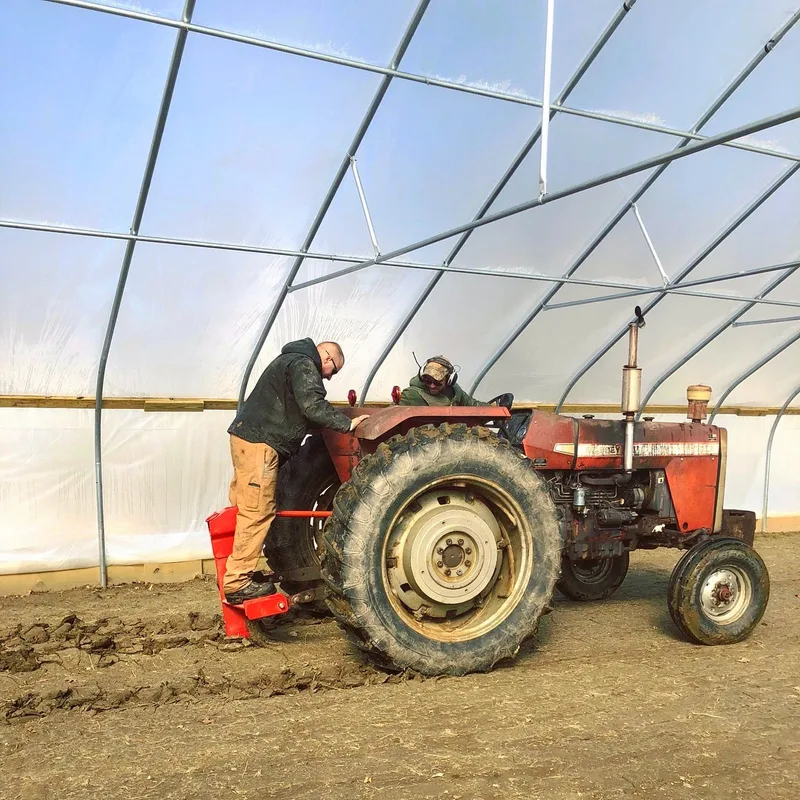
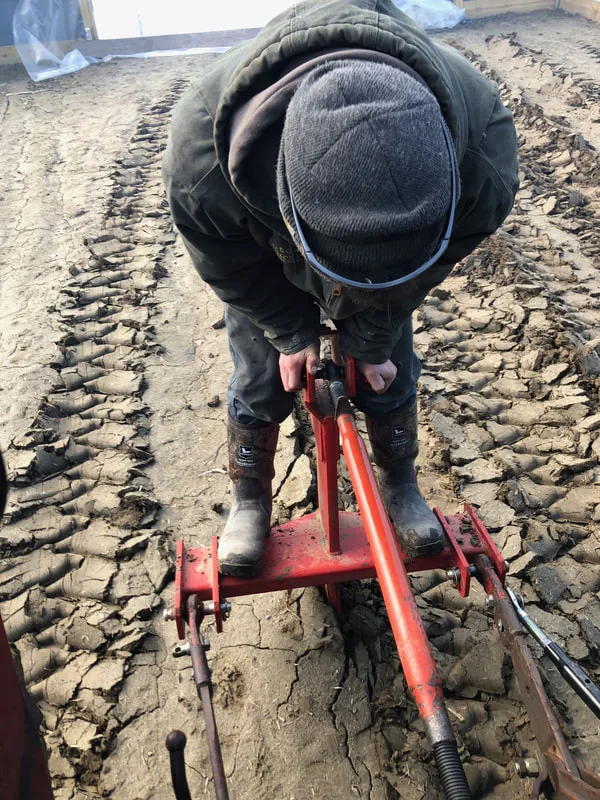
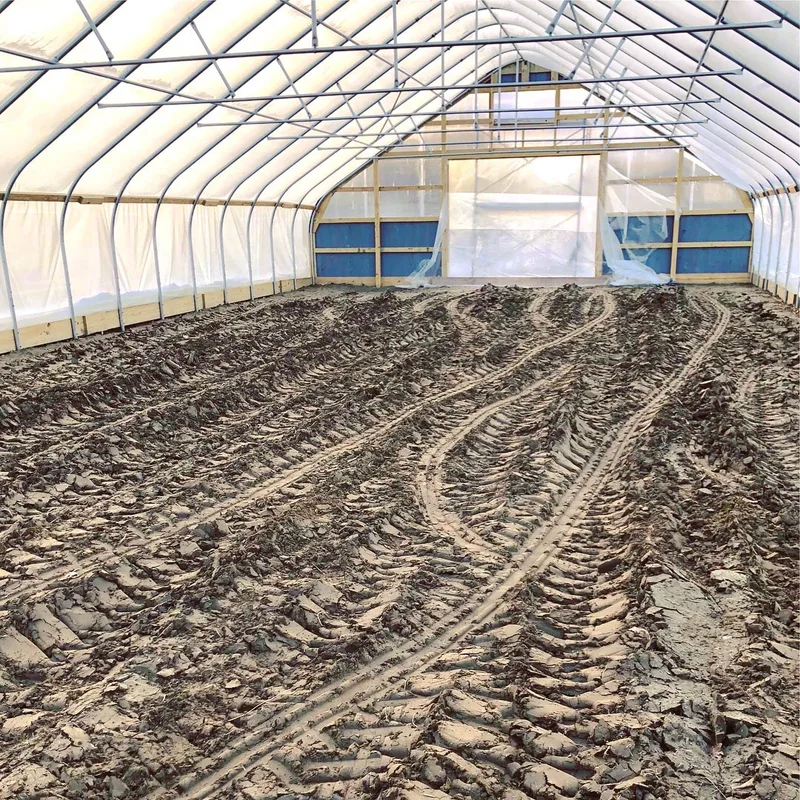
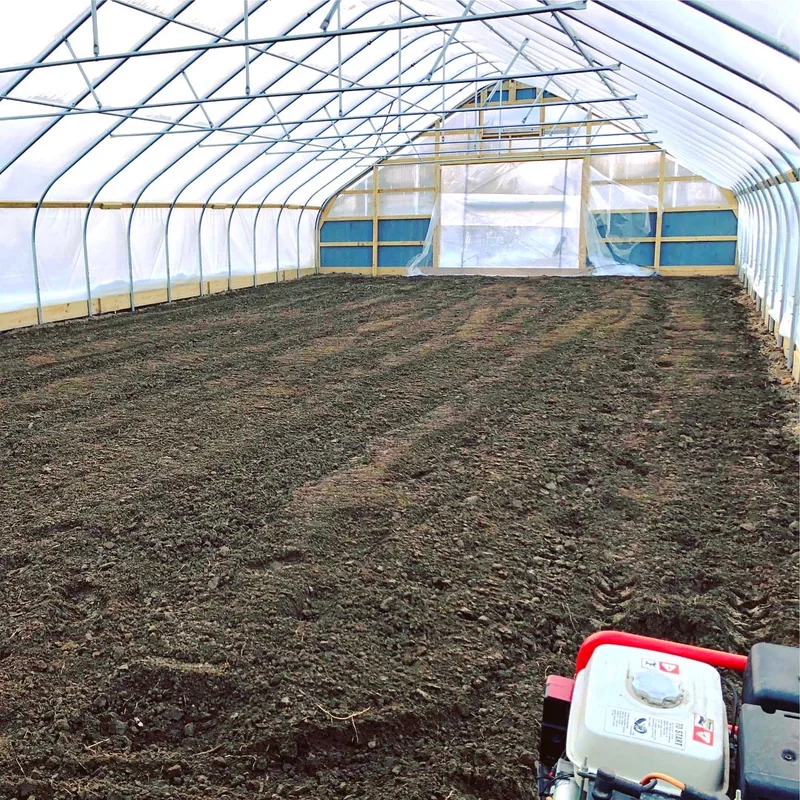
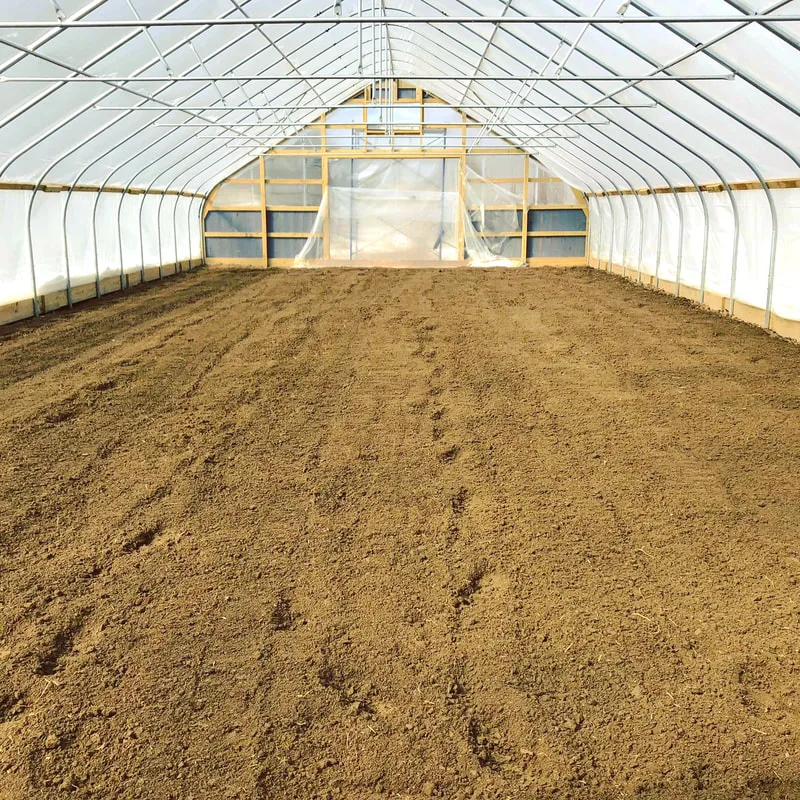
    Now that we had adequate warmth, we switched gears and put some actual farming into play! We started a cover crop! With the help of a few friends we subsoiled the ground intensely to break up the hard pan we created from leveling the land.
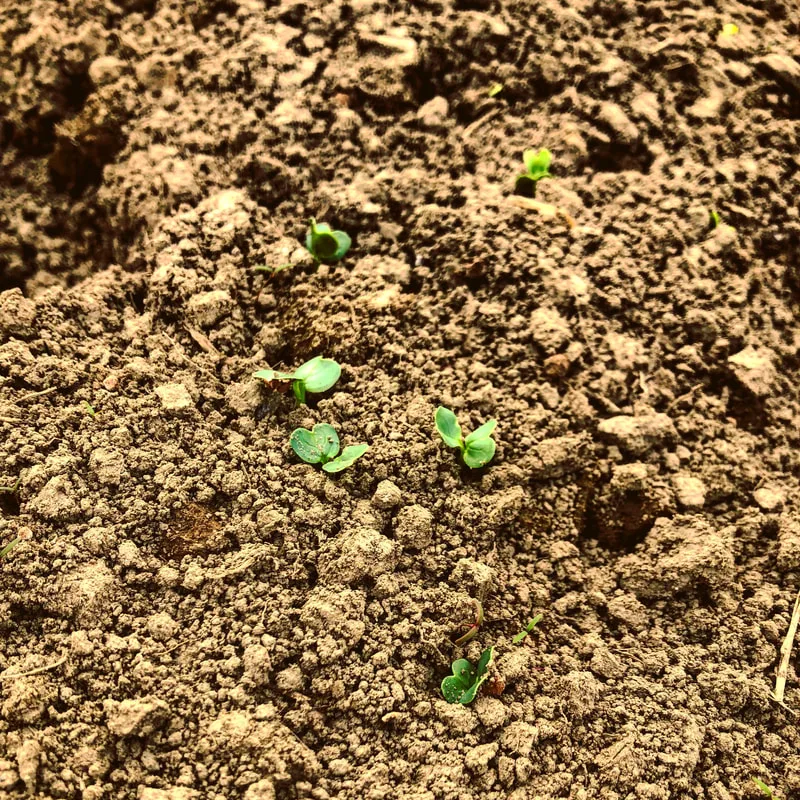
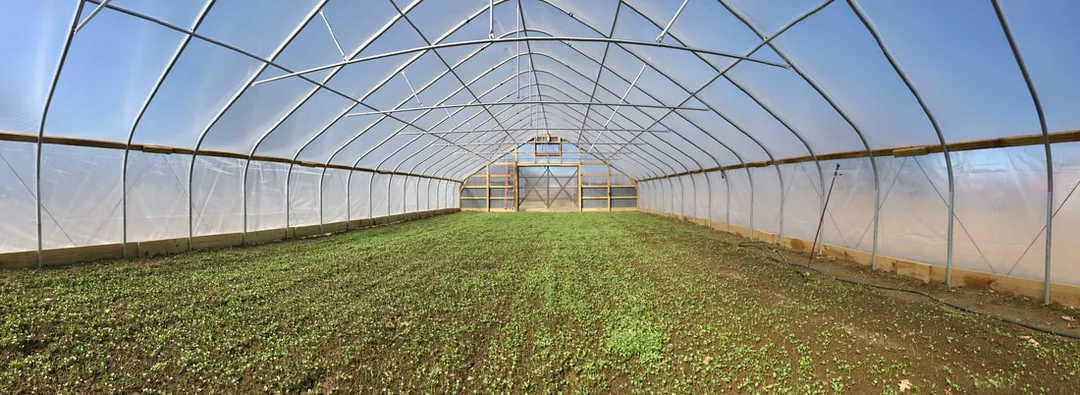
    We rototilled the soil and seeded "Peas, Oats, and Radish" into the ground along with some fertilizer and lime. Within a few weeks we had germination and it's looking great!
    Picture
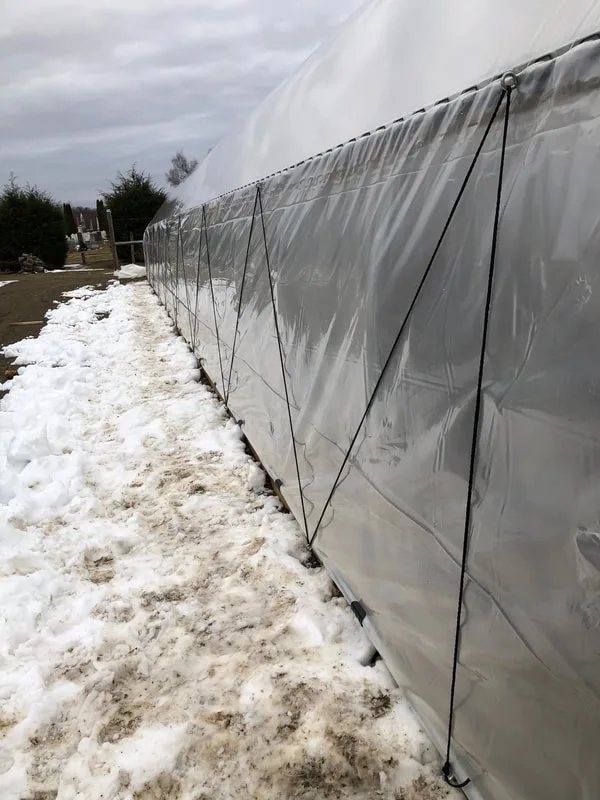
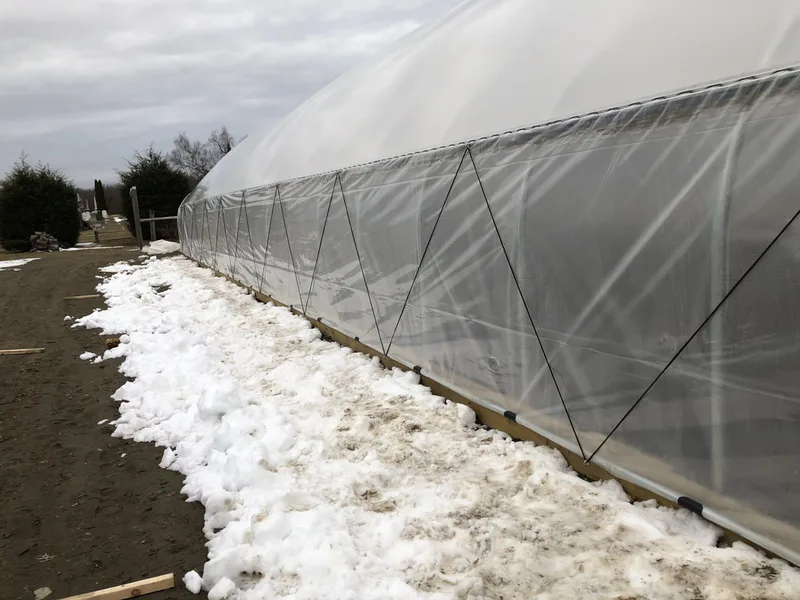
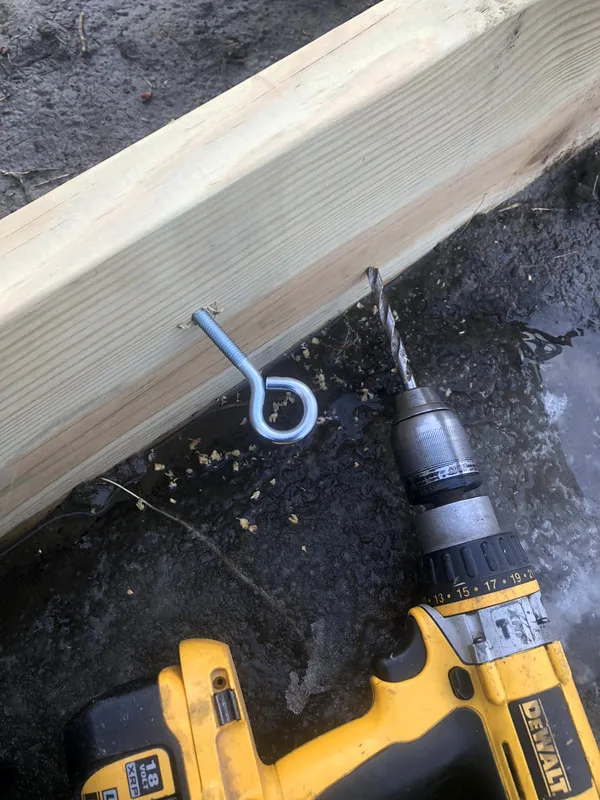
    Ok back to the actual high tunnel... we spent a few days working on the roll up sides, installing the eyebolts, and adding rope to keep the sides from moving. 

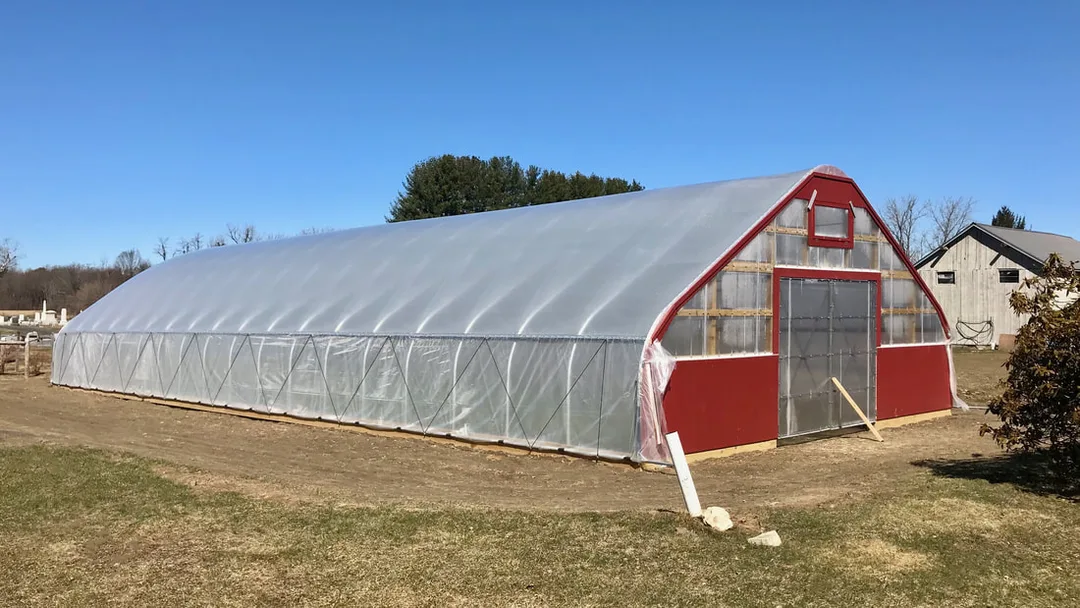
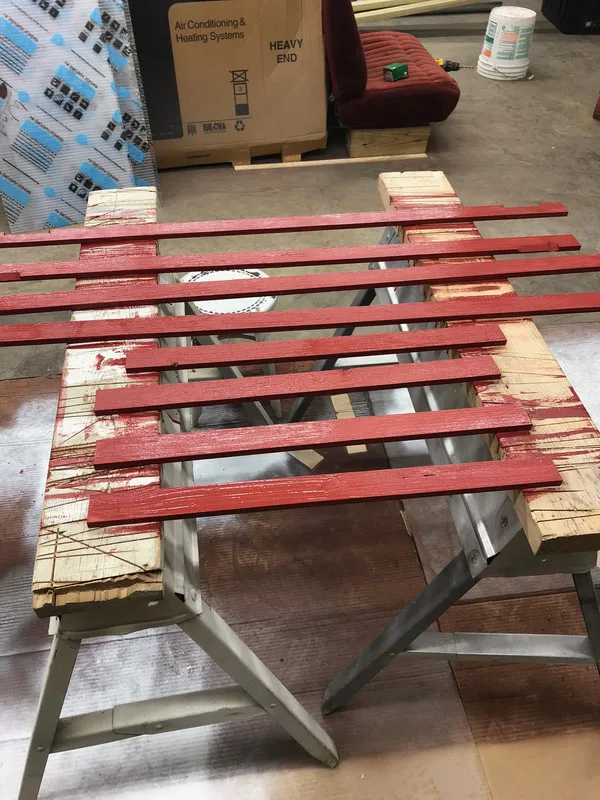
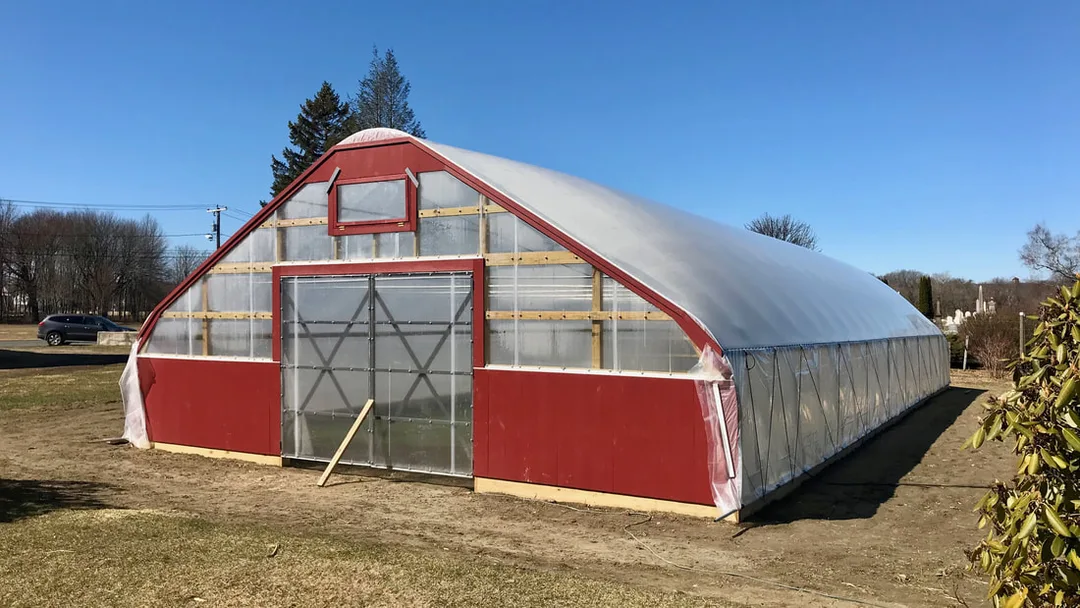
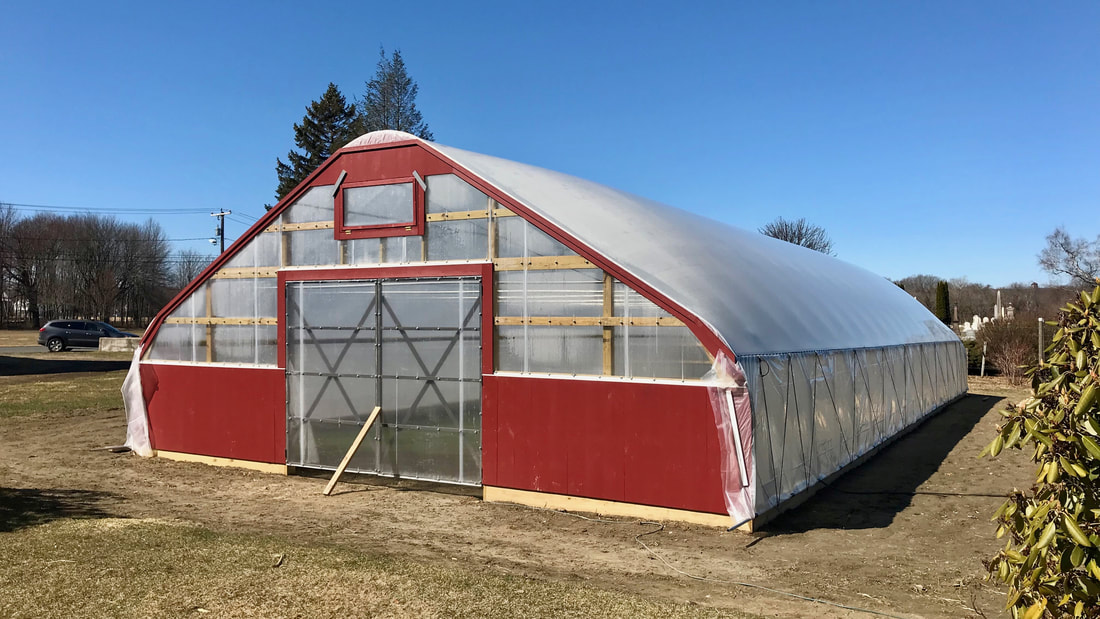
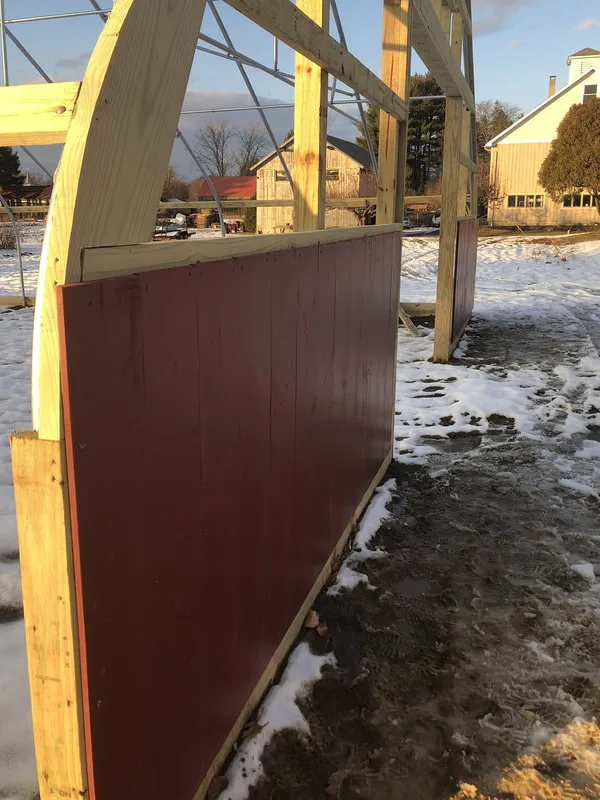
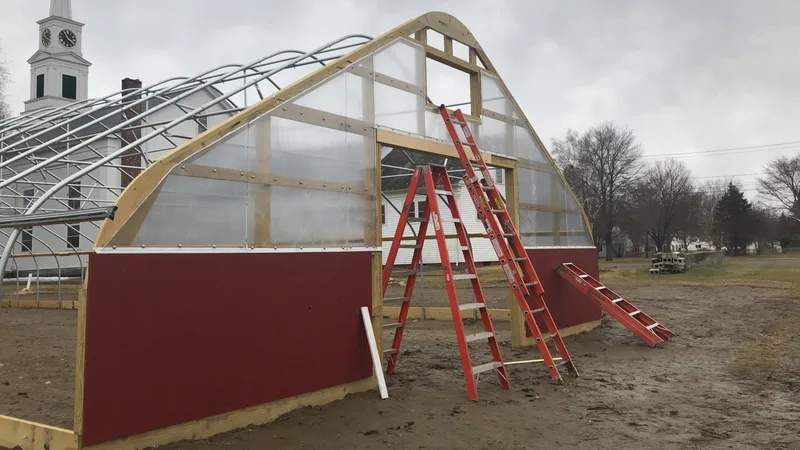
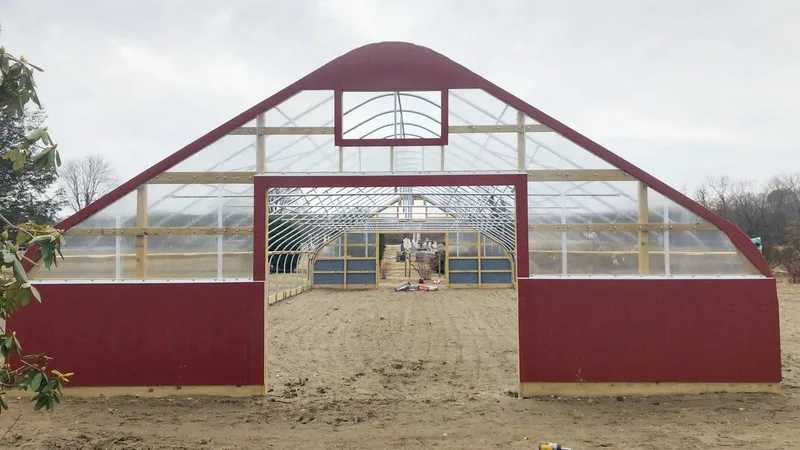
    After that was complete, we came back to the end walls. My dad and I attached final trim board and fastened the plastic with wiggle wire for extra protection. A huge thank you to my father (who still thinks we are building a house and everything has to be precise) for giving it the classic farm look in barn red. To say the least it came out better than imagined!
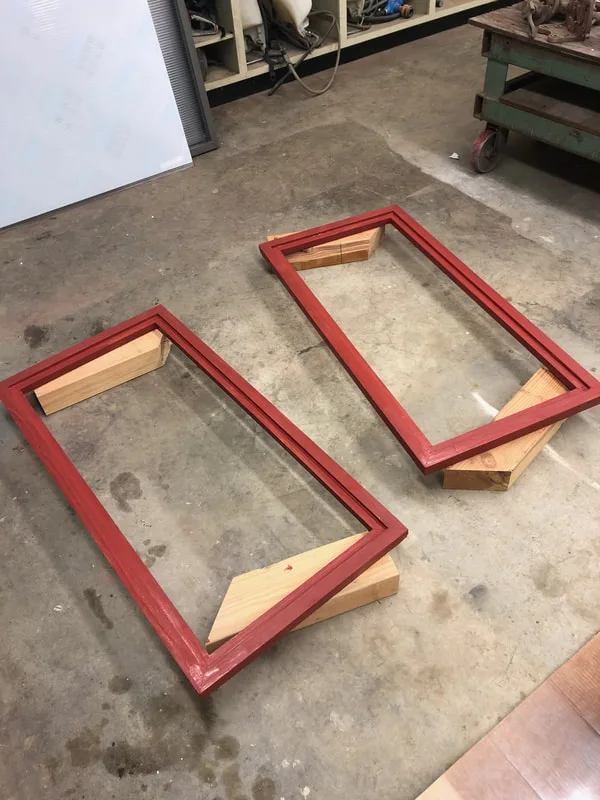
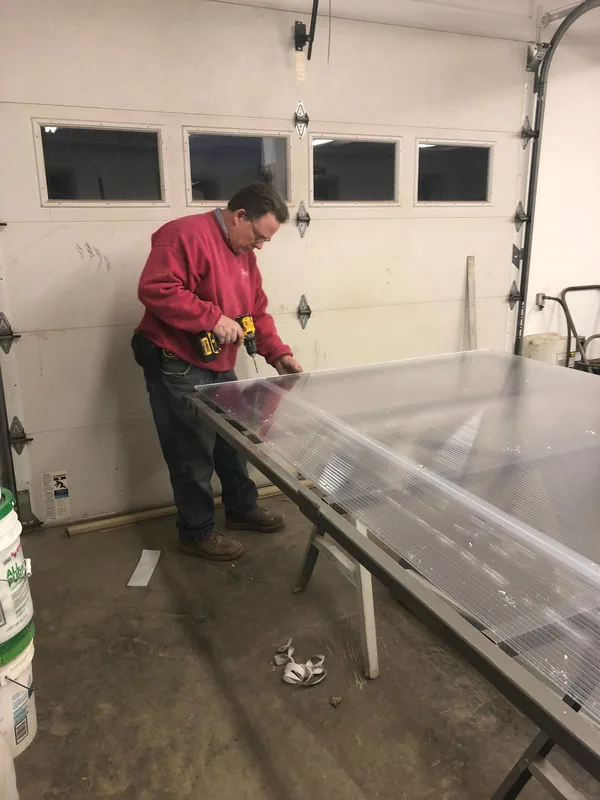
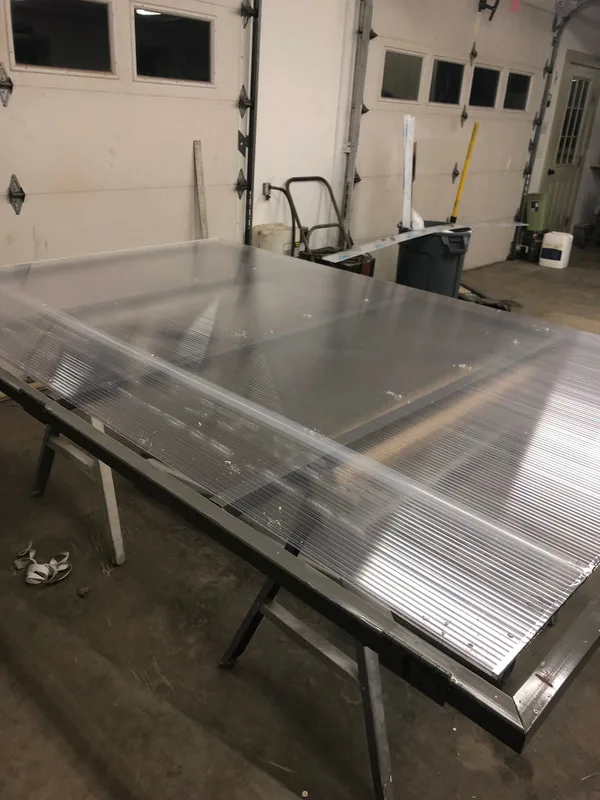
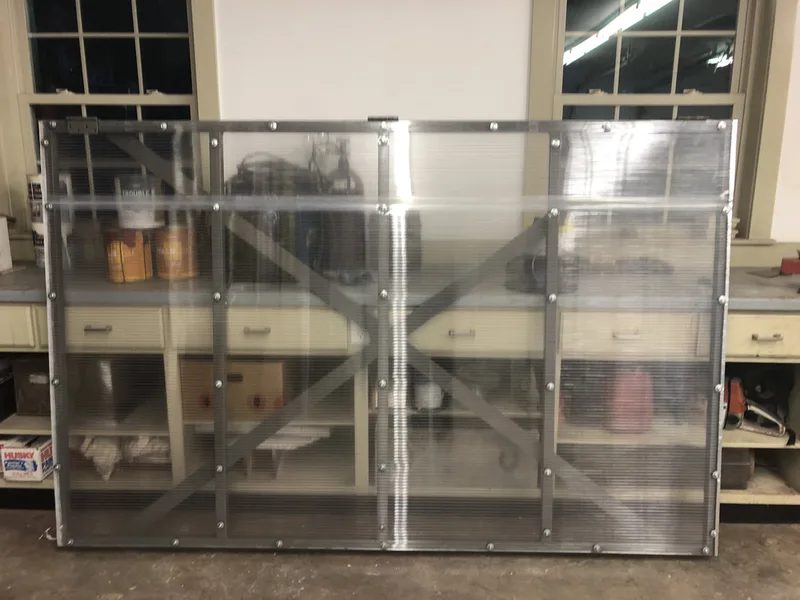
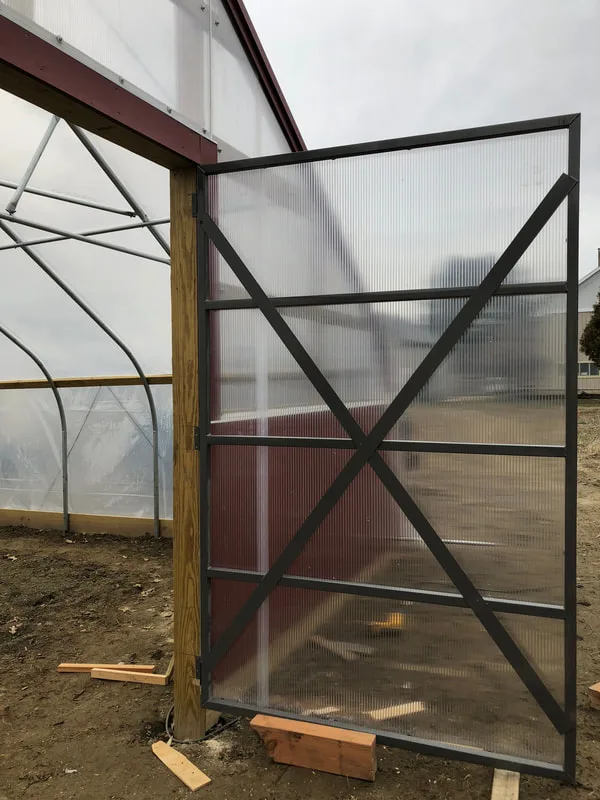
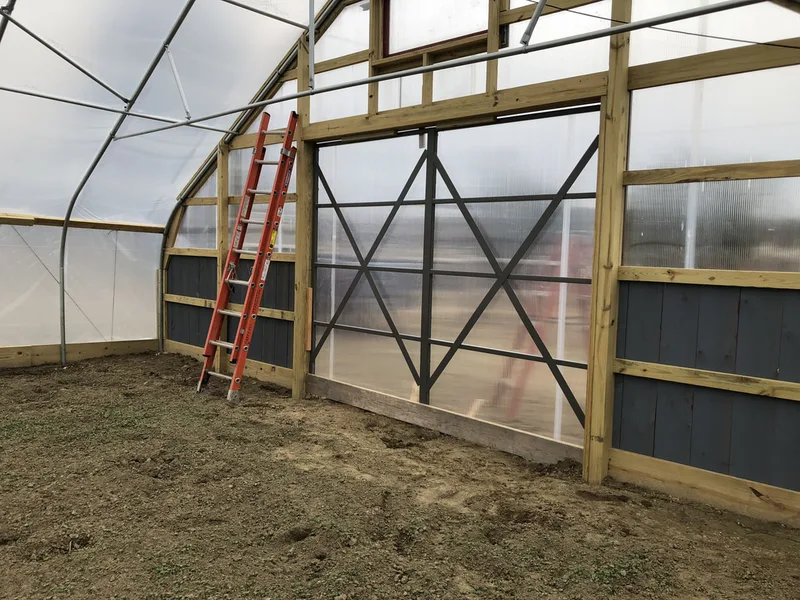
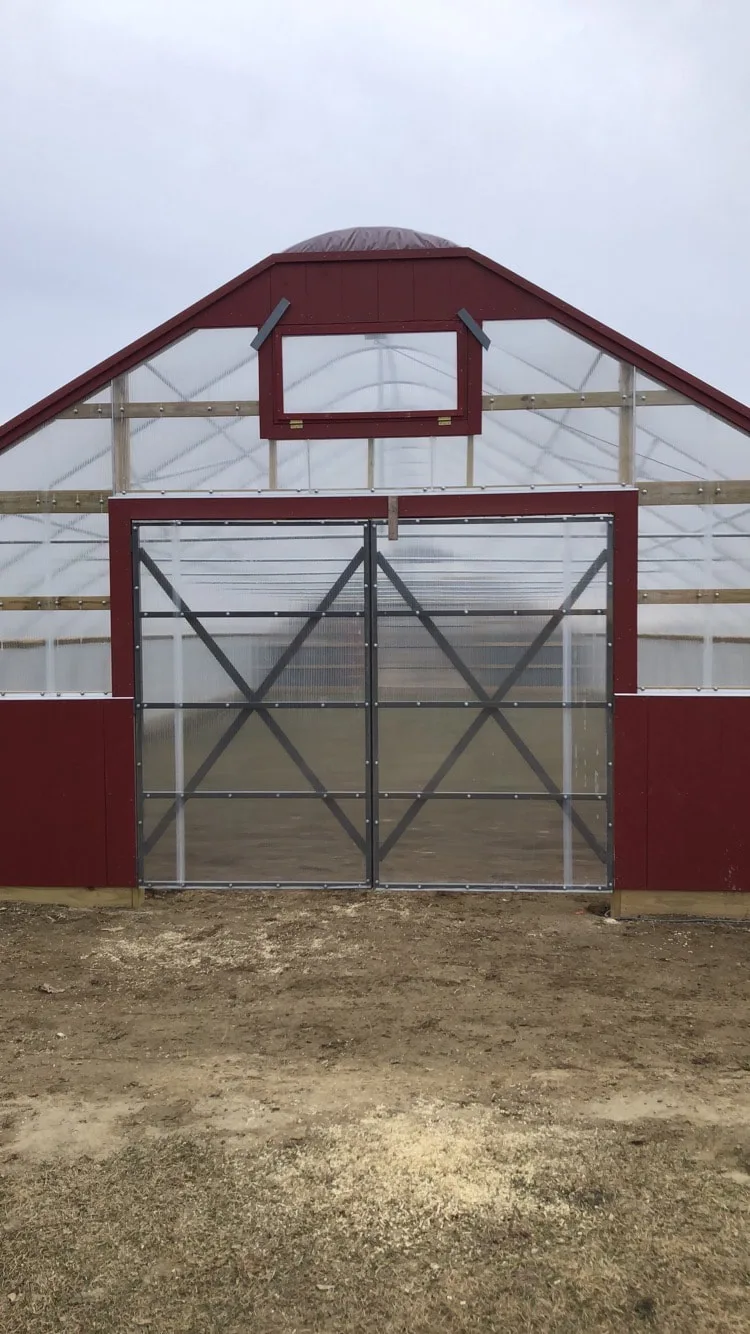
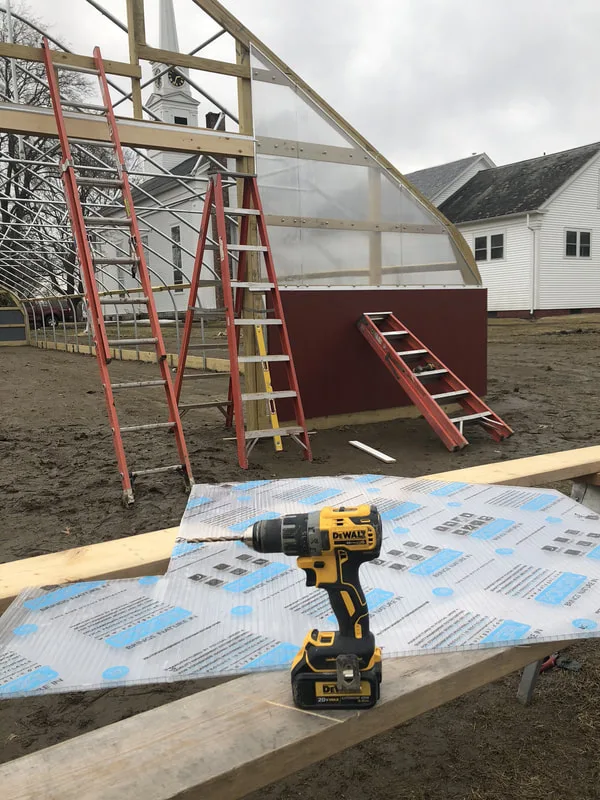
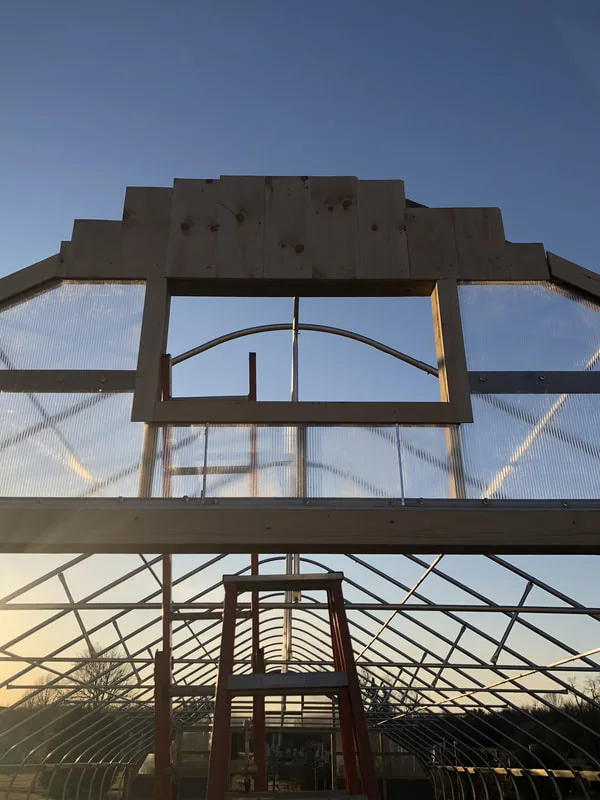
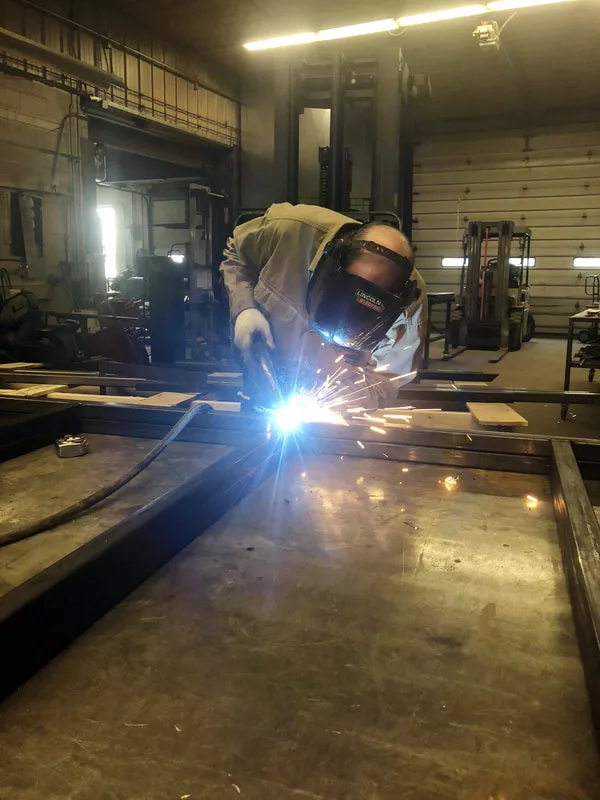
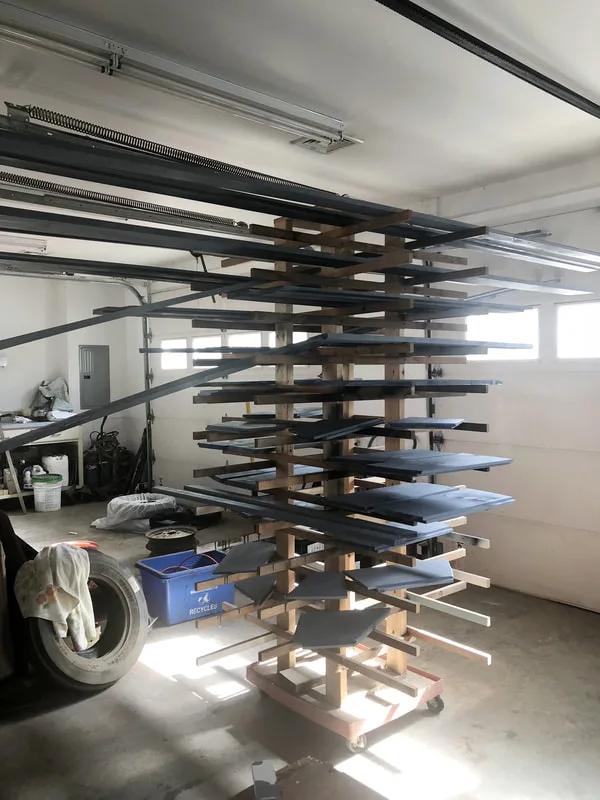
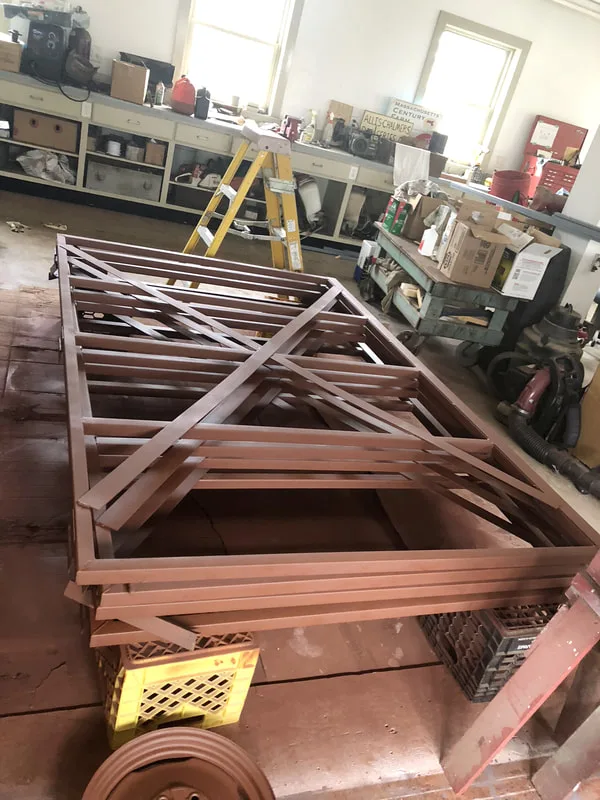
    The end wall doors and vents were the project finishing pieces. We fabricated the doors in the shop by cutting, mounting, and fastening polycarbonate sheet to them. We also built the vent windows in the shop as well, painted them up and attached polycarbonate. Everything came out perfect! 
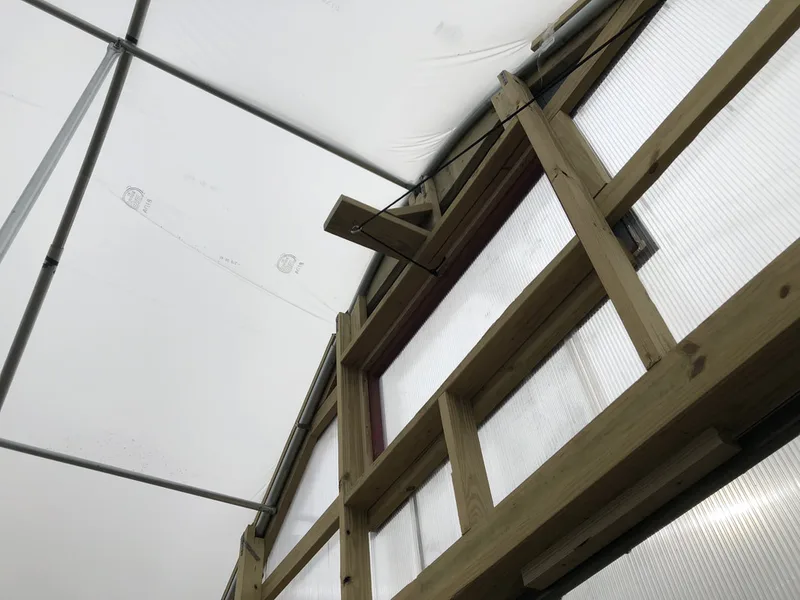
    Lastly, we mounted the vents and doors to the end walls with the hinges. This took some expertise because of the slight ground movement from the frost over the winter. The structure finally looks complete.
    Picture
    Happy to be moving forward with irrigation, and electrical. Soon we will be planting... we are counting the days and it can't come soon enough!

    ​Stay tuned to Part 3 of the High Tunnel Project. As always thank you for reading and all of your support!
  • Published on

    Spring is Here!

    Picture
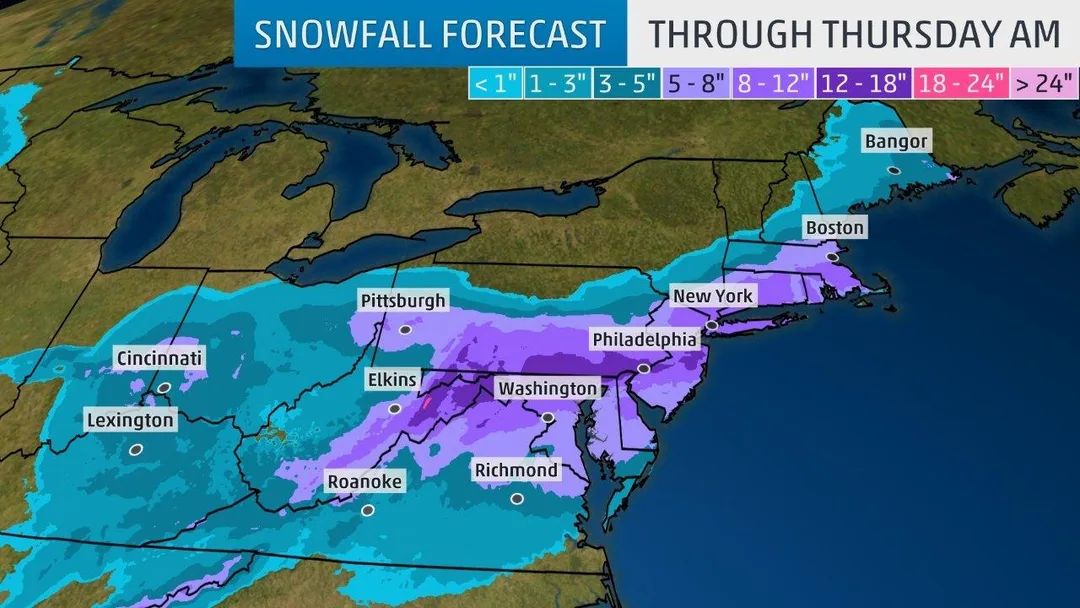
    It's been a long active winter, but things are looking up, today is March 20th and the first day of spring! So we may be getting a little snow tomorrow, no big deal right?
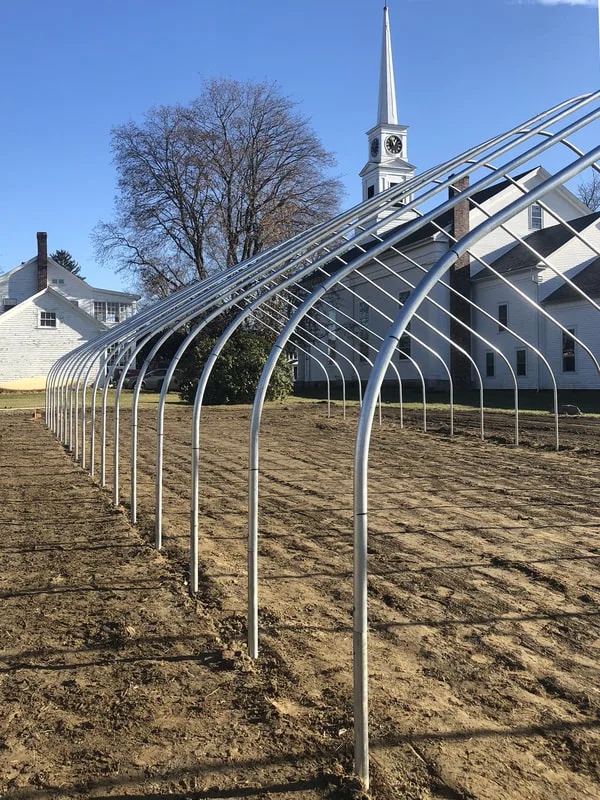
    Like you, we are so ready for this cool weather to break and the snow to finally stop. We're looking forward to warmer days and finally breaking ground.


    Even though it's cold, Bardwell Farm is busy at work and we are counting down the days. We're tuning-up all of our equipment. The high tunnel is almost complete and ready for operation. Seeding of the first crops that you will see on the stand come May all begins soon! 

    What we will be talking about in the days to come...
    • seeding in the greenhouse
    • working in the high tunnel
    • field prep, sub soiling and plowing

    Here's to season 2018 and a Happy Spring to all!
  • Published on

    The High Tunnel Project: Part 1

    We are so excited about our new high tunnel! Wait, what? You're not really sure what a high tunnel is? Let me tell you all about it...

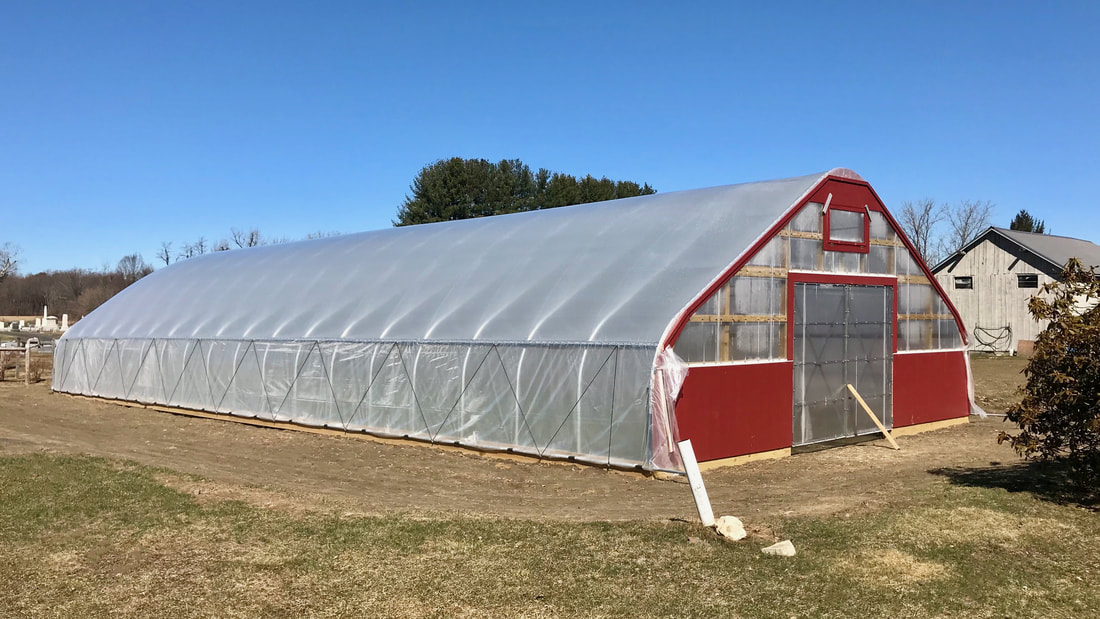
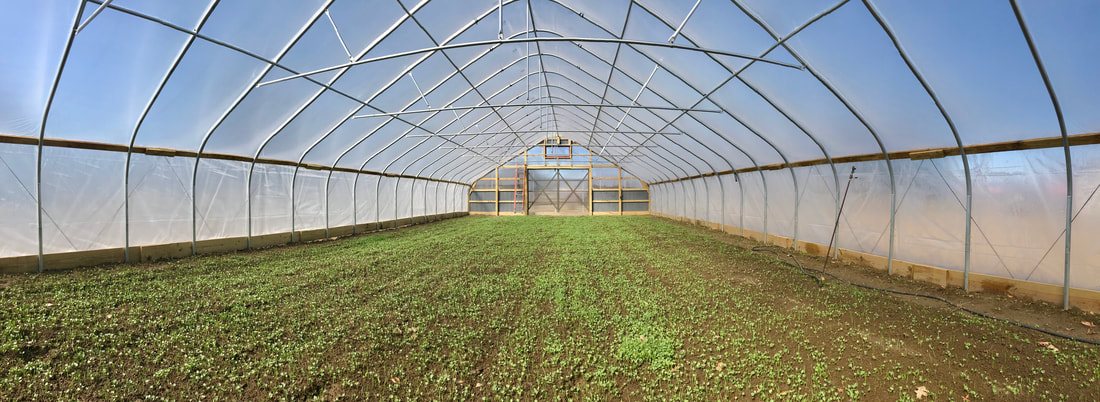
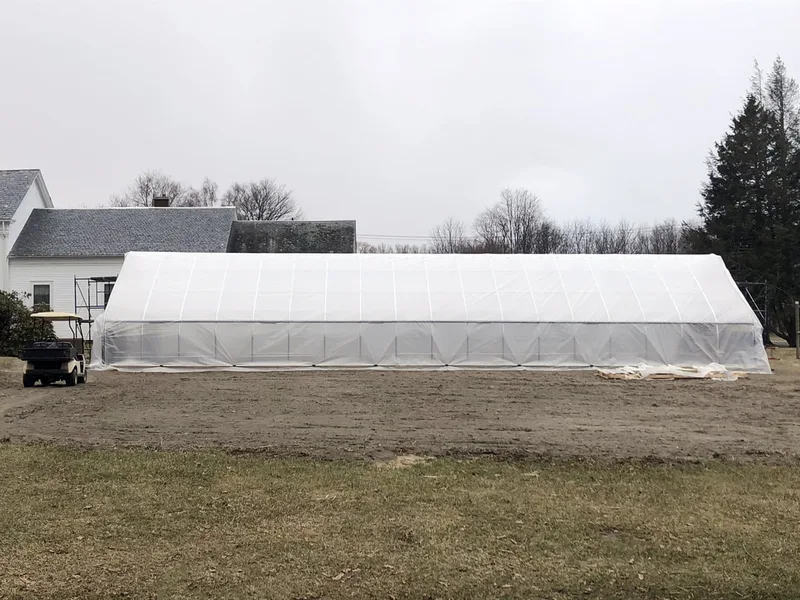
    A high tunnel is a non permeant structure that is used for growing crops in the soil and/or raised beds. It's primarily used to extend the growing season by having a controlled growing environment. This new system will give Bardwell Farm the capability to grow a quality crop much longer.

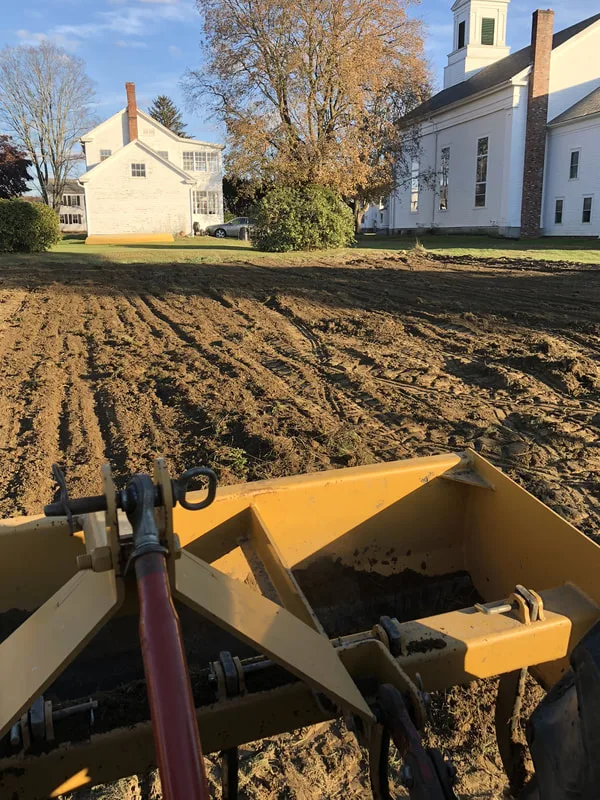
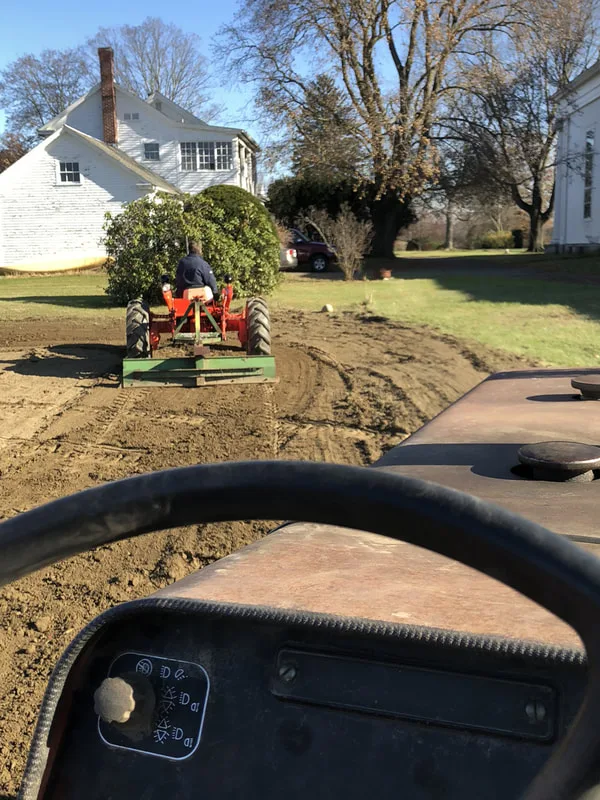
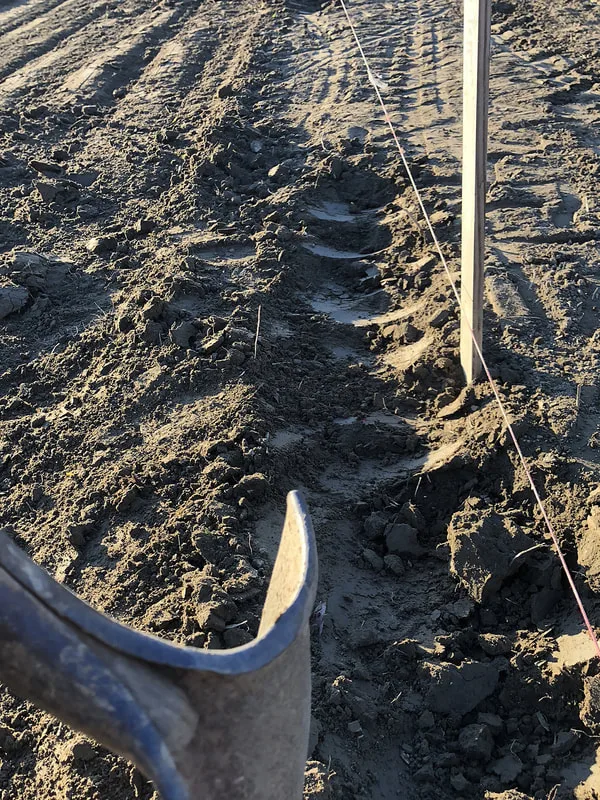
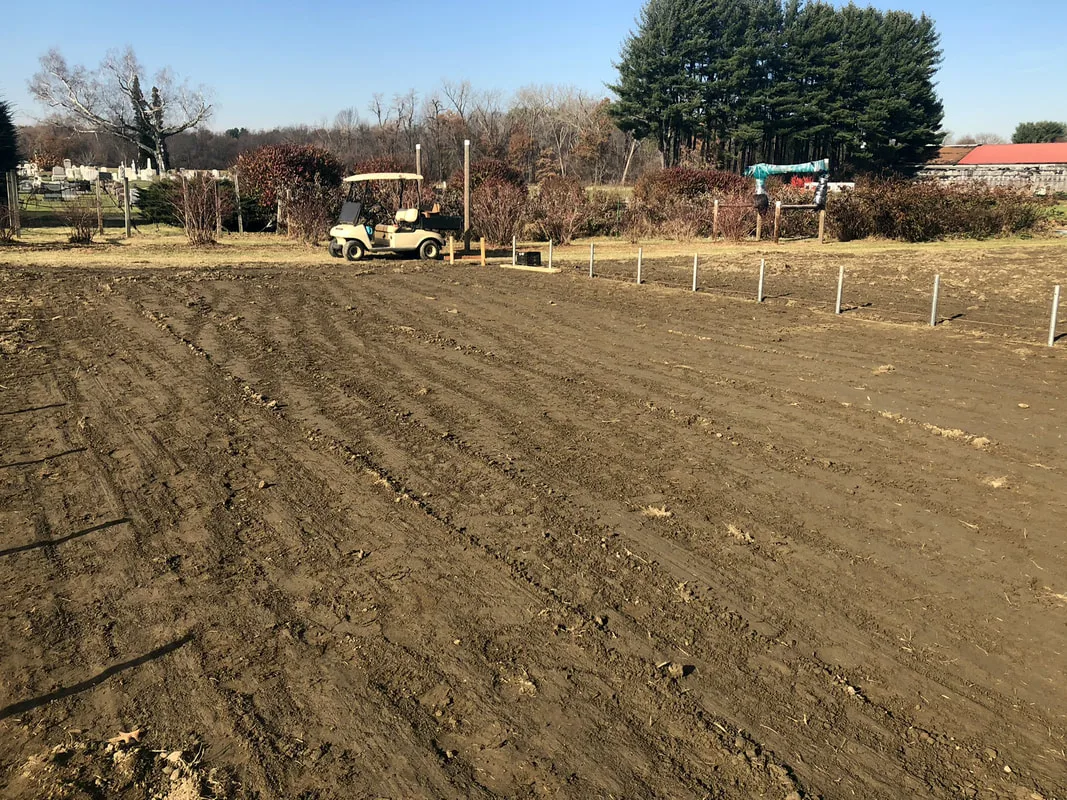
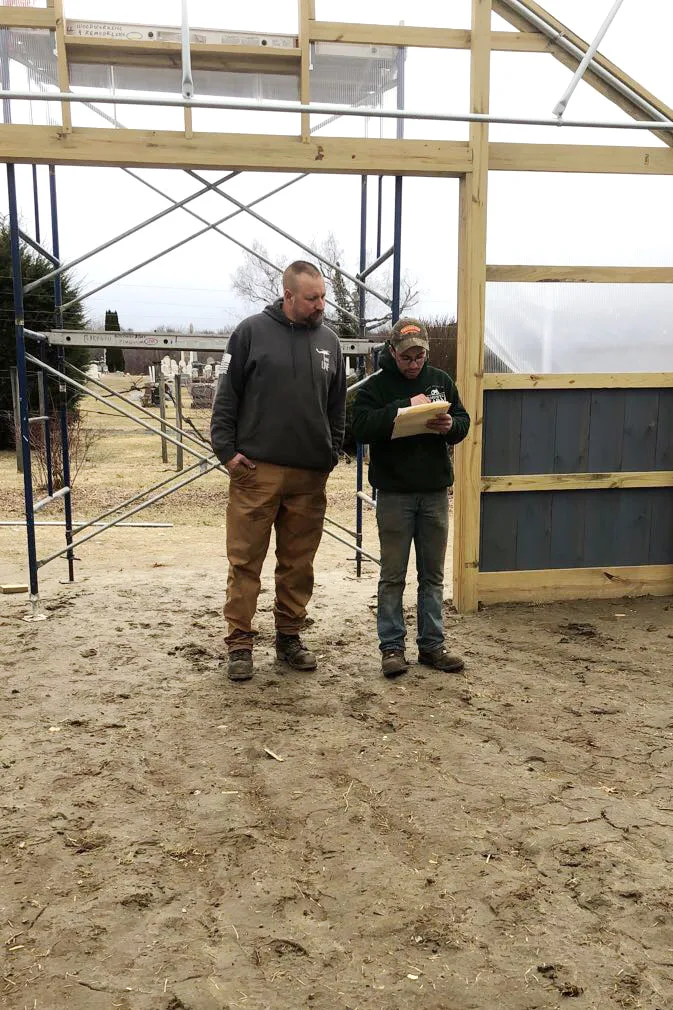
    As many of you know we started this project back in November as we were closing for the season. We started by laying out the demensions on the land where the structure was going to sit. This was a process of applying the dimensions, then grading and leveling the land to make it as flat as possible. It's important to build the structure level and true, it makes a world of difference and helps the building process go that much smoother. 
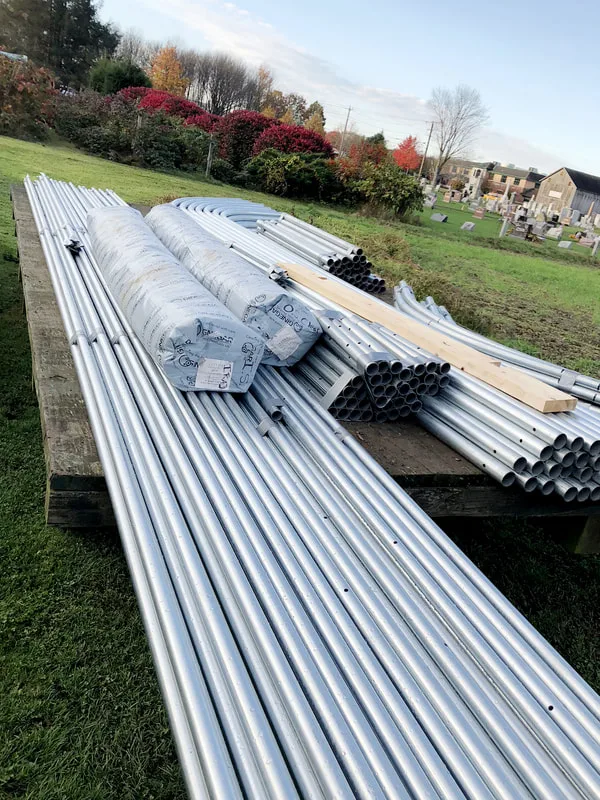
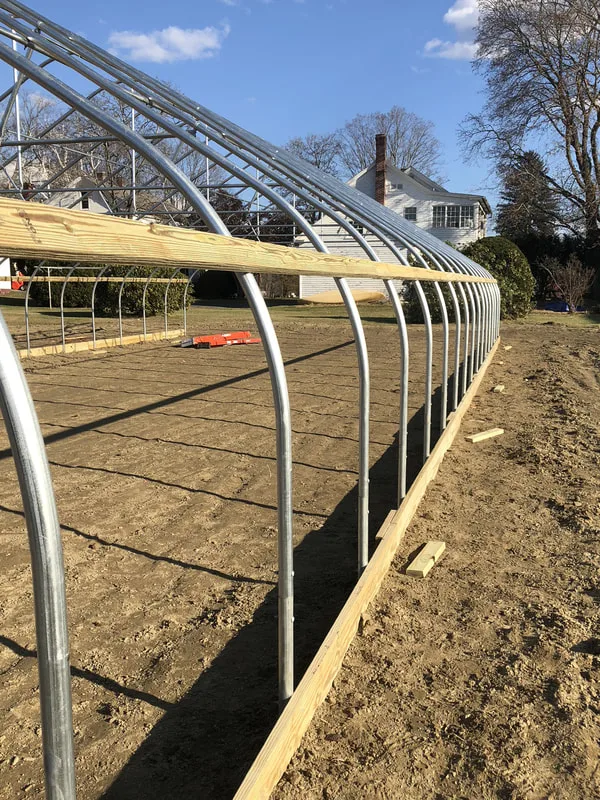
    After the leveling process we lined-up 4 foot pipes that would make the base of the structure. These were spaces every 4 feet in a row on each side of the field. The pipes were pounded about 2 feet into the earth to create the foundation for the high tunnel. 
    Picture

    Ground level and ready for bows

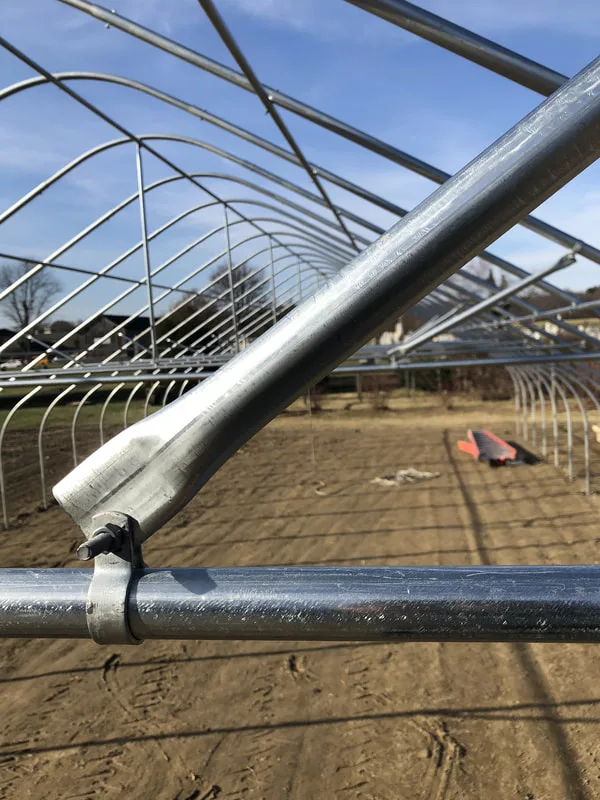
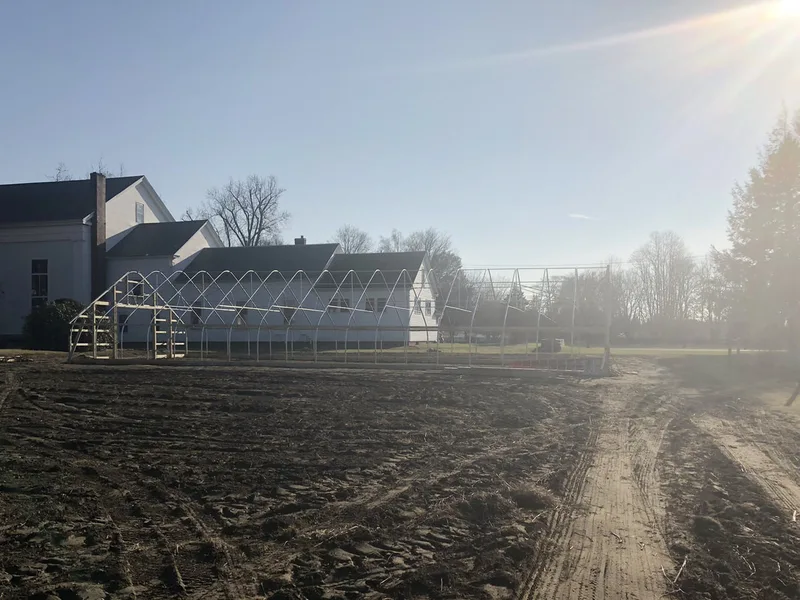
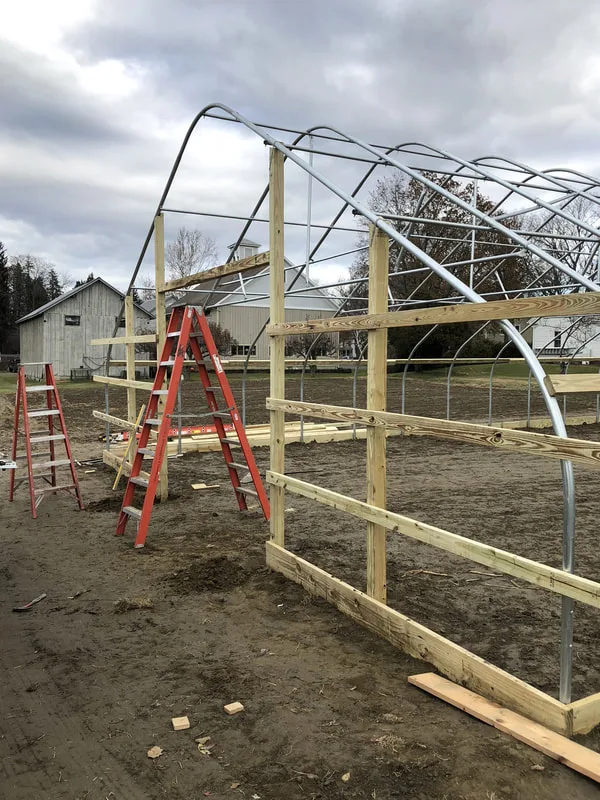
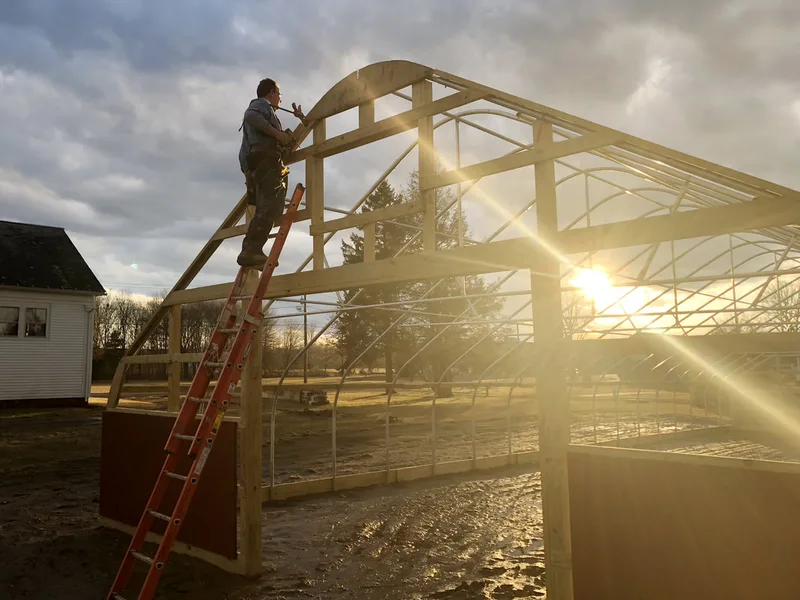
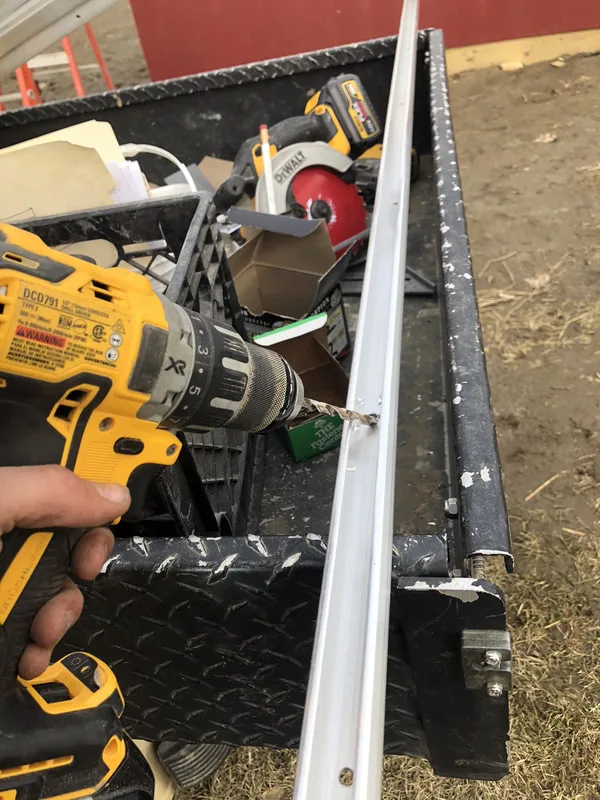
    Frame bows were assembled off site then brought in to be put in place. The bows were so light three of us were able to pick them up and slide them into place. Once completed we tied the structure together using purlins, cross ties, and corner braces. These were all bolted together to make it solid.
    This part of the project went up fast! We encountered some challenges with end wall design and bad weather hindering progress. It slowed us down a bit, but didn't halt our work. We decided to use 4X4" posts as structural supports to hold the end walls to the ground and structure. It's quite difficult working with round metal pipe and wood. We finally came up with the perfect design plan to build these end walls. The lower half is going to be shiplap boards and the top will be a polycarbonate double layer honeycomb hard plastic that will allow light into the structure. 
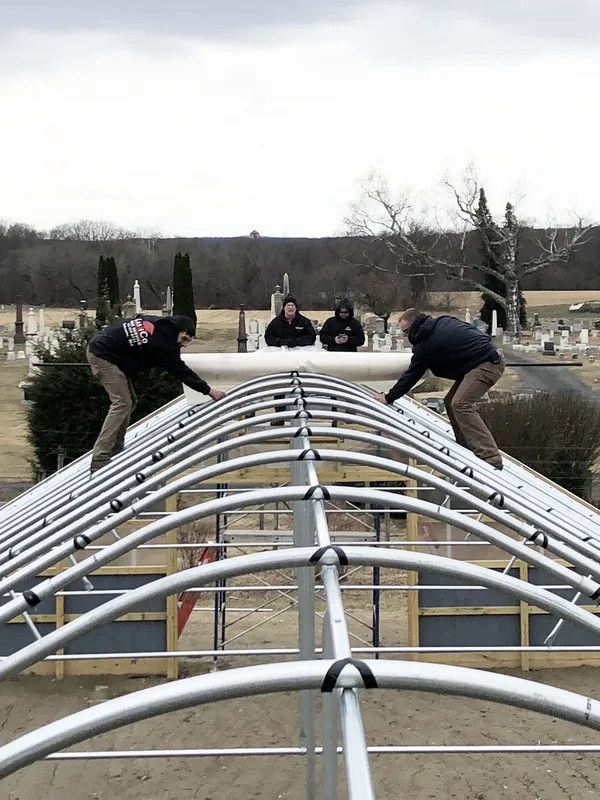
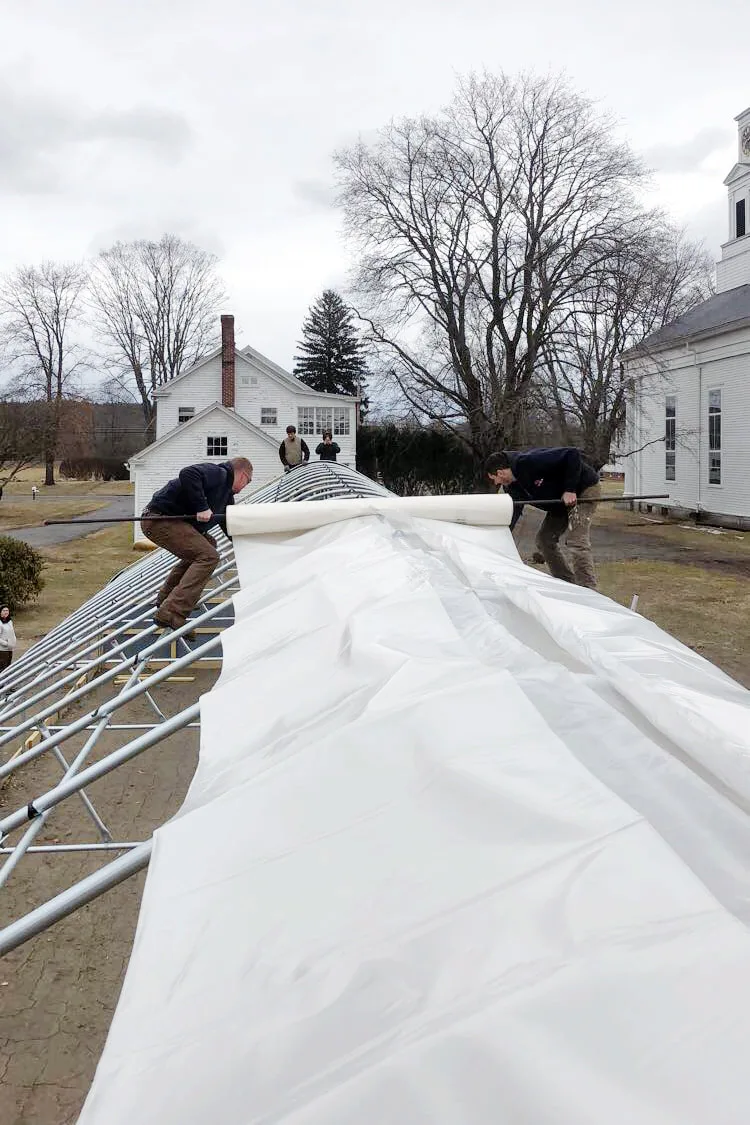
    Once the doors are mounted on to the end walls the next step is putting the plastic on the roof. This is a BIG TASK! We'll need a good size crew of people. A double layer of plastic will be added to the rough of the structure. One is an infrared plastic to capture sunlight and hold in heat. The top layer of plastic is clear to let sunlight in. Lastly, near the roof, a small blower fan will be installed to create an air gap between the two plastic layers. This is used to make an insulation layer to help retain heat inside the high tunnel during cold parts of the spring and fall seasons.
    The last step is adding the irrigation system and horizontal ventilation fans to create the most efficient environment for growing our crops. I cannot wait to finish this up, we are so close!

    Thanks for reading and stay tuned for The High Tunnel Project: Part 2 coming end March.
  • Published on

    2018 Season Preview

    Here at Bardwell Farm we are always looking for new fruits and vegetables to incorporate more diversity for your dinner plate. This season we are introducing several new products and varieties to what we are already growing, as well as fresh herbs to add zip to your menus. Here is Part 1 of our 2018 Season Preview! 

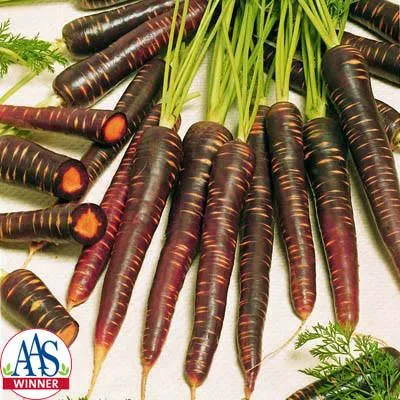
    Purple Haze Carrots
    The Purple Haze variety has a striking color with a deep purple exterior and contrasting orange interior. It tastes sweet with a mild peppery flavor. It's perfect raw in salads, steamed side dish, and really amazing as a juiced beverage.  

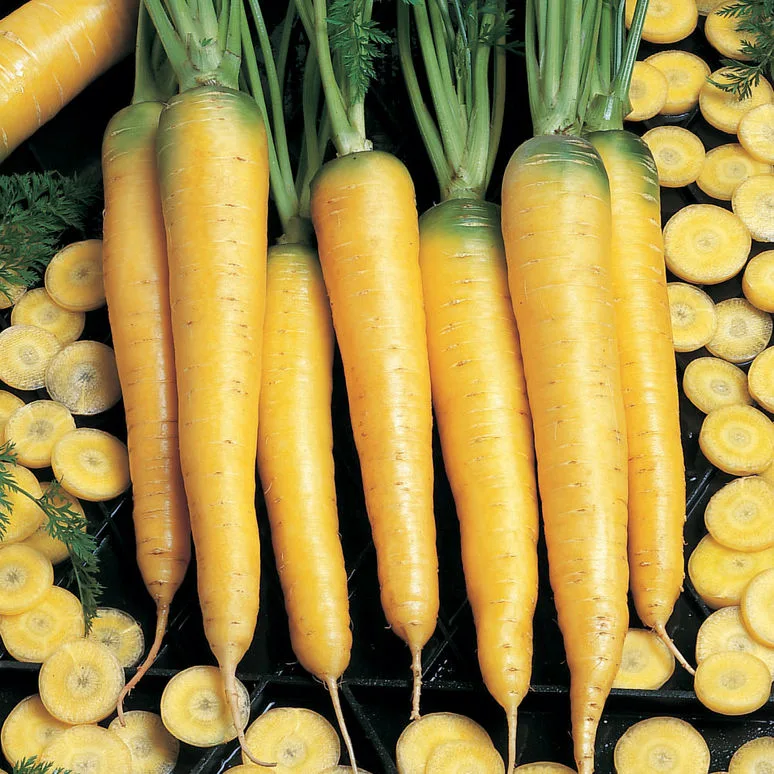
    Yellowstone Carrots
    The Yellowstone variety has 6 to 8" long roots and are deeper in color than most other yellow carrot varieties. They have a mild earthiness flavor and they're notably a bit sweeter than orange, red, or purple carrots.

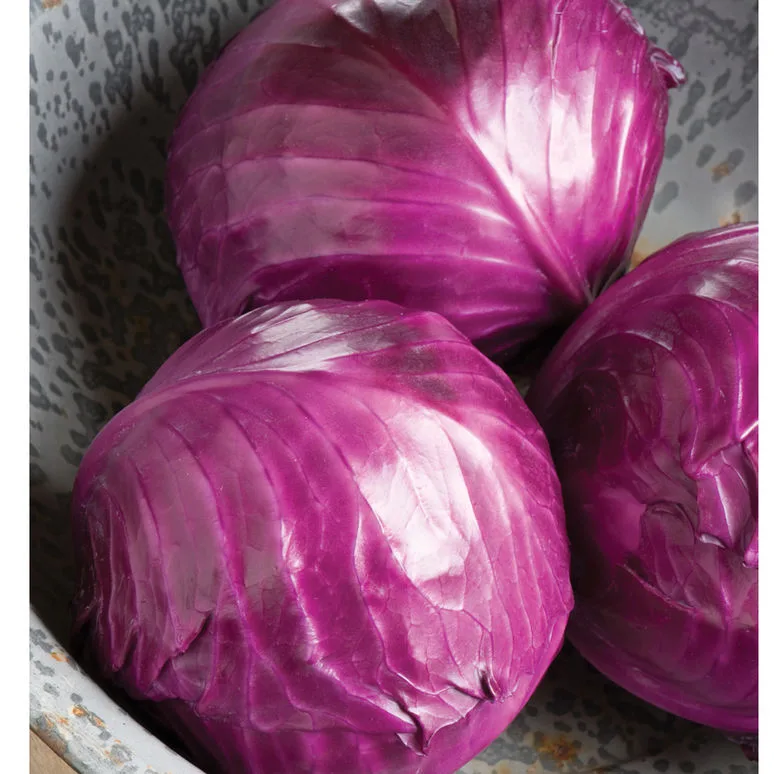
    Cabbage Ruby Perfection 
    This is a number one mid to late red cabbage. The heads are medium-sized and dense with a uniform high-round shape and good wrapper leaves. The flavor is slightly peppery and a little deeper and earthier than green cabbage. It's color makes coleslaw and leafy green salad mixes beautiful.
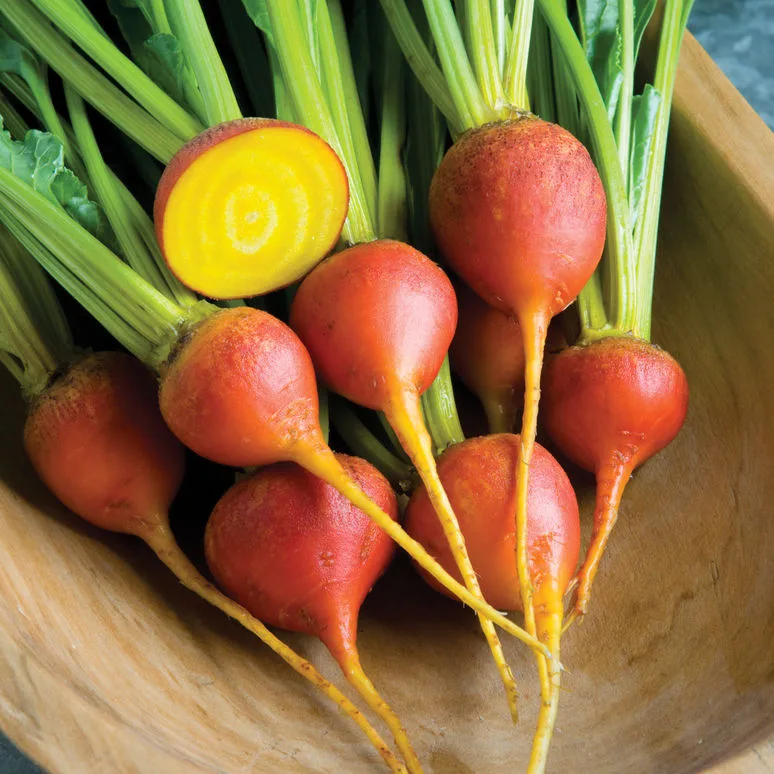
    Touchstone Gold Beets
    This beet has smooth golden roots with bright yellow flesh and retain their color when cooked. They have a mild sweet earthy flavor.

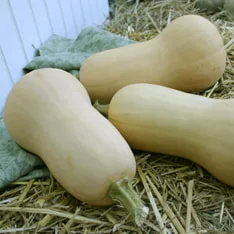
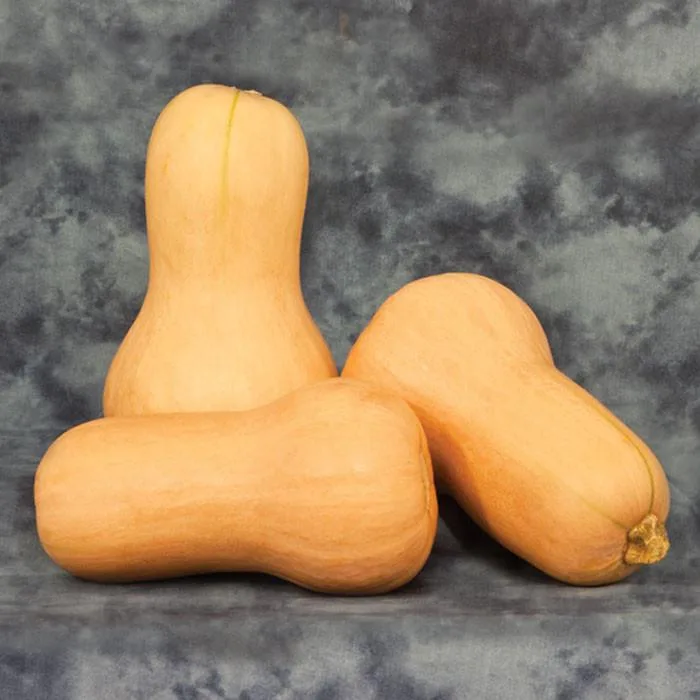
    Avalon Butternut
    The Avalon variety is larger with a bright orange color and a more uniformed shape. It has a mild nutty flavor and compared to that of a sweet potato.  

    Betternut 900
    This variety just may be better than the others, you can be the judge this fall! This winter squash is flavorful, nutritious and packed with numerous vitamins. It has that "autumn" taste that can be associated with pumpkin, just a bit sweeter.
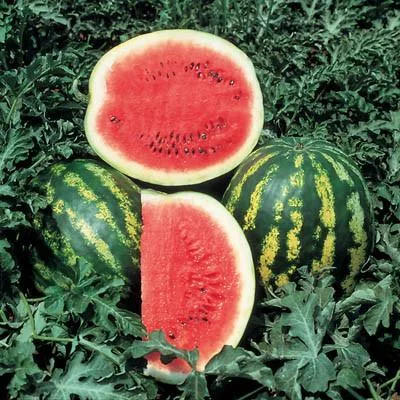
    Crimson Sweet Watermelon
    Tasty and so refreshing, this variety has crisp, orange to red flesh, with a sweet summer flavor and small brown seeds. It's a 15 to 25lb melon perfect for parties and good times with friends! 

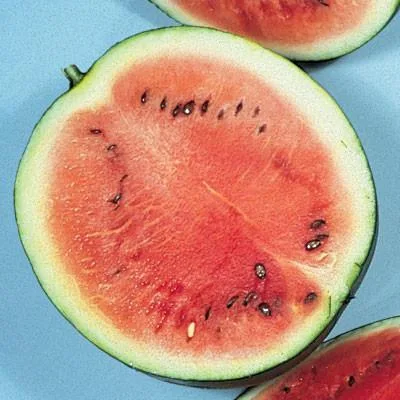
    Sugar Baby Watermelon
    This variety is a smaller 8 to 12lb watermelon that is filled with sweet goodness. The firm solid flesh is bright red, crisp and delicious with small brown seeds.

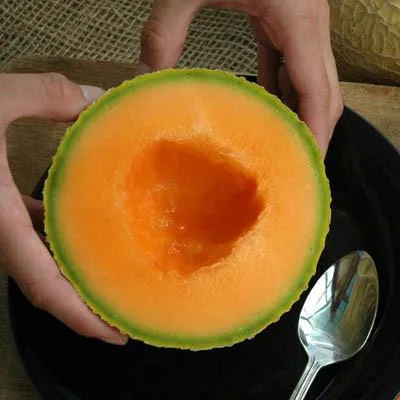
    Sugar Cube Muskmelon
    This melon is personal-sized coming in at 2lbs. Although Sugar Cube is small it's big on taste with it's sweet deep orange flesh that has a superb eating quality.
    Join us next week for Part 2 of the 2018 Season Preview!