• Published on

    Fall Festival Recipes

    We want to thank everyone who stop by our booth last Sunday to say hello and make a purchase, it was so awesome to meet you all!

    One question that kept coming up over an over again was how to prepare and cook winter squash. We've provided several basic recipes below to help you with that! 
    Buttercup Squash with Apples
    Make the most of winter squash when you pair it with apples and brown sugar!

    Ingredients
    1 buttercup or other winter squash
    1/2 c chopped tart cooking apple
    2 tsps packed brown sugar
    2 tsps butter or margarine, softened
    1/2 tsp lemon juice
    1/8 tsp ground cinnamon or nutmeg

    Instructions
    Heat oven to 400. Cut squash in half; remove seeds and fibers. Place squash halves, cut side up, in ungreased baking dish. Mix remaining ingredients; spoon into squash halves. Cover and bake 30 to 40 minutes or until squash is tender.
    Basic Blue Hubbard Squash
    You're asking yourself how the heck do I cook this thing...

    ​Ingredients
    1 Hubbard Squash (you pick the size)
    1 stick butter, halved
    salt and pepper

    Instructions
    Pre-heat the oven to 375. Fill a large casserole dish or baking pan with about ½ inch of water; set aside. Take the Hubbard squash and cut in half length-wise much like you would a watermelon (becareful not to cut yourself). Scoop out the seeds and discard them. Place the squash cut side up in the pan with water. Using a fork poke holes into the inside of the squash. Salt and pepper the squash. Add butter into each of the squash halves. Cover the pan with foil paper and bake in the oven for 1 to 1½ hours until the squash is fork tender. Remove from the oven and allow to cool. Using a large scoop or spoon to remove the squash from the shell and mash until a smooth consistency. Eat as is or add herbs and spices.
    Roasted Acorn Squash with Cinnamon Butter
    A little bit of cinnamon goes a long way and it's so good!

    Ingredients
    2 acorn squash, unpeeled seeded and quartered
    1 tbsp olive oil
    4 tbsp butter
    salt and pepper
    1/8 tsp cinnamon

    Instructions
    Preheat oven to 450 degrees. On a large rimmed baking sheet, toss squash with oil; season with salt and pepper. Arrange on sheet, cut side down, and roast until easily pierced with a paring knife, 35 to 45 minutes.

    In a small saucepan, melt butter over medium heat, stirring, until golden brown, 4 to 6 minutes. Immediately pour into a small bowl; stir in cinnamon. Place squash on a serving platter; top with cinnamon butter.
    Cheesy Garlic Parmesan Spinach Spaghetti Squash
    Cheese, garlic and parmesan, fu-get-about-it.

    Ingredients
    1 spaghetti squash
    1/4 c butter
    3 cloves garlic, minced
    2 tbsp fresh basil, chopped
    2 tbsp flat leaf parsley, chopped
    salt and pepper
    1/2 c parmesan cheese + more for serving

    Instuctions
    Preheat the oven to 400. Carefully cut the squash in half lengthwise. Scoop out the seeds. Place the halves cut side down in a shallow baking dish. Add a bit of water, just enough to cover the bottom of the pan. Cook squash for 30 to 45 minutes. Squash is done when you can easily pierce the side with a knife. Allow squash to cool a bit, then carefully scrape the flesh out with a fork, which will separate it into spaghetti like strands. Heat the butter in a large skillet, over medium heat. Once the butter has melted, add garlic and cook until it begins to turn golden. Remove the skillet from the heat and add the shredded spaghetti squash, basil, parsley, Parmesan cheese, salt, and pepper. Toss to with tongs to combine.
  • Published on

    We made the farm tour!

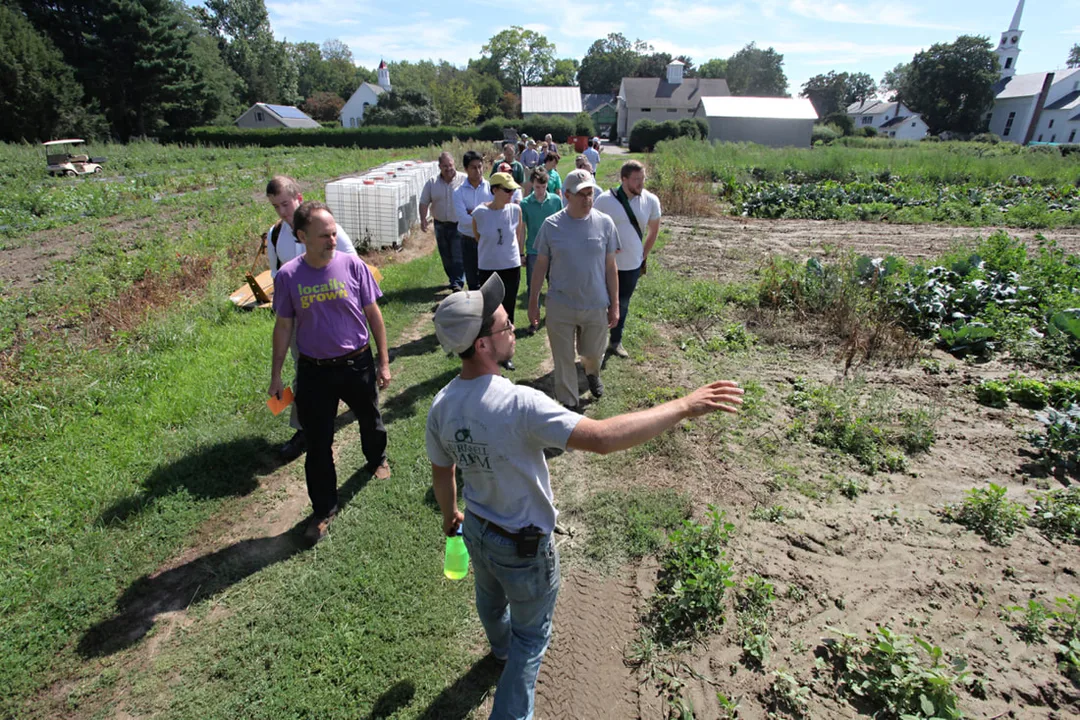
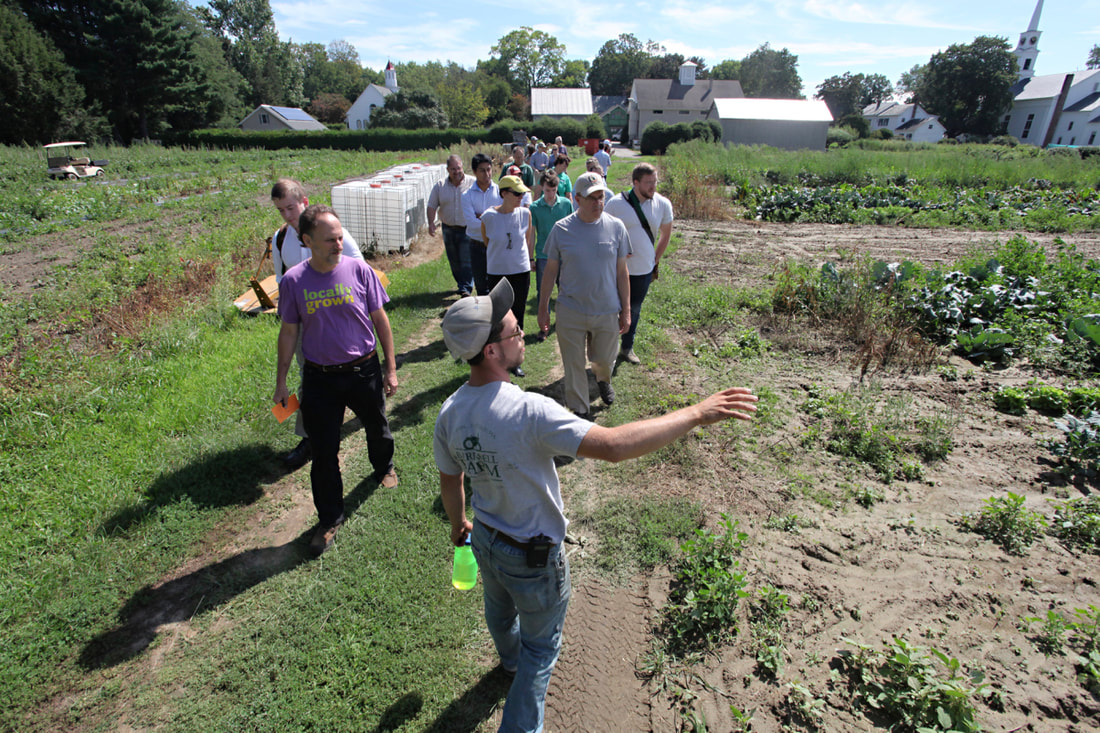
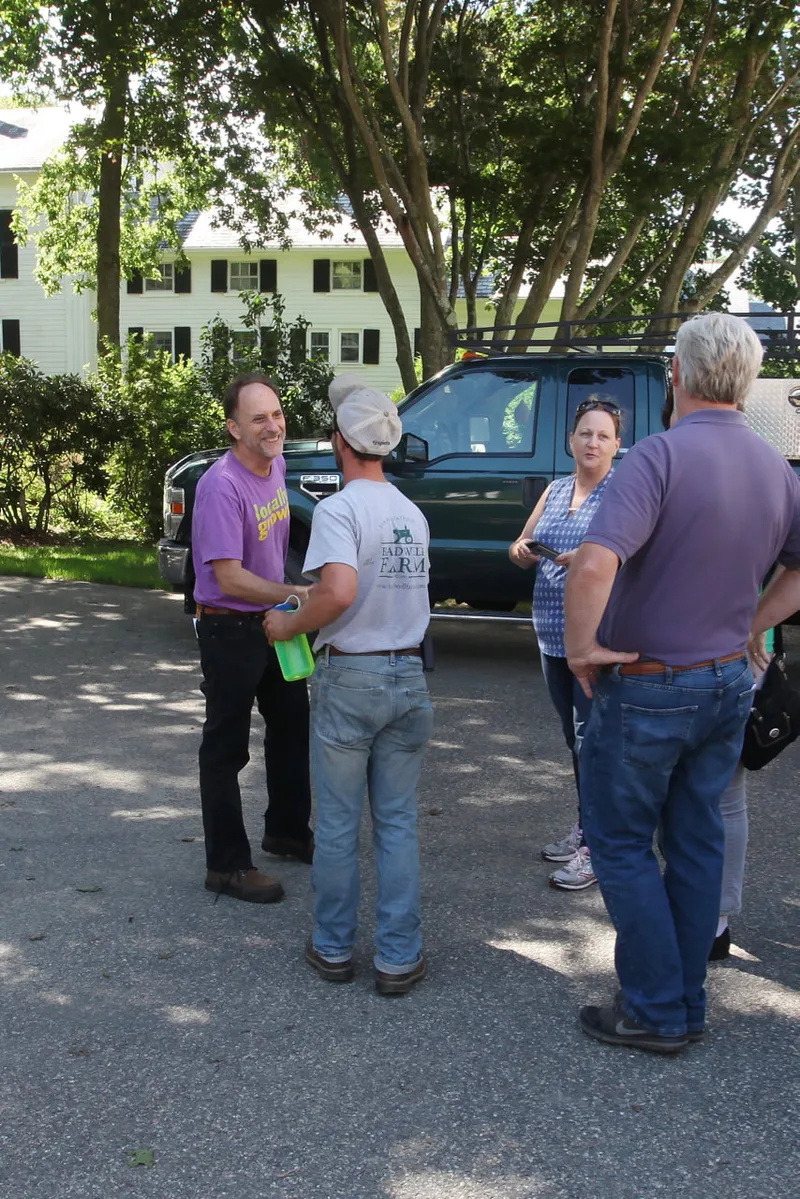
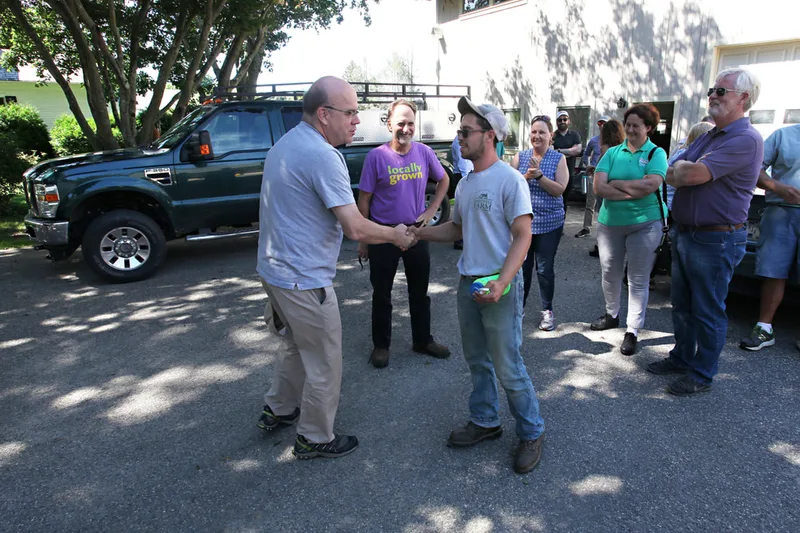
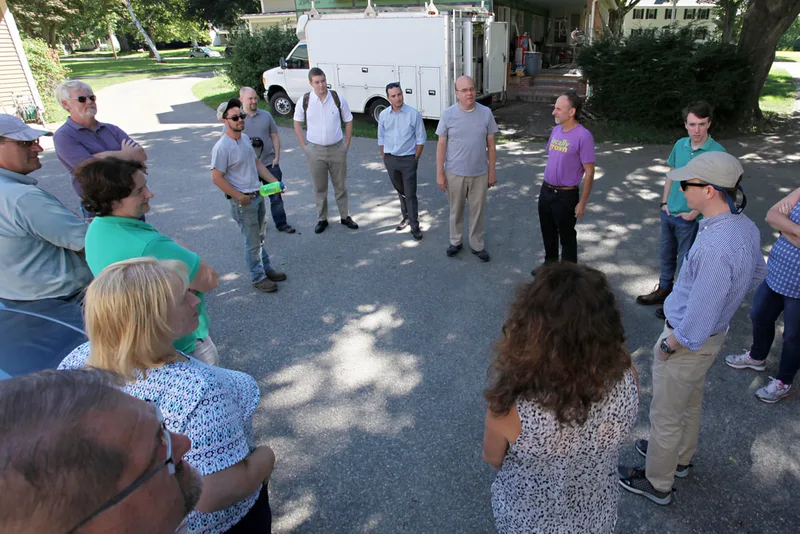
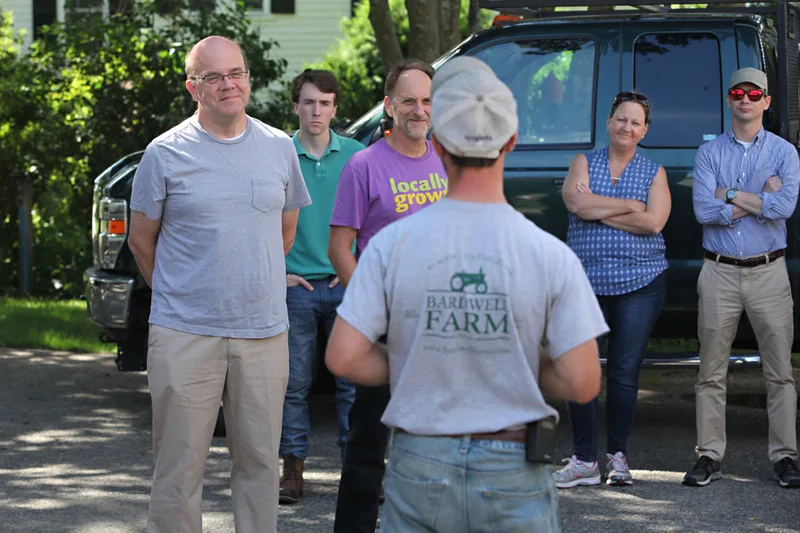
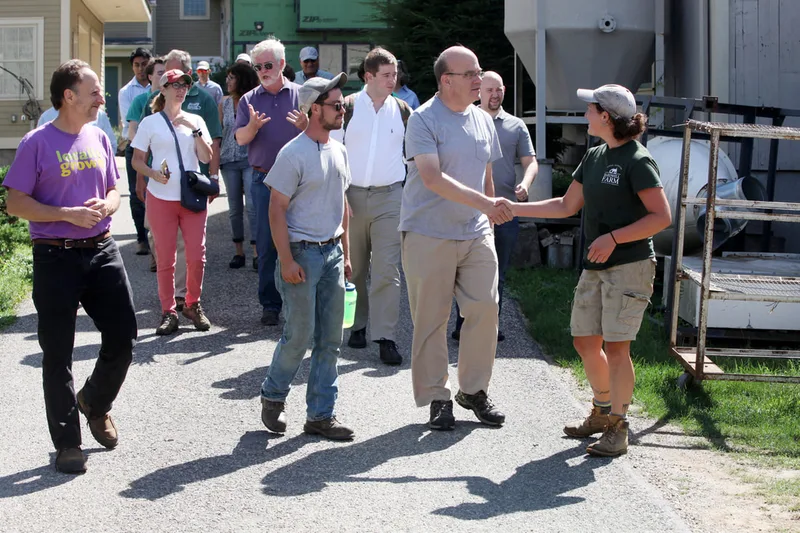
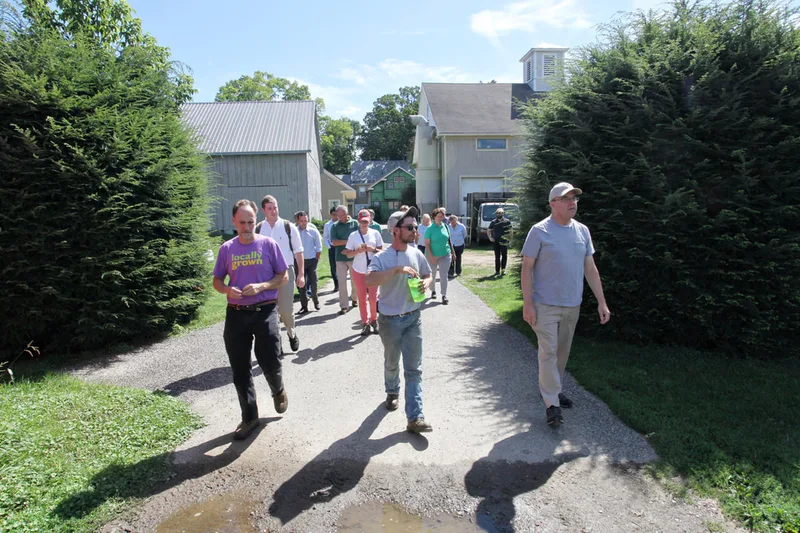
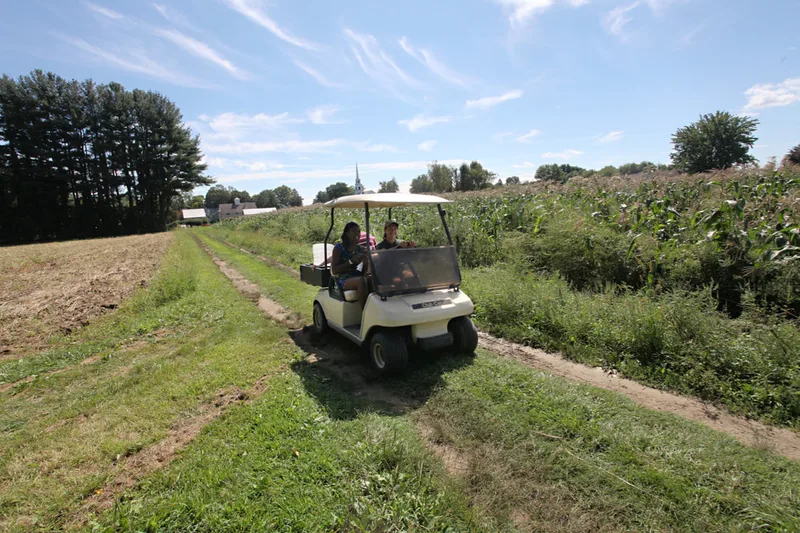
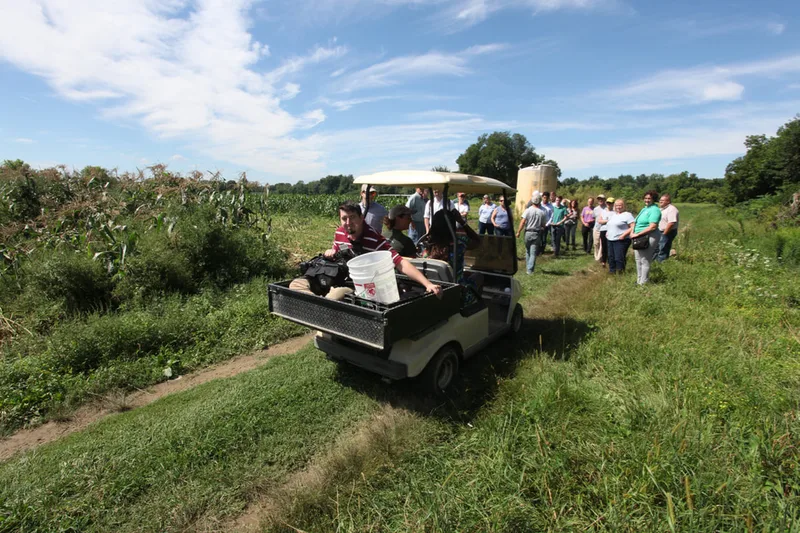
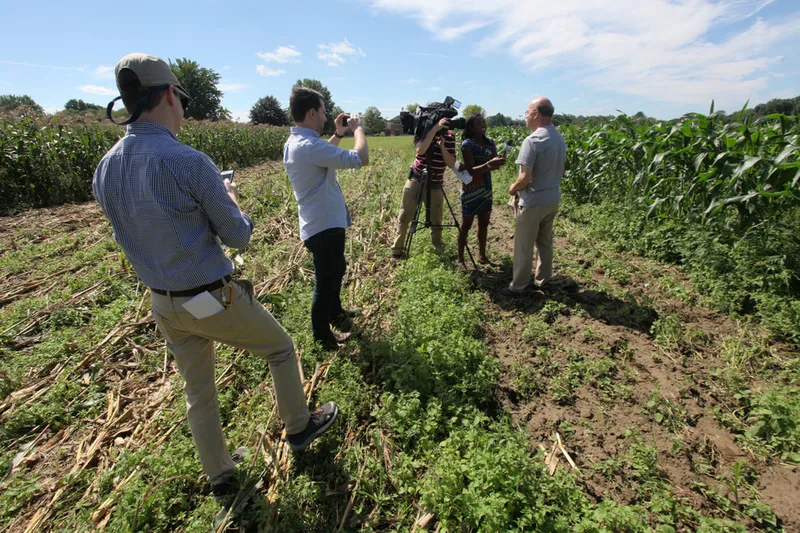
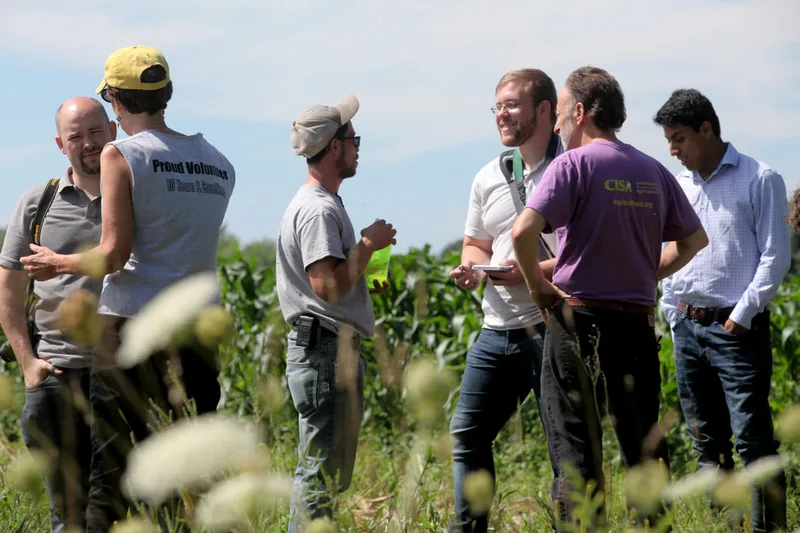
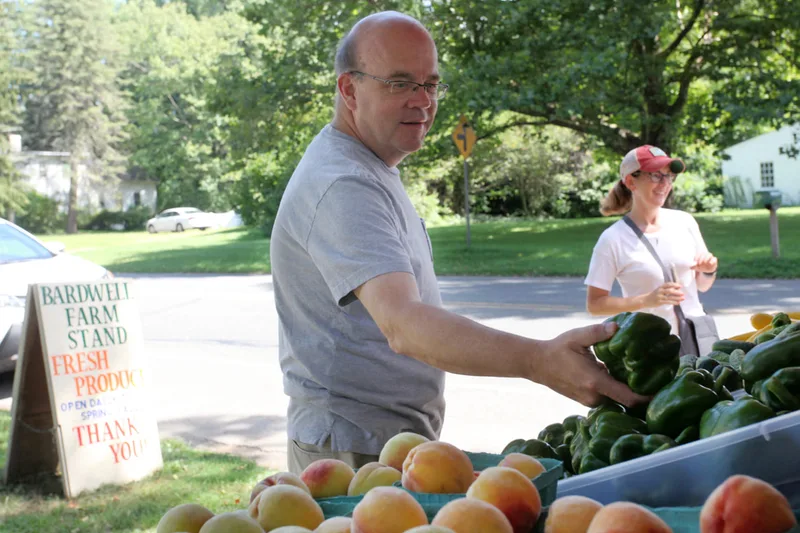
    This week, U.S. Representative Jim McGovern hosted the 7th Annual Agricultural Tour to meet with farmers, agricultural producers, non-profit farming organizations and community development corporations in Central and Western Massachusetts to highlight the success of our region’s agricultural industry, its role in growing the local economy and addressing issues in farming. 

    I am so thankful Bardwell Farm was chosen as one of the stops on the tour. It was amazing really, the congressman spoke directly to me, listened to my story and the battles that beginner farmers go through on a daily basis. Even though I was blessed with land and equipment, farmers who are just starting out struggle to purchase and maintain those things. Also, if you take into consideration how young farmers have to somehow break into wholesale and retail markets, it's really-really tough. My hope was to bring some kind of awareness to all of this. We farmers have to stick together, we are a dying breed.
    Picture
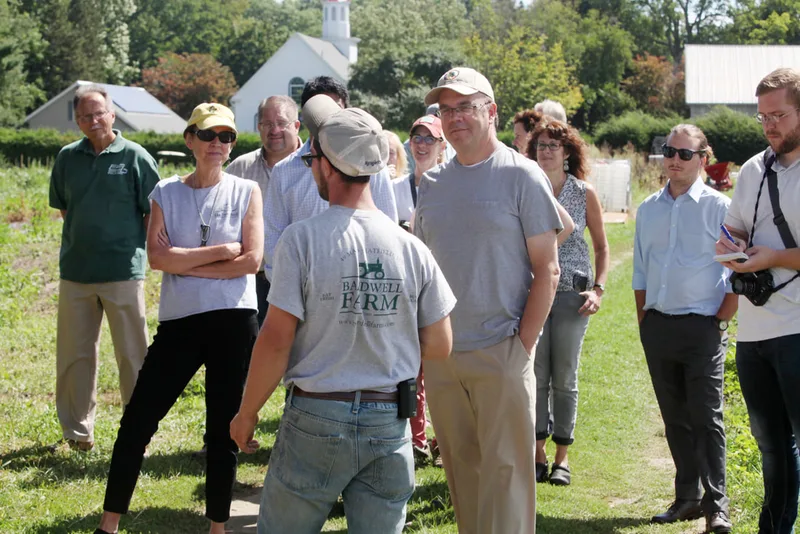
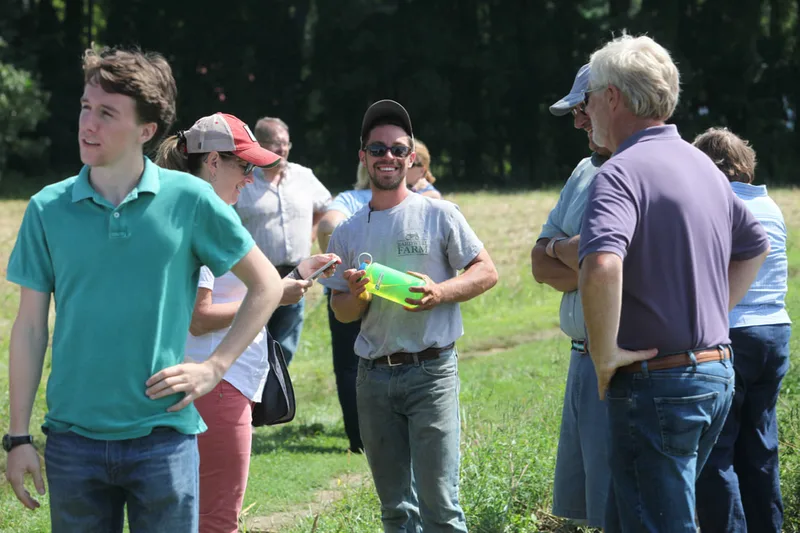
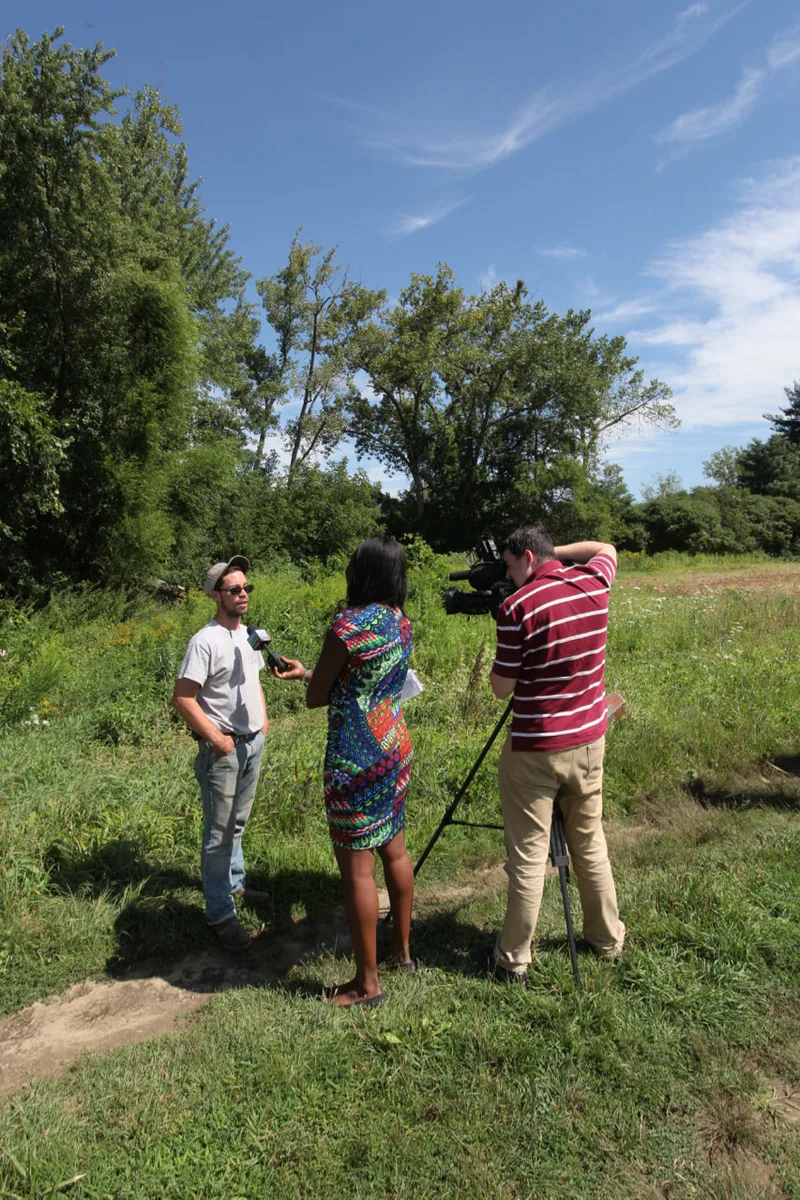
    The tour started with a brief introduction and a surprise. What I thought was going to be the congressman and a couple of staff turned into 20, including folks from the USDACISANRCS, support staff, local businesses and farmers, and several media organizations. I talked about the history of Bardwell Farm, what inspired me to go into farming and why I love it so much.
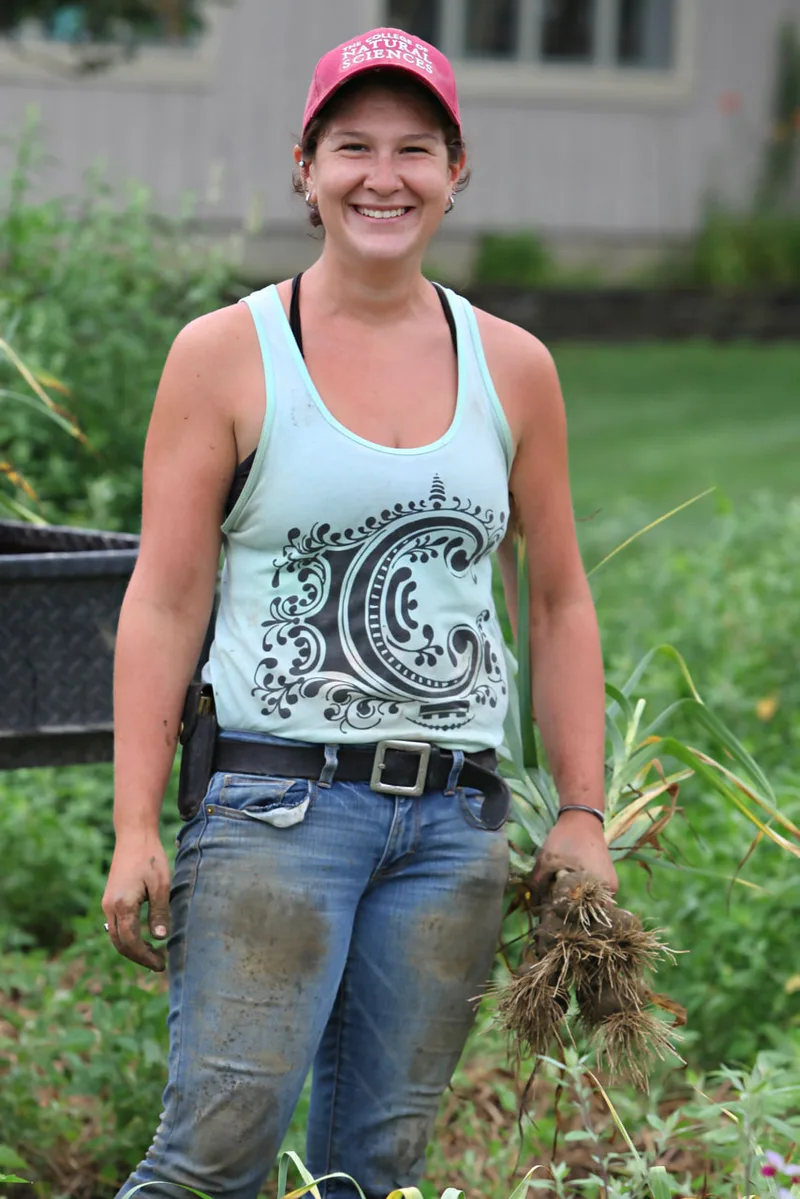
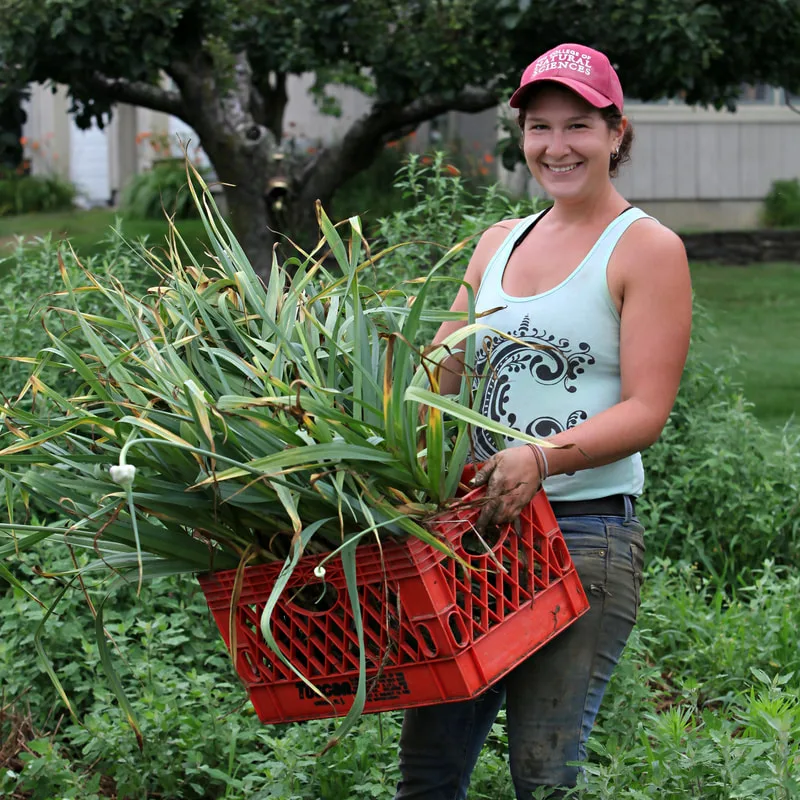
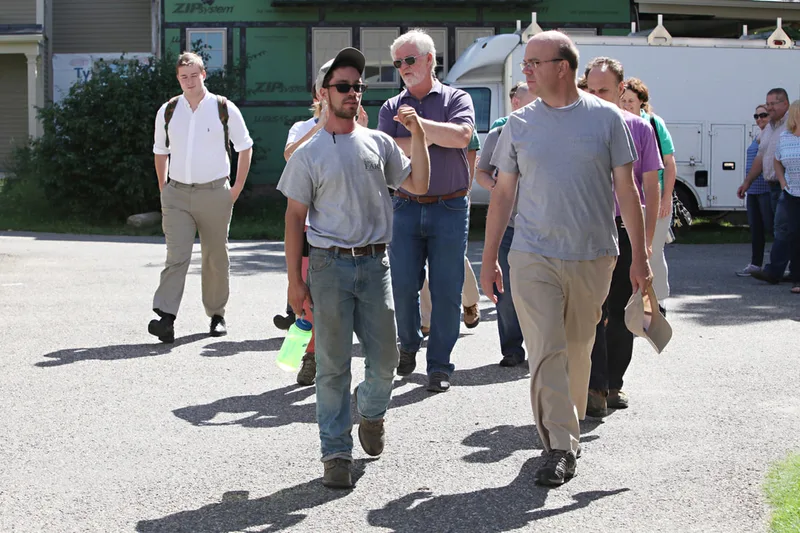
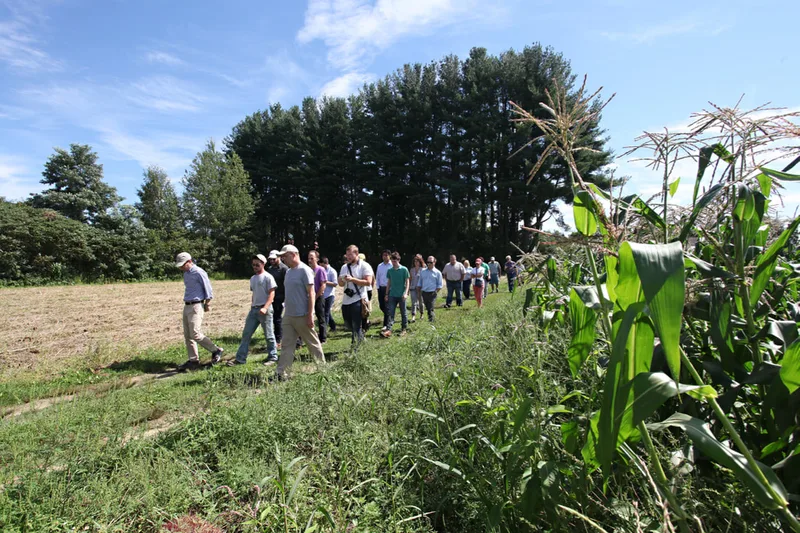
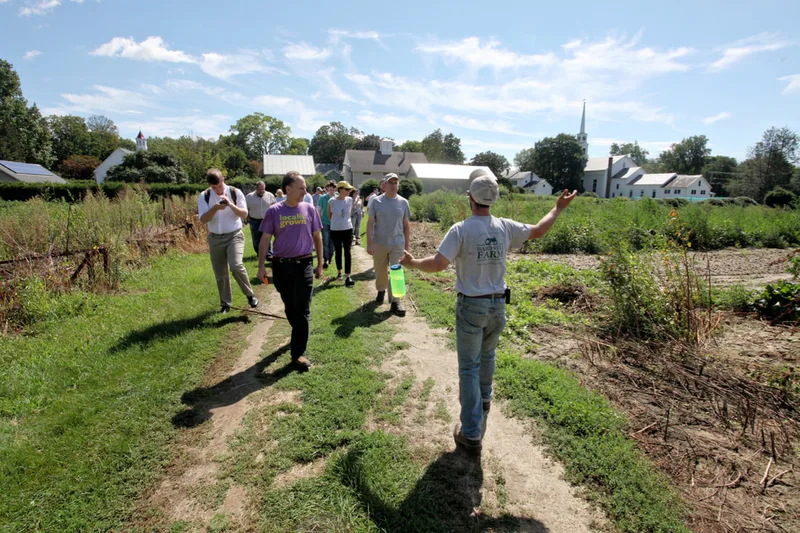
    After we walked one of our fields and I explained why we like to grow smaller settings of a variety of fruits and vegetables instead of just one really large crop. I also talked about the importance of timing settings so our farmstand stays stocked all season with plenty of product.

    We moved onto education and farming, collaboration between farmers, farmers helping farmers, and marketing with social media and competing in the digital marketplace.

    I expressed the desire to expand my operation and the congressman and his staff brought many ideas to the table including grants to help with solar energy, greenhouses and the possibility of opening a farm store.
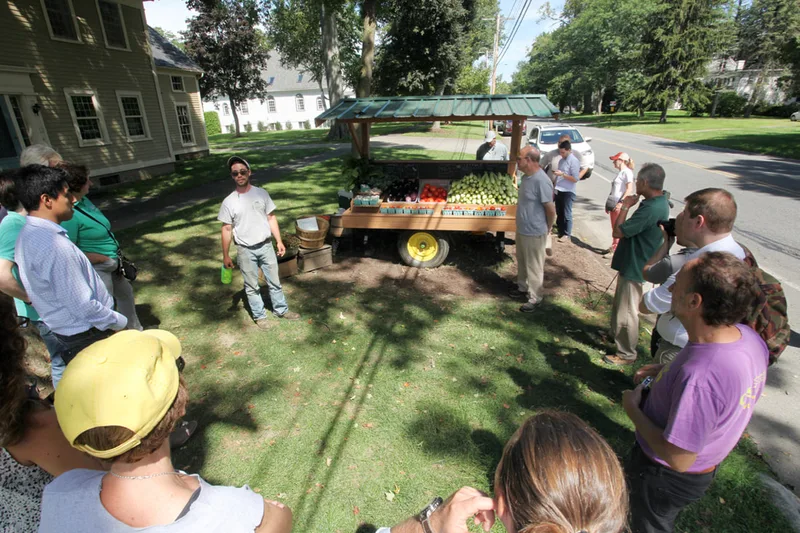
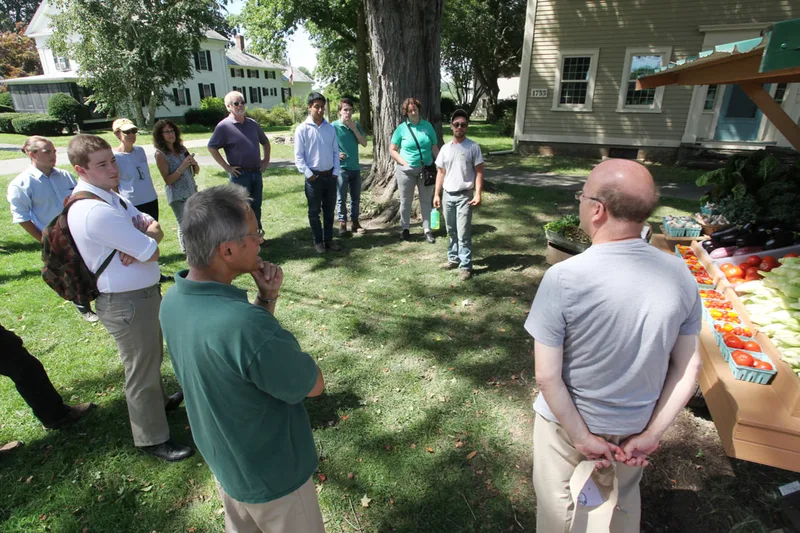
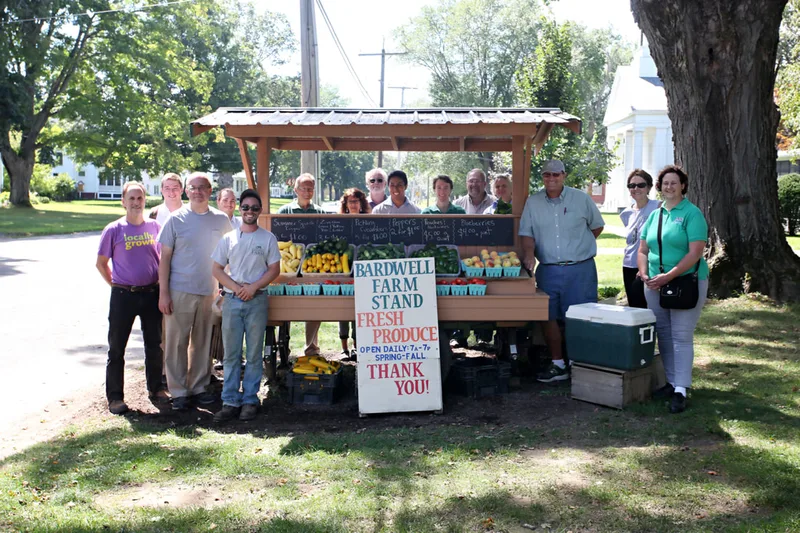
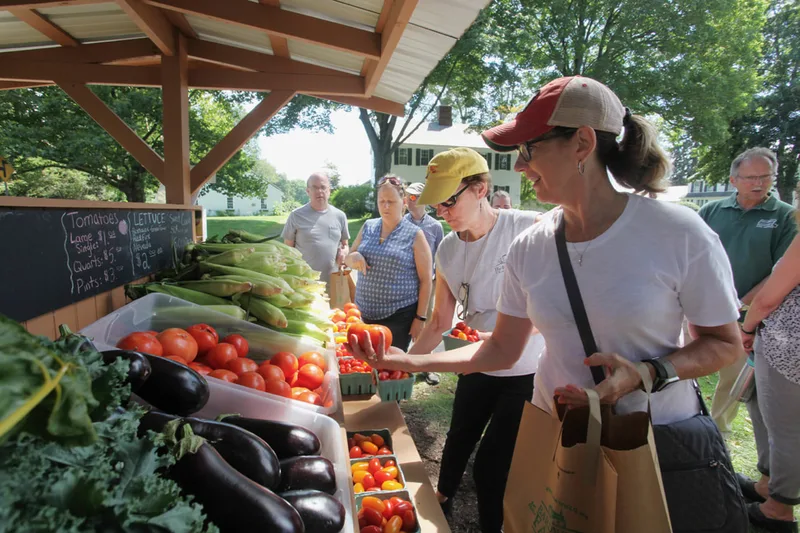
    The tour ended at the farmstand so we could show our finished product and hard work. We took a group photo and almost everyone purchased something. It was kind of funny, our regular customers were there too and wondered what was going on, it was awesome and I enjoyed every minute of it! 
    I want to thank U.S. Representative Jim McGovern for including Bardwell Farm in the tour. I also want to thank the congressman, his staff, the agencies and all the other folks who genuinely listened to everything I had to say and providing new ideas that would improve my operation.

    All-in-all it was such an amazing experience and I am very thankful and proud.
    A heartfelt thank you to my grandfather and mentor Cory Bardwell for teaching me to farm. I wish you were here today to see all of this.

    A huge thank you to all the farms who help me everyday, especially you Tony, your guidance and friendship is important to me.

    Thanks to Rick at Rocket Strategies for pushing me, creating a solid marketing plan and making me look good on the interwebs everyday... you're crazy.

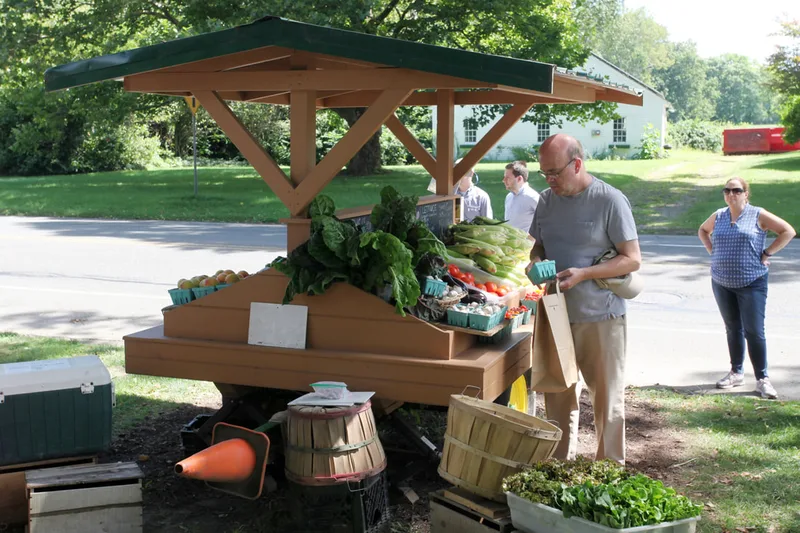
    A special thank you to farmhand Kaitlyn for your friendship, support, hard work and always making everything just so. The stand looked beautiful today (all the while battling a bee sting). Farmers til' the end!

    Related:


    For more Homegrown News subscribe to my newsletter!

    Like or Tweet this article to a friend by clicking the badges below. Thank you for your support.
  • Published on

    Did You Know: Tomatoes

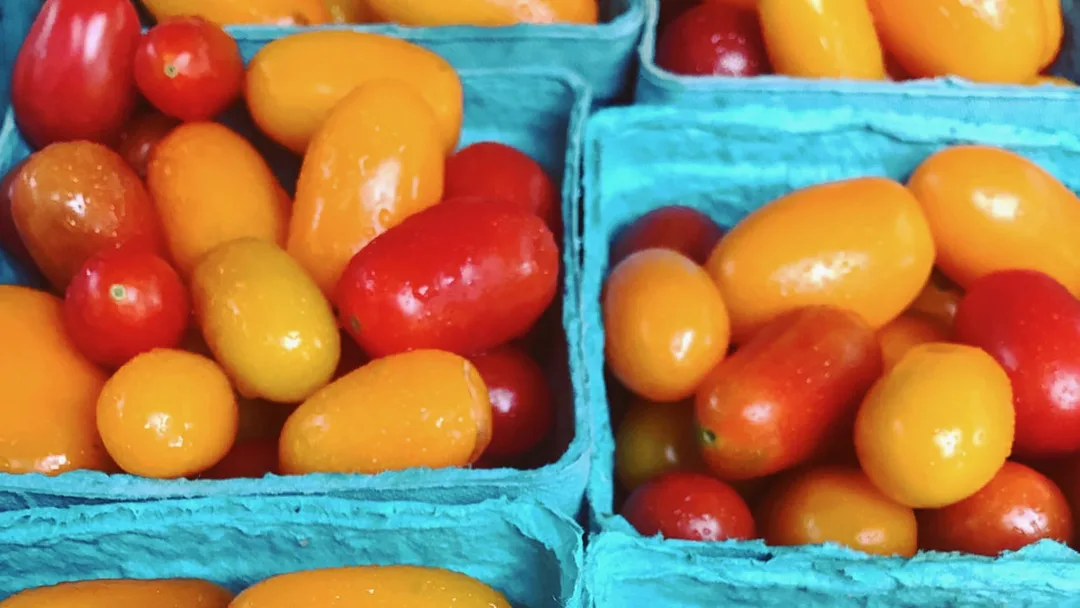
    It's tomato season and we're stocking multiple varieties of mixed grape, plums and classic rounds. Whether your making sandwiches, simmering sauce or just snacking, tomatoes are really good for you. Find out why our summertime favorite is so healthy!
    Picture

    Colorful Nova and Five-Star mix are sweet, perfect for roasting, salads and snacking

    The tomato is one of the healthiest salad foods because it contains lycopene, which offers protection from some cancers and compounds to help prevent blood clots.

    Tomatoes are a major source of dietary lycopene, a carotene antioxidant that fights heart disease and may help prevent cancer. Tomatoes also have a anticoagulant effect because of the salicylates contained in them. They also contain several other antioxidants including vitamin C, quercetin, lutein. Tomatoes are low in calories but high potassium and contain useful amounts of fiber.

    The Good Stuff:
    • excellent source of lycopene which helps prevent some cancers, improves cholesterol and protection of skin from UV rays
    • one medium tomato contains nearly a quarter of the recommended intake of vitamin C for an adult
    • rich in potassium to help regulate bodily fluids
    • quercetin and lutein content helps prevent cataracts in keep heart and eyes healthy
    • contain salicylates, which have an anticoagulant effect
    •  tomatoes also contain vitamin A and vitamin K

    Facts:
    • peak season May to August
    • tomatoes are composed of about 95% water
    • lycopene is actually more active in processed tomato products such as ketchup, tomato paste and tomato juice than it is in a raw tomato
    • diabetics... Rosso Bruno Tomatoes a brown hybrid of wild varieties have double the amount of fiber to help keep blood sugar stable

    Tips:
    • the more colorful the tomato the higher the content of lycopene
    • vine ripened tomatoes also contain more lycopene than those ripened right after picking
    • the tomato peel is richer in nutrients than the flesh
    • the lycopeneIn in raw or cooked tomatoes is better absorbed in your body if it is eaten oil such as salad dressing


    For more Homegrown News subscribe to my newsletter!

    Reference: 100 Best health Foods, Eat This Not That, Cooking Light What to Eat
    Like or Tweet this article to a friend by clicking the badges below. Thank you for your support.
  • Published on

    Did You Know: Peppers

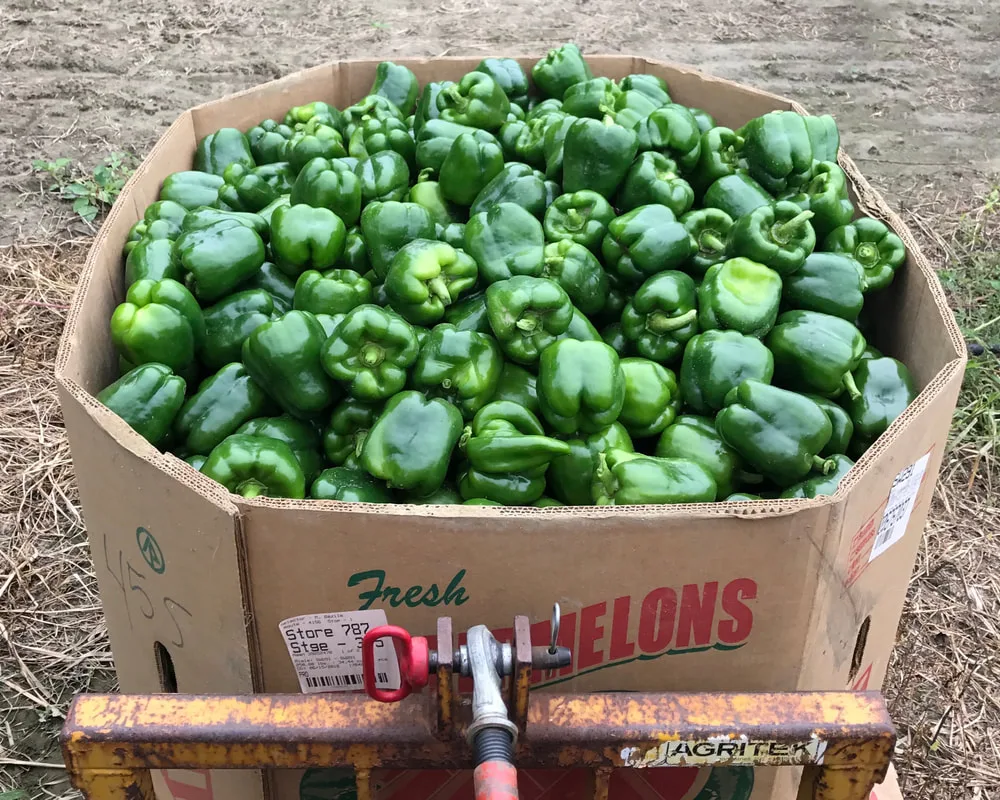
    We've been picking peppers for several weeks now and the yields have been promising. Every time we harvest I can't help but think about what goes on inside the individual fruit I pick. It turns out peppers are really-really good for you and help prevent so many health issues. Find out why peppers are so amazing by reading more below!
    Picture
    Bright colored peppers contain high levels of carotenes for heart health and cancer protection, and are also a rich source of vitamin C.

    Peppers come in a variety of colors but the red and orange ones contain the highest level of vitamin B6 and carotenes. However all of them are extremely rich in vitamin C with an average serving producing more than a days recommended intake. In general, the deeper color of the pepper the more beneficial plant compounds it contains. These include bioflavonoids, to protect against cancer, and phenols which helped block the action of cancer-causing chemicals in the body. Peppers also contain plant sterols, which may have an anticancer effect.


    ​The Good Stuff:
    • rich source of a range of vitamins, minerals and plant chemicals
    • extremely rich in antioxidant vitamin C and an excellent source of antioxidant vitamin E
    • several components are strongly anticancer
    • good source of fiber
    • high lutein levels protect from macular degeneration
    • good source of vitamin B6 for reducing blood homocysteine levels; high levels of this have been linked to increase risk of heart disease, stroke, Alzheimer's disease and osteoporosis

    Facts:
    • peak season July to December
    • red peppers have 10 times more vitamin A and three times more vitamin C than their underripe green counterparts
    • red peppers have three times more vitamin C than an naval orange
    • peppers are native to South America and date back about 5000 years
    • peppers were introduced to Europe in the middle ages by Spanish and Portuguese explorers

    Tips:
    • peppers can be refrigerated for up to two weeks
    • the carotene in peppers are made more available to the body if they are coated and eaten a little oil
    • roasting concentrates the pepper's flavor, after charring on the grill or under a broiler put them in a sealed paperback to sweat, the skin will come off easy
    • fresh bell peppers can be seeded, sliced and frozen into plastic bags


    For more Homegrown News subscribe to my newsletter!

    Reference: 100 Best health Foods, Eat This Not That, Cooking Light What to Eat
    Like or Tweet this article to a friend by clicking the badges below. Thank you for your support.
  • Published on

    Good Garlic

    Just like everything else in farming garlic has it's own unique process. From when we plant, to when it's out on the farmstand there are a bunch of steps in between. It's so important to know your food and your farmers that we are going to share the process with you!
    Picture
    It all starts in the fall, just about mid-October. We plant one clove 6" inches in between the next, 1' foot apart and in 3 row sections. 

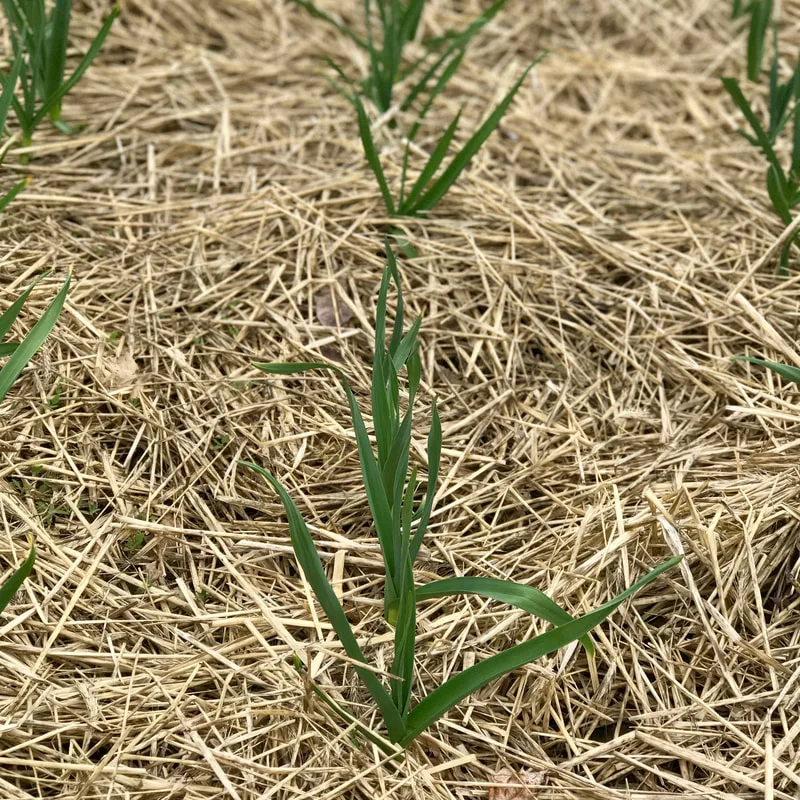
    The beds are then covered in straw. The straw provides winter insulation and weed management for the following season when it gets warm.

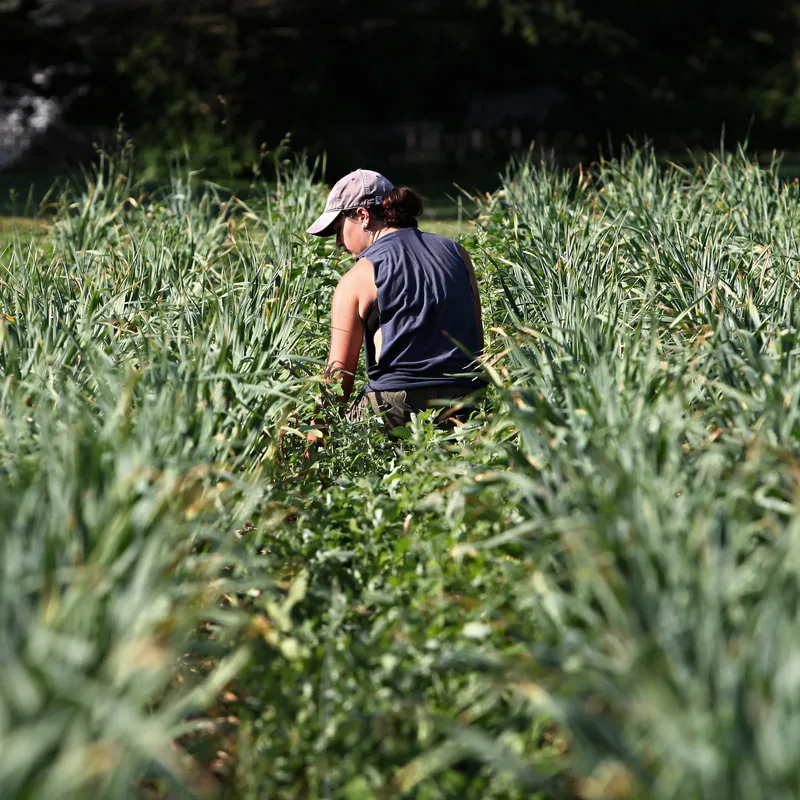
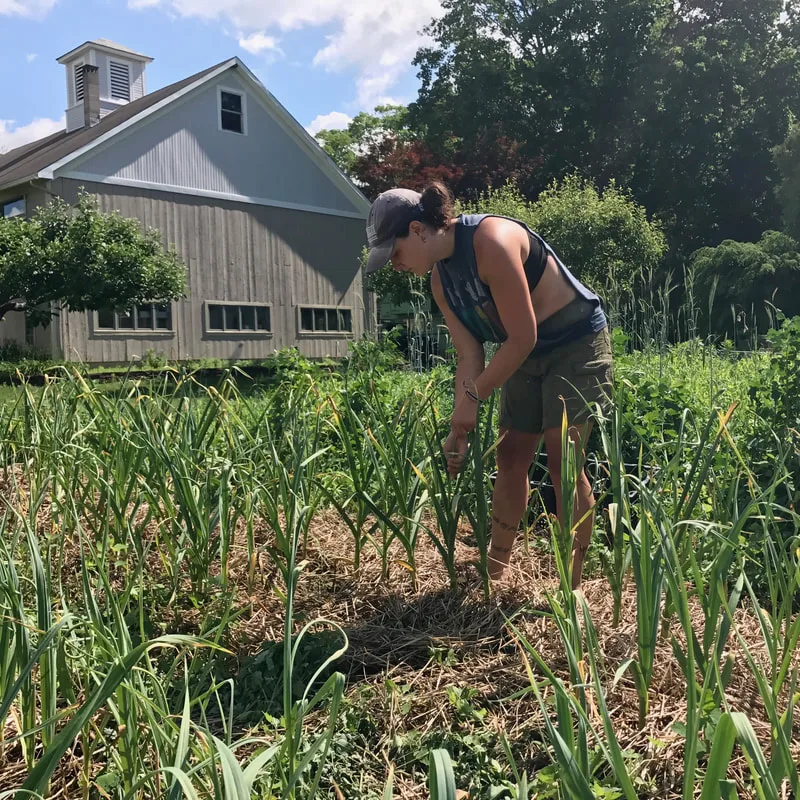
    In the spring it pops through the straw. From early spring until about mid-June we cultivate, keeping the beds clear of weeds that would rob the bulbs of its nutrients.
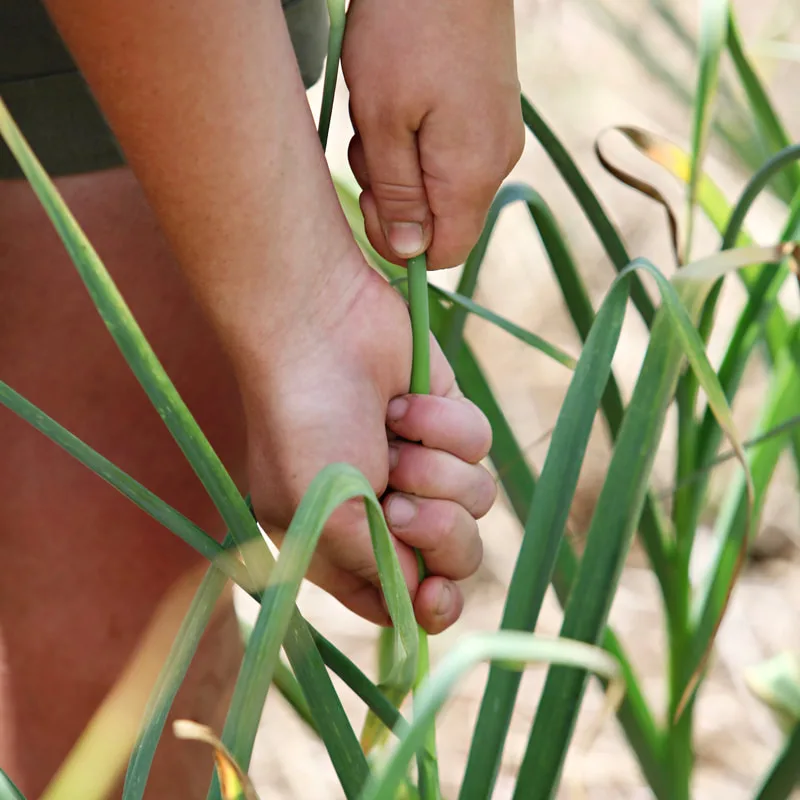
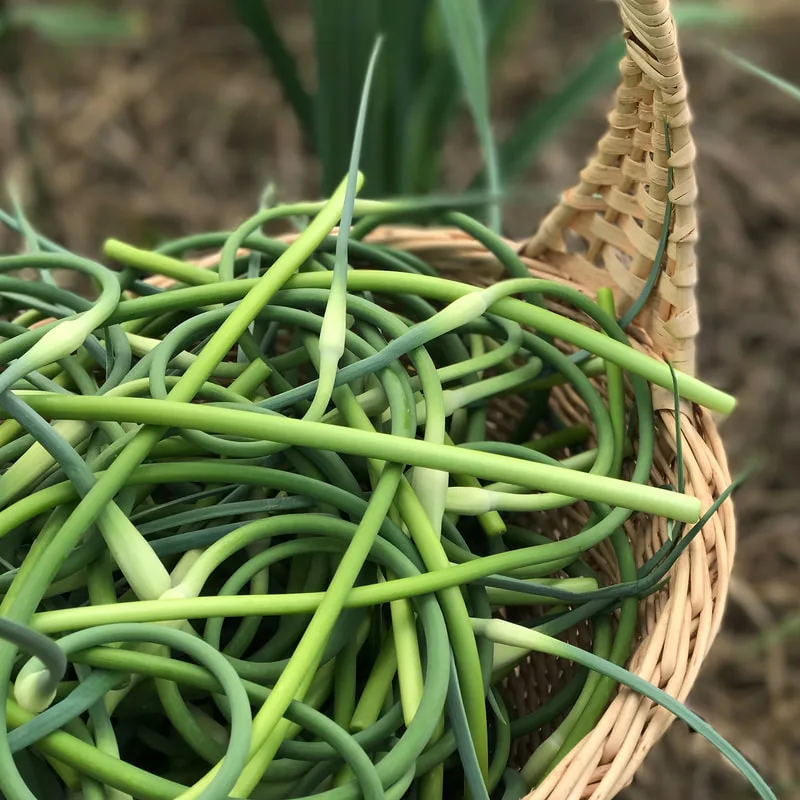
    During this time we are also harvesting the scapes. It is the flower and stem that blooms from the garlic bulb. Scapes are a delicacy in the cooking world and are sold, but more importantly, by harvesting those, it provides more nutrients for the plant and in the end produces a bigger bulb.
    If you ever see scapes at our stand or at a farmers market, grab some and experiment. Use them just as you would regular garlic, they are really tasty!
    From June forward the plant begins to die back. When the greens turn brown we begin to hand pull the stocks them from the soil. 
    Some farms use broad forks and undercutting machines, but we do it the old fashioned way
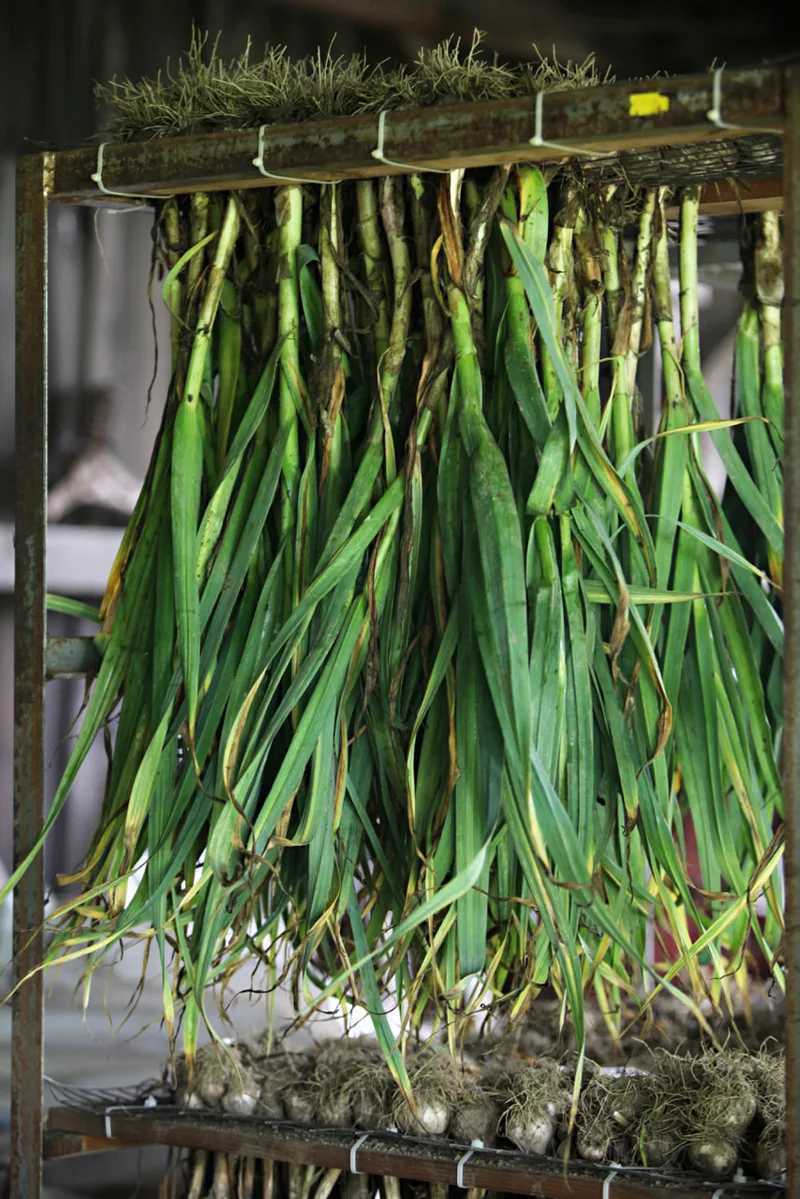
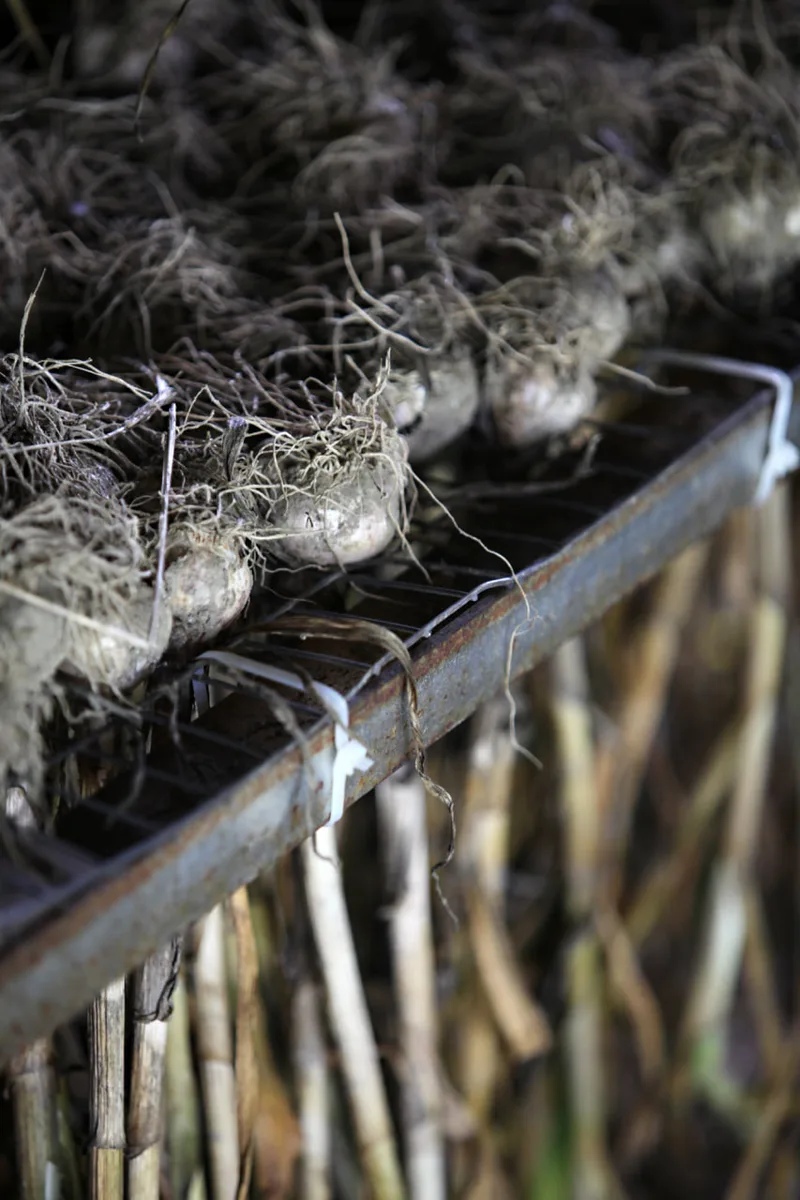
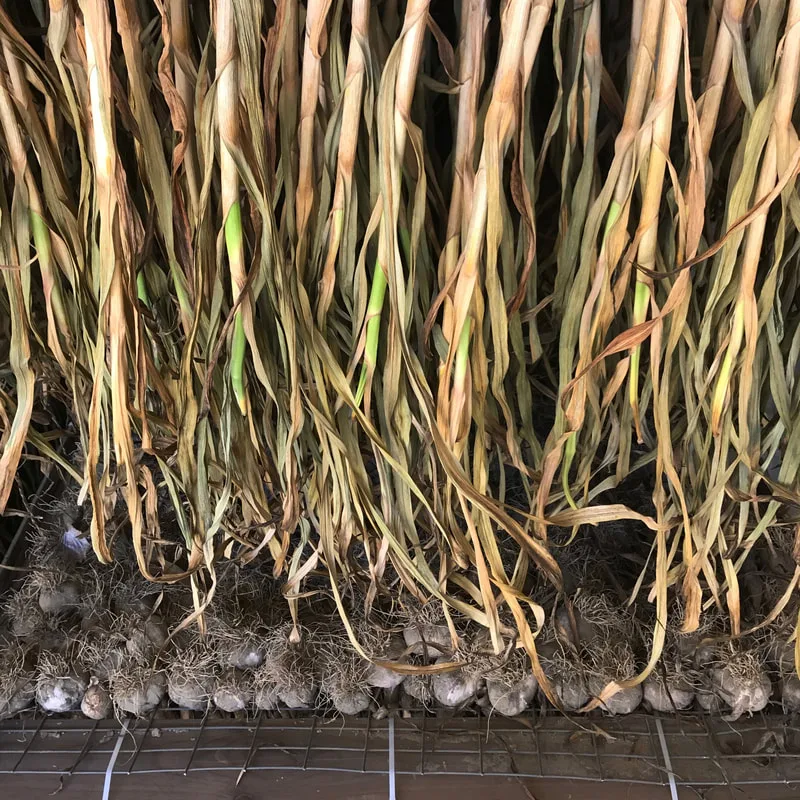
    When the harvest is complete we brush the soil from the bulb and rack them. We then store them in a cool dry place, it's just like curing. A fan is also setup to blow air through the stocks to speed up the process. They then have to sit for several weeks and dry before we groom them for the farmstand.
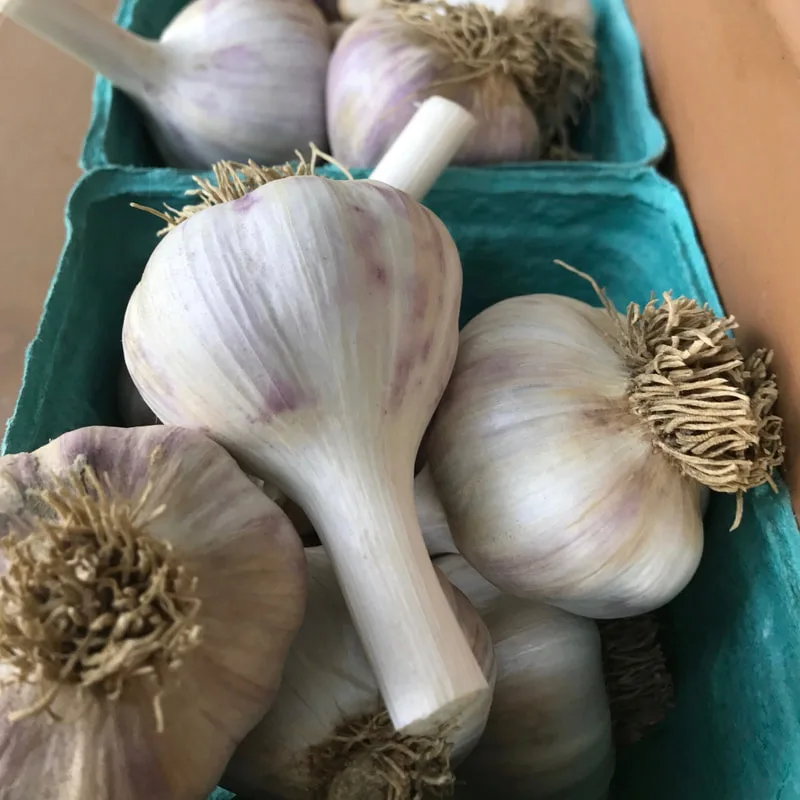
    After the bulbs have finished curing we cut the stocks down to 1" inch. We also trim the roots and clean the bulb by hand, pulling back 1 to 2 layers of the skin that surrounds the cloves.
    Picture
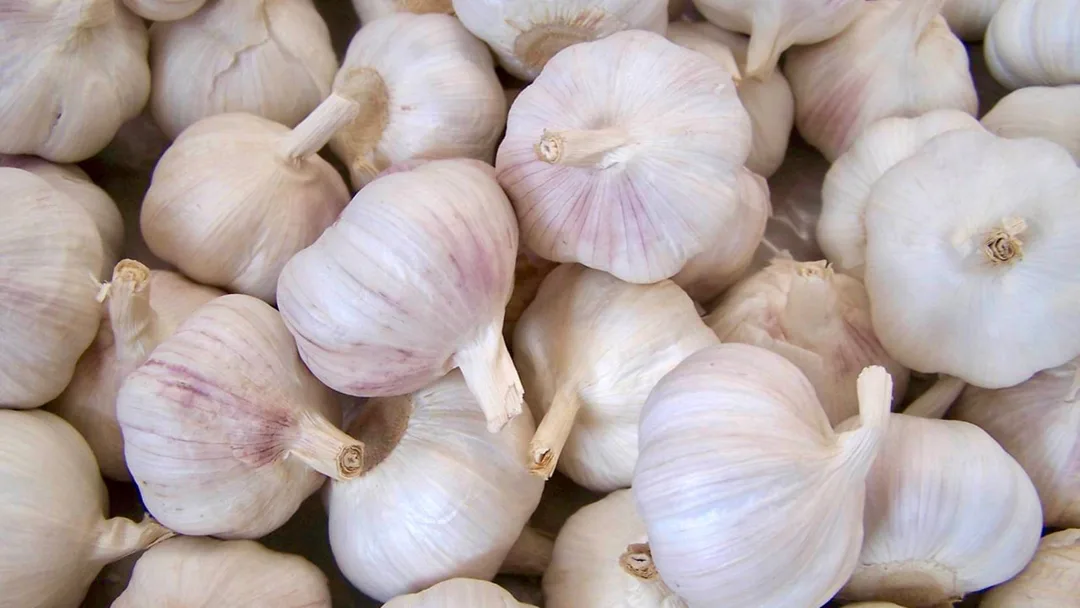
    And the finished product, beautiful Mount Hood Garlic! 

    We bet you didn't know how much work goes into all those little bulbs you see on the supermarket shelves everyday :) 


    ​For more Homegrown News subscribe to my newsletter!

    Like or Tweet this article to a friend by clicking the badges below. Thank you for your support.