• Published on

    Here we grow...

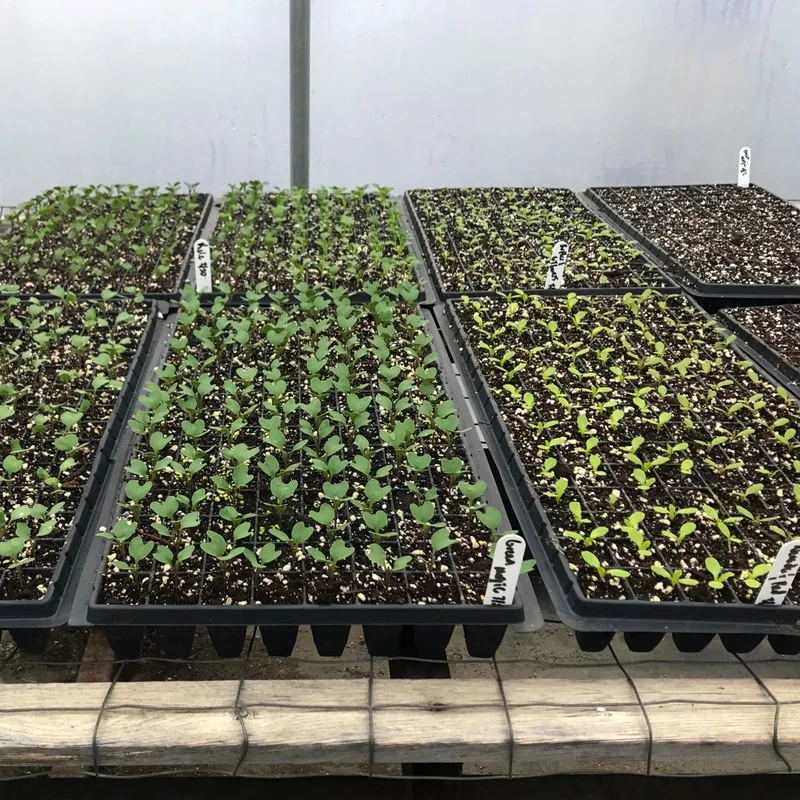
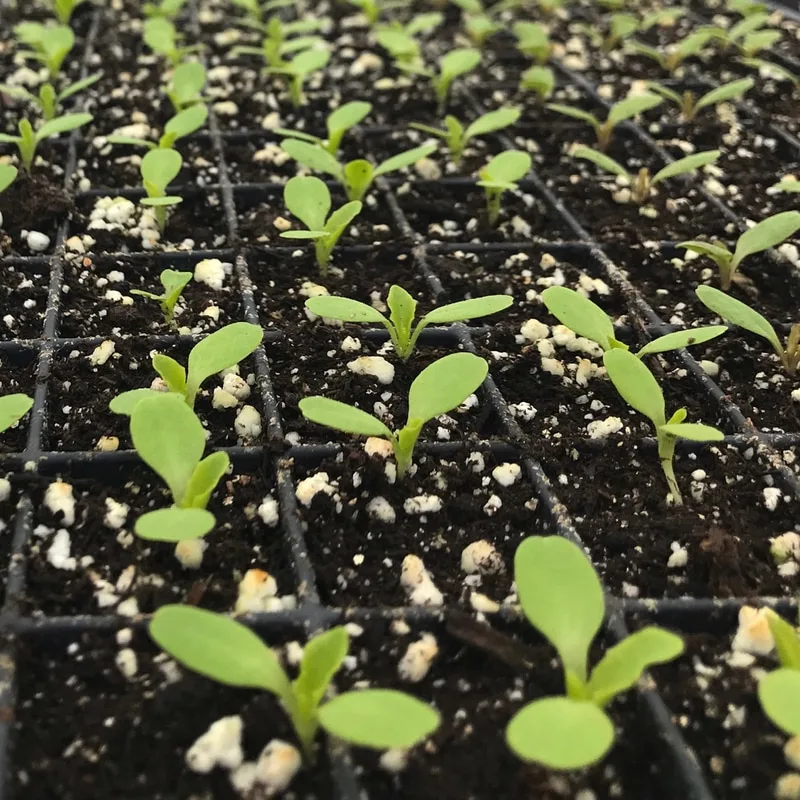
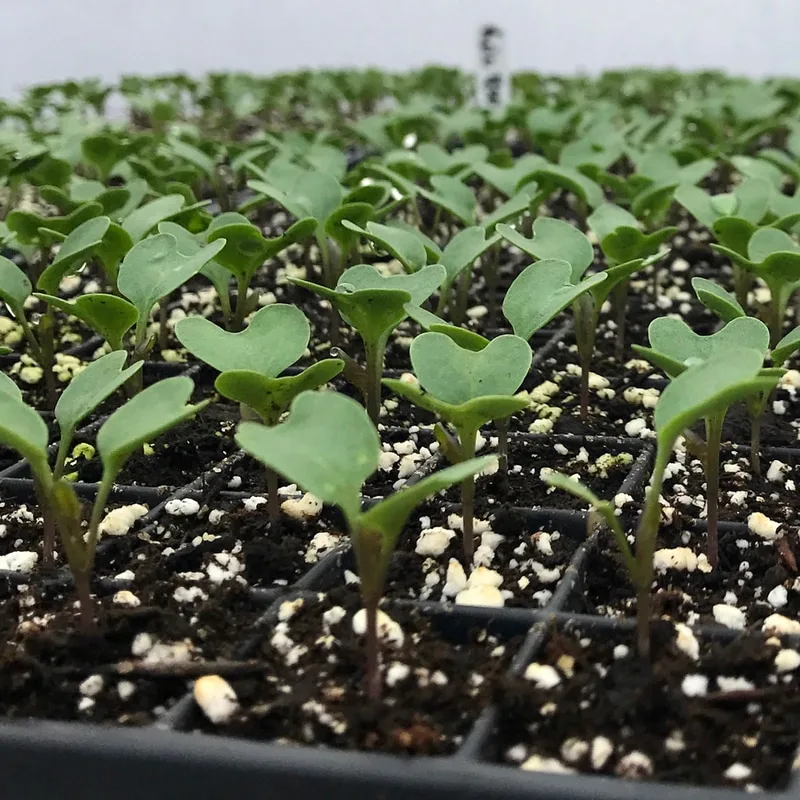
    First setting of spring veggies are up! All over good vibes seeing the broccoli, cabbage, and leafy greens doing so well. 

    We're keeping the greenhouse 70° and watering in the morning every day to ensure good germination. The potting soil has enough nutrients and water holding capacity to start and maintain the seedling, but as they get bigger they will need a little more food.

    Getting closer to opening! It's just around the corner and I'm stoked. Hope you are too!
    For more Homegrown News subscribe to my newsletter!

    Like or Tweet this article to a friend by clicking the badges below. Thank you for your support.
  • Published on

    Did You Know: Asparagus

    Hatfield asparagus is known far annnnnnd wide and its almost here! Every time we put this out on the stand we get excited, it kicks off the season, and folks drive from all over to grab a few bunches. Not only does the "lobster" of vegetables taste incredibly good, ​it's a superfood. So many health benefits, we lost count!
    Asparagus is an anti-inflammatory (reduces inflammation in the body) and contains a type of fiber that keeps the digestive system healthy. The plant chemical glutathione contained in asparagus has been found to be an anti-inflammatory and may help rheumatoid arthritis symptoms. This vegetable is also rich in soluble fiber oligosaccharide, which acts as a prebiotic in the gut by stimulating the growth of friendly bacteria. It is also a valuable source of vitamin C, folate, magnesium, potassium, and iron. Unusually for a vegetable, it is a good source of vitamin E, an antioxidant that helps keep the heart and immune system healthy.

    The Good Stuff:
    • folate and glutathione protects the heart by helping to reduce inflammation
    • fiber content acts a prebiotic for gut health
    • good source of important vitamins including vitamins E
    • rich in iron, promoting energy and healing, and helps fight infection

    Facts:
    • peak season March to June
    • white asparagus lacks heart protecting fight phytonutrients nutrients and provides less of vitamins A and C compared to its green counterpart

    Tips:
    • avoid spears that are fading in color
    • trim the woody ends and stand stalks upright in a tall container with a little water in the bottom, cover the tops with a plastic bag and use in a few days
    • brush large spears with oil and broil for 2 to 3 minutes until tender, so good
    • small thin asparagus spears can be used in quiches, soups, risottos, and salad

    For more Homegrown News subscribe to my newsletter!

    Reference: 100 Best health Foods, Eat This Not That, Cooking Light What to Eat
    Like or Tweet this article to a friend by clicking the badges below. Thank you for your support.
  • Published on

    Did You Know: Broccoli

    Beautiful crowns of our green broccoli varieties will soon be available at our farmstand, picked fresh first thing in the morning and ready for pickup when you get out of work.

    We have two new varieties coming, "Green Magic" and "Marathon", both earthy, savory, and robust. Incredibly good for you too! Have a look below and see why you should be eating broccoli everyday.
    Of all vegetables in the Brassica family broccoli has shown the highest levels of protection against prostate cancer. Broccoli comes in several varieties but the darker the color the more beneficial the nutrients the vegetable contains. It contains sulforaphane and indoles, which have strong anticancer benefits particularly against breast and colon cancer. Broccoli is also high in flavonoids, which have been linked with a significant reduction in ovarian cancer. The chemicals in broccoli protect against stomach ulcers, stomach and lung cancer, and possibly skin cancer. They also act as a detoxifier helping lower bad blood cholesterol, boosting the immune system, and protecting against cataracts.

    The Good Stuff:
    Facts:
    • peak season October through May
    • you can eat the leaves of broccoli as well as the stocks and the florets, they contain as much goodness and taste great too
    • did you know broccoli spouts have 20 times more cancer fighting power than their grown up counterparts
    • add to sandwiches scrambled eggs salad and soups

    Tips:
    • look for heads rich with deep color avoid any pale yellow or brown patches on the florets
    • store in the refrigerator and use within a few days of purchase 
    • frozen broccoli contains all nutrients of fresh broccoli, purchase in bulk 
    • cook lightly by steaming or stir-fry

    For more Homegrown News subscribe to my newsletter!

    Reference: 100 Best health Foods, Eat This Not That, Cooking Light What to Eat
    Like or Tweet this article to a friend by clicking the badges below. Thank you for your support.
  • Published on

    Brain food...

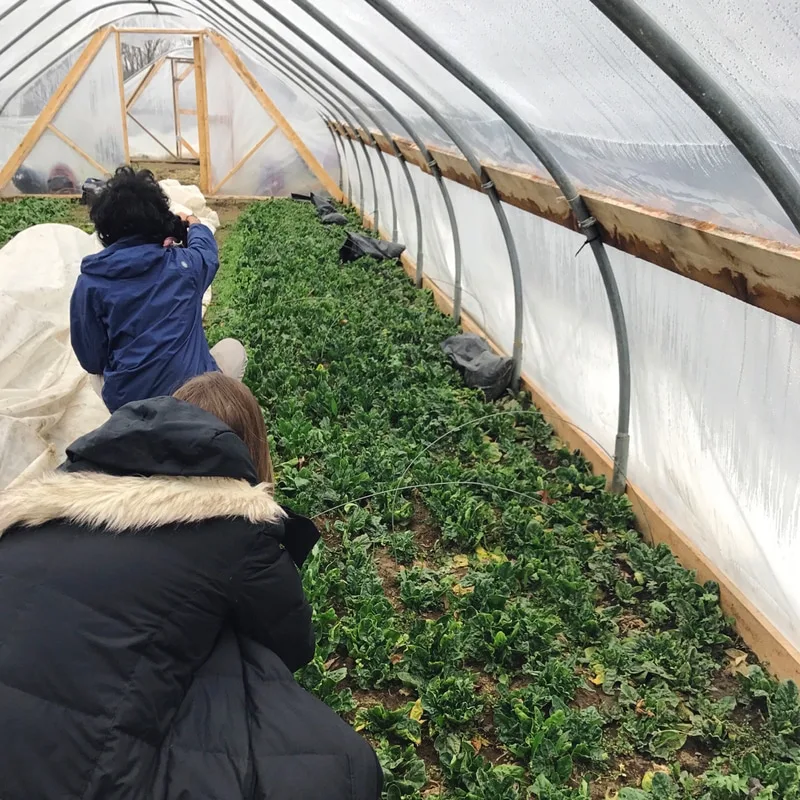
    Stockbridge School of Agriculture professors do their best to get students as much hands-on work throughout the year. Today my Organic Vegetable Production class went on a field trip to Simple Gifts Farm in Amherst, MA. We talked with owner Jeremy about his organic  farming operation and helped him weed his spinach that he planted last fall in one of his high tunnel hoop houses. It felt good to finally have my hands in the soil again! 
    Picture
    For more Homegrown News subscribe to my newsletter!

    Like or Tweet this article to a friend by clicking the badges below. Thank you for your support.
  • Published on

    Cool Gardening Tech

    It's almost time to get out there and landscape, plant your vegetable gardens, and flower beds. As you begin to plan your garden adventures, check out these cool and innovative gadgets to help you along!

    Netatmo Weather Station

    Amazon.com $149
    You'll have all the information you need to maintain your garden based on the weather with a Netatmo Weather Station. Receive a notification on your smartphone when it rains in your garden and water your plants when they need it.

    Features include temperature, humidity, barometric pressure, indoor CO2 concentration and sound meter, real-time notifications and graphs for data history. Connect multiple stations to your smartphone and multiple smartphones to a station. It has a lifetime free personal account for your data and fully weatherproof.
    Netatmo supports iPhone iOS, Android and Windows, access your detailed data from anywhere, at any time. It's also compatible with Amazon Alexa.

    Garden Cam
    Amazon.com $230
    See how your flowers grow or see what critters may be causing them not to with the Brinno GardenWatchCam. This 1.3 megapixel time-lapse digital camera can be set to snap photos at intervals from 1 minute to every 24 hours. Just stick the camera in your garden and watch your garden grow!
    Picture

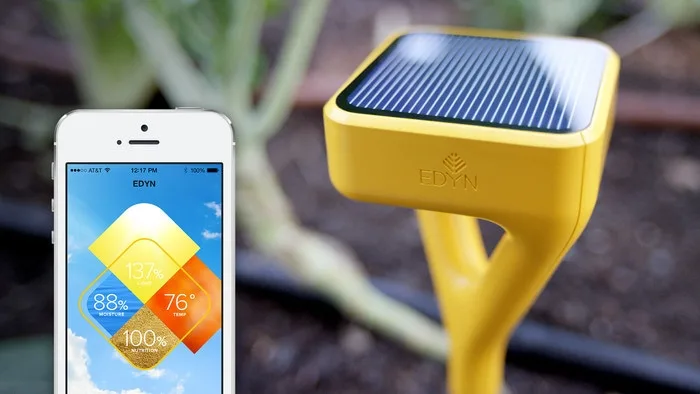
    Edyn Wi-Fi Gardening Sensor | Edyn tracks light, humidity, temperature, soil nutrition and moisture. Wi-Fi connected so you can monitor your garden from anywhere!

    Edyn Wi-Fi Garden Sensor
    Amazon.com $75
    Edyn’s Garden Sensor and Water Valve is a wifi-based app with a valve set-up that waters your plants, tracks light, humidity, temperature, soil nutrition and moisture. It even also gives you advice about what plants might do well in your garden.

    Garden Plan Pro iPad
    Gardenplanpro.com $8
    Having trouble planning your vegetable garden? The Garden Plan Pro app is as a visual aid in laying out your rows and beds before you pick up a shovel. It also provides weather station data, gives advice on the best plants for your region, and offers information on more than 140 different species of flowers and vegetables. 

    Plantlink Basestation
    Amazon.com $65
    Basestation is one of the best options out there to monitor the soil humidity of your plants, and let you know when you need to get watering. The Plantlink Basestation and app can manage up to 64 separate sensors. The starter package includes one and additional units can be purchased for $35.

    For more Homegrown News subscribe to my newsletter!

    Like or Tweet this article to a friend by clicking the badges below. Thank you for your support.
  • Published on

    Did You Know: F&G Domestication

    Did you know eggplants used to have spines and bananas had huge seeds? You bet they did.  

    Humans started domesticating crops about 10,000 years ago. Since then, we've developed farming techniques to breed food to taste better, be more nutritious, live in different environments, and now look way, way different. 

    Check out this video about fruit and vegetable history, it's pretty interesting.

    Reference: Business Insider
    For more Homegrown News subscribe to my newsletter!

    Like or Tweet this article to a friend by clicking the badges below. Thank you for your support.