• Published on

    The greenhouse affect...

    Picture
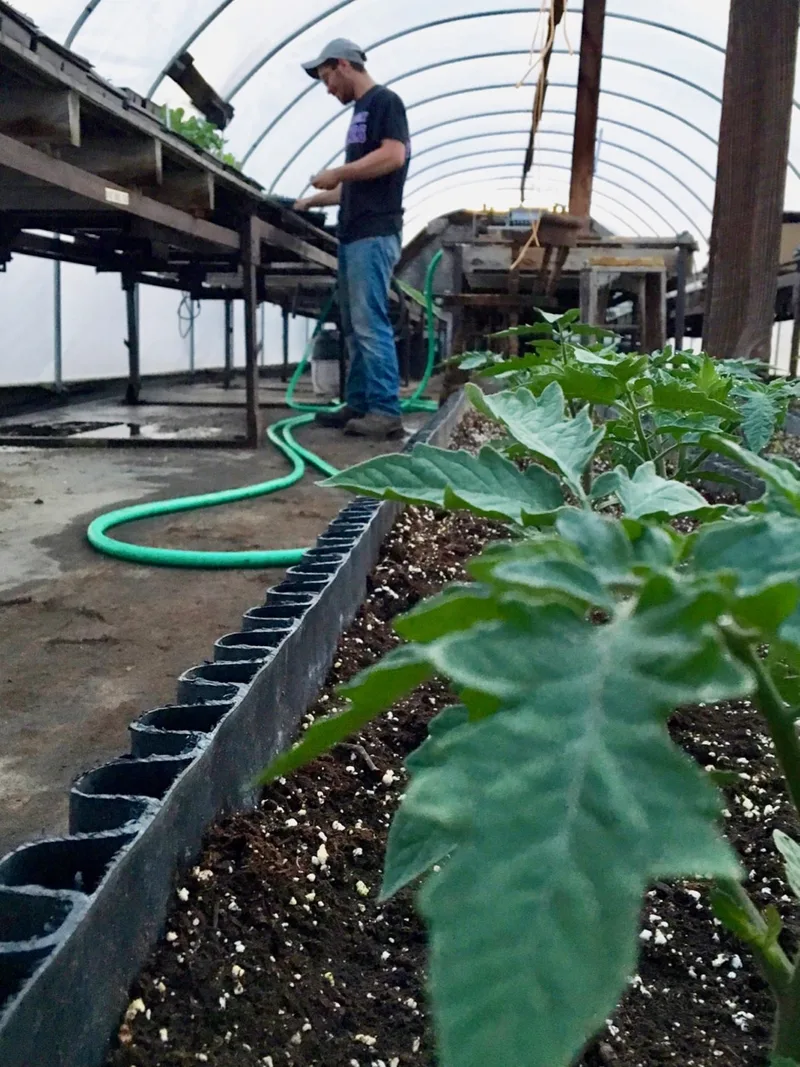
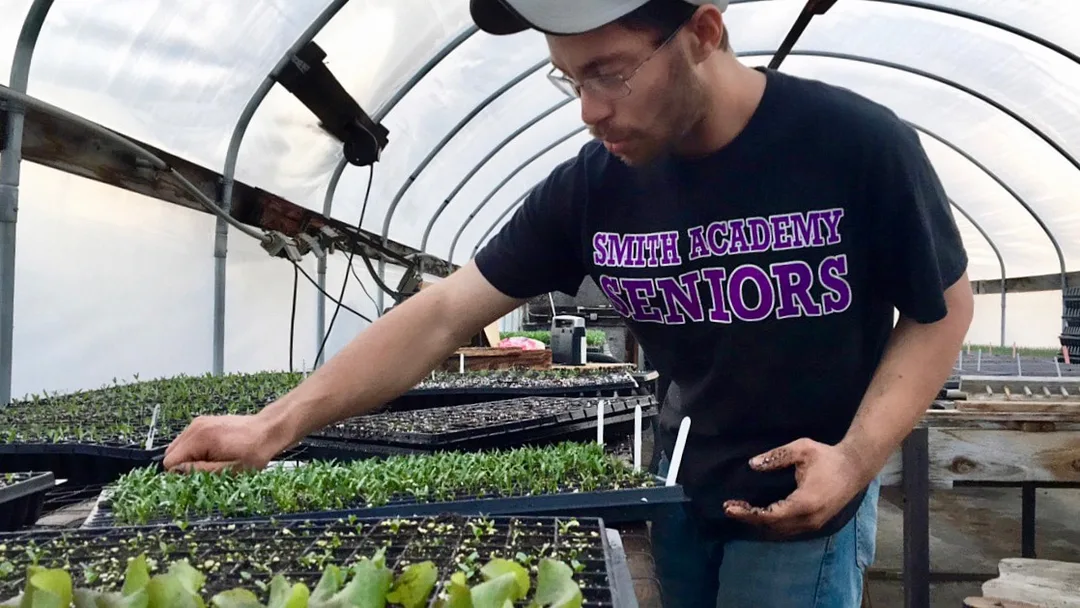
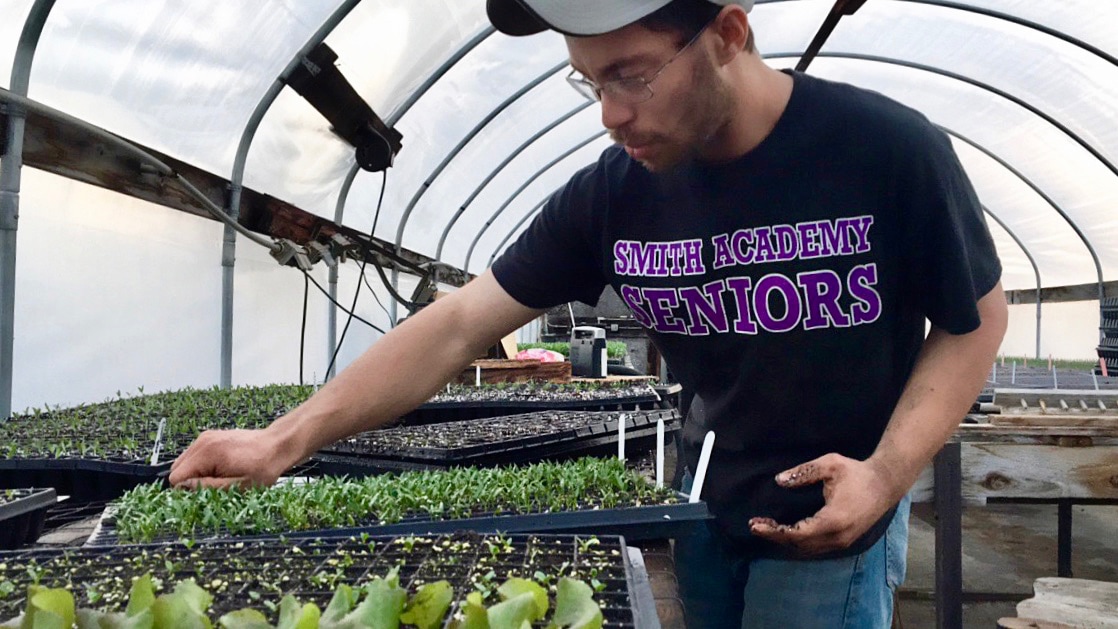
    Last night I was in the greenhouse transplanting eggplant seedlings from row trays into cell trays. The Classic and Nubia varieties looked great since seeding them! 
    "The tiny seed knew that in order to grow, it needed to be dropped in the dirt, covered in darkness, and struggle to reach the light." - Sandra King
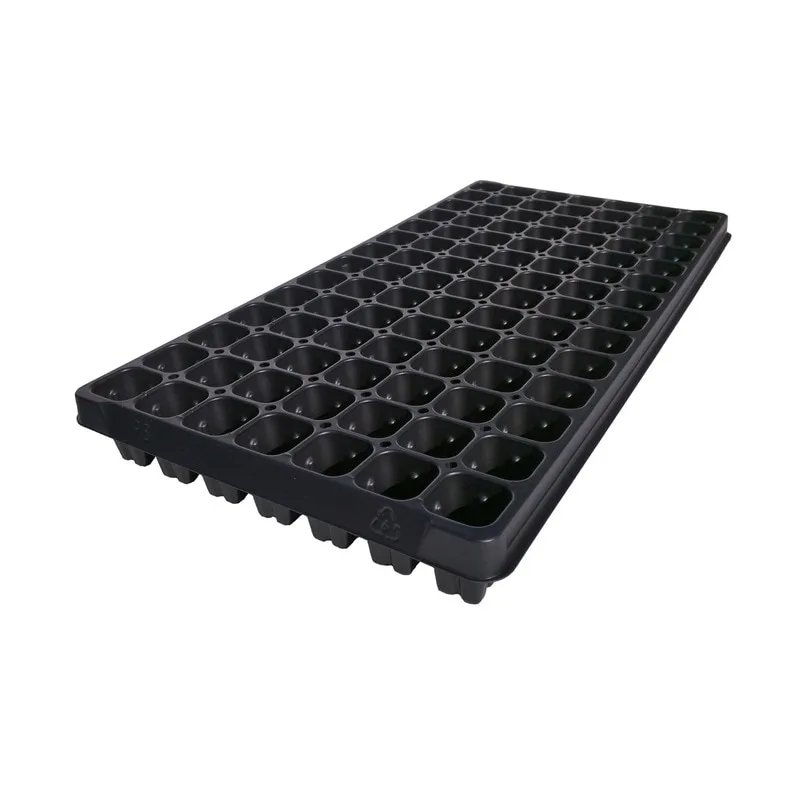
    Because seeds don’t have a 100% germination rate we transplant seedlings into cell trays to ensure we have perfect germination before going into the field. We want to have accurate seedling numbers to plan the field layout. The plants will grow more effectively and can also be monitored more easily. 
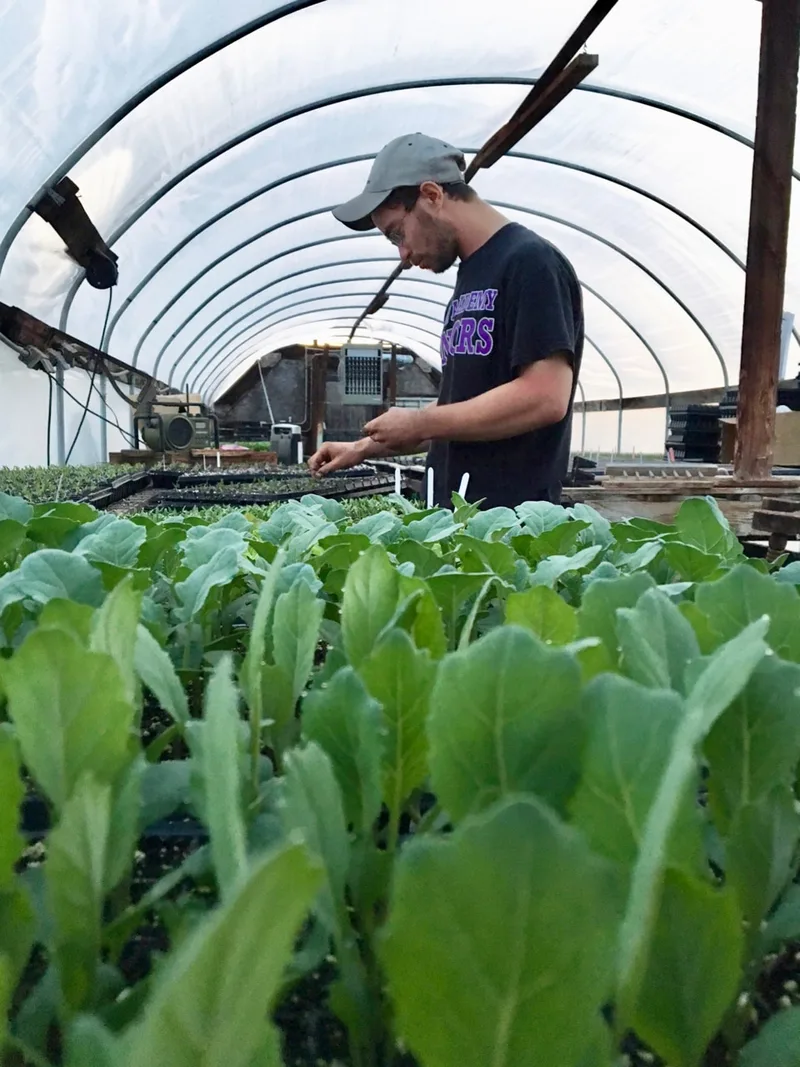
    Seedlings are planted with one root shoot to make it easier when transplanting into the smaller cells. We use a wooden hole punch to make a place to plant seedlings.

    Peppers are next on the greenhouse schedule, 
    more behind the scenes to come! 

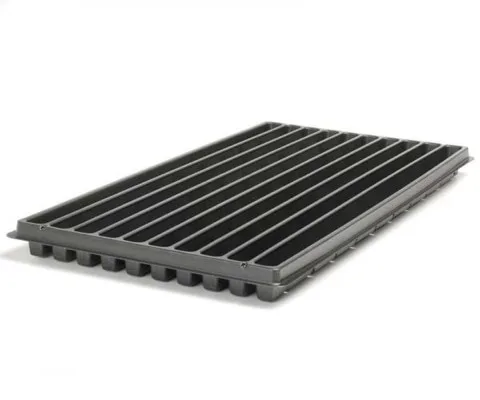
    If you want to learn a little more about our tray system and germination, continue on below.
    Picture

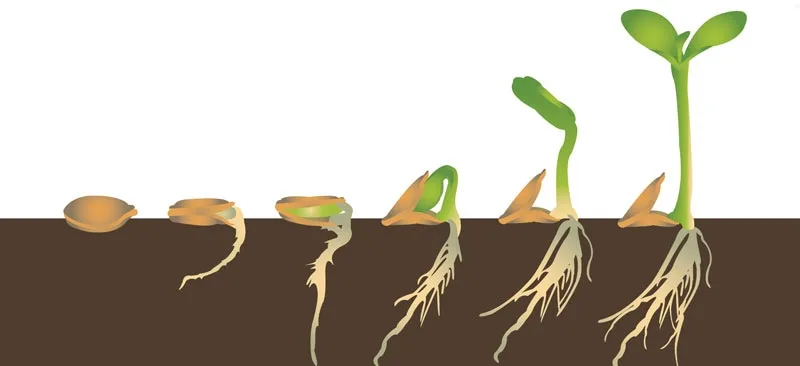
    Germination is the development of a plant from a seed or spore after a period of dormancy.
    What is seed germination? 
    When a seed is covered with soil, it can begin germination. Germination is the process of seeds developing into new plants. Environmental conditions must trigger the seed to grow. This is determined by how deep the seed is planted, water availability, and temperature. When moisture is plentiful, the seed fills with water in a process called imbibition. The water activates special proteins, called enzymes, that begin the process of seed growth. First the seed grows a root to access the moisture. Next, the shoots, or growth above ground, begin to appear. The shoot on the surface of the soil will grow leaves, where it will harvest energy from the sun. The leaves continue to grow towards the light source in a process called photomorphogenesis.
    For more Homegrown News subscribe to my newsletter!

    Like or Tweet this article to a friend by clicking the badges below. Thank you for your support.
  • Published on

    Soil Science Part 2

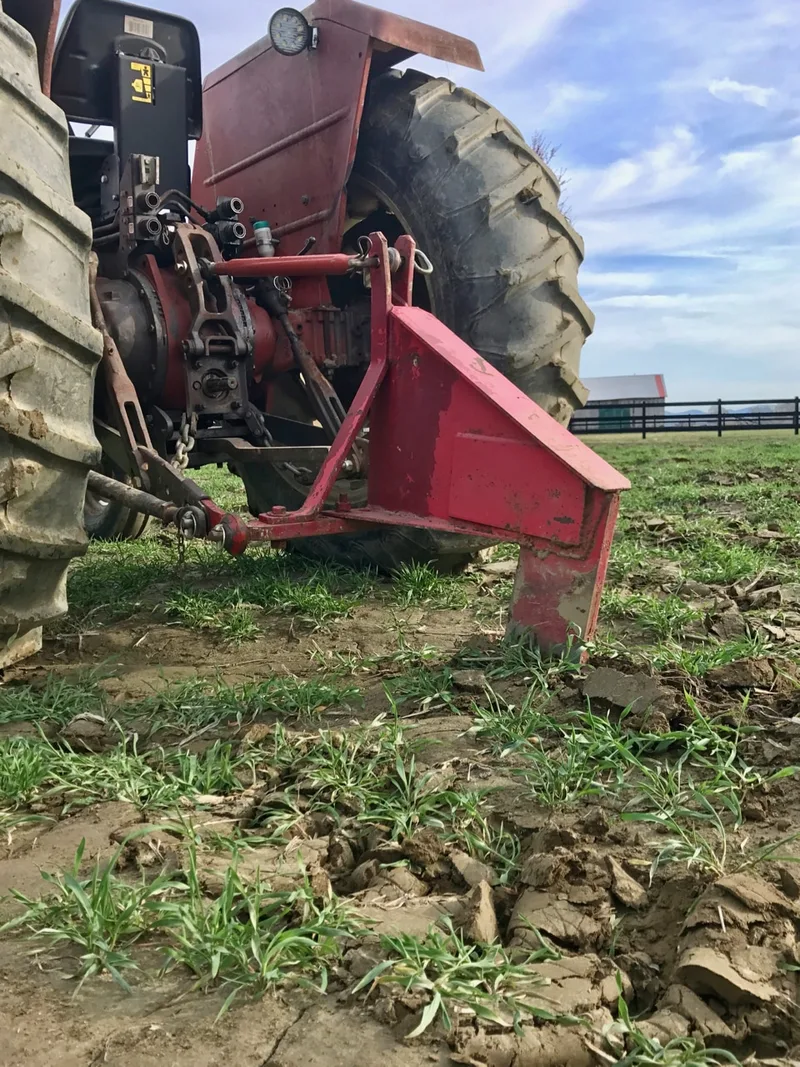
    With the warm weather things are beginning to speed up around the farm! Working the land makes me so happy and riding the tractor puts a stupid ol' smile on my face :) Yesterday, I started up the Massey Fergusson and subsoiled the field. What, you don't know what subsoiling is? Well let me explain...
    "To forget how to dig the earth and tend the soil is to forget ourselves." - Mahatma Gandhi
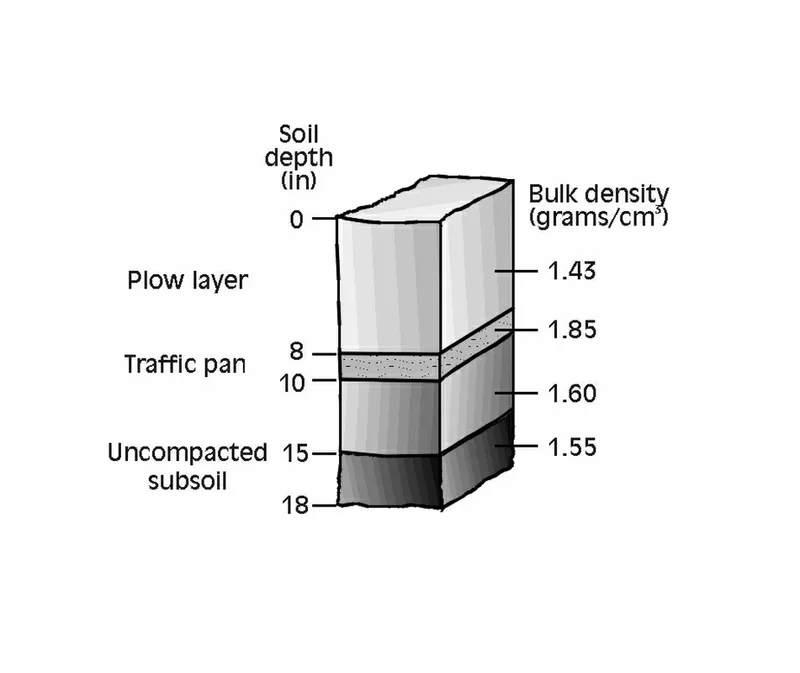
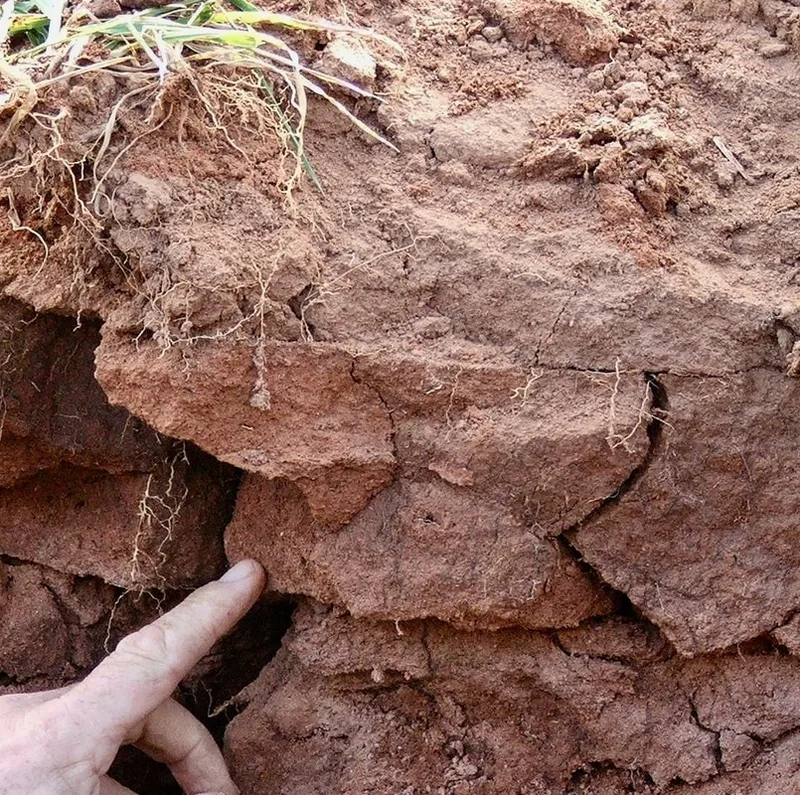
    Subsoiling is the act of breaking-up the compacted layers (pans) of the soil to create better drainage and root growth for the plants. 

    With constant plowing or tillage
     of a field, the soil tends to get hard and compacted resulting in more water run off, erosion, and in the end, poor plant development. By using a subsoiler to breakup these hard packed pans (layers) between the top soil and subsoil layers you are creating a better environment for plants to thrive by loosening the actual layers. 

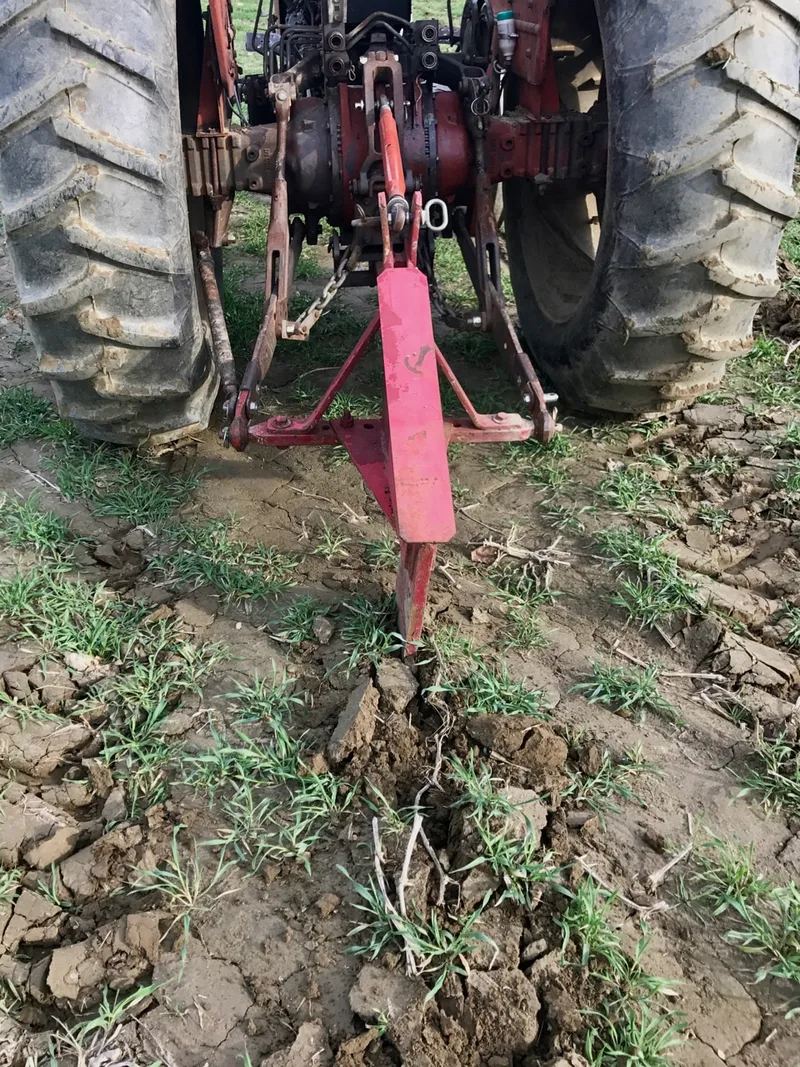
    A subsoiler is a long shank approximately two feet long that can cut depths up to 20 inches, whereas regular tilling equipment would only go to a max depth of about twelve inches. The subsoiler we use is called a "one shank tooth" and you can see why it's so effective.

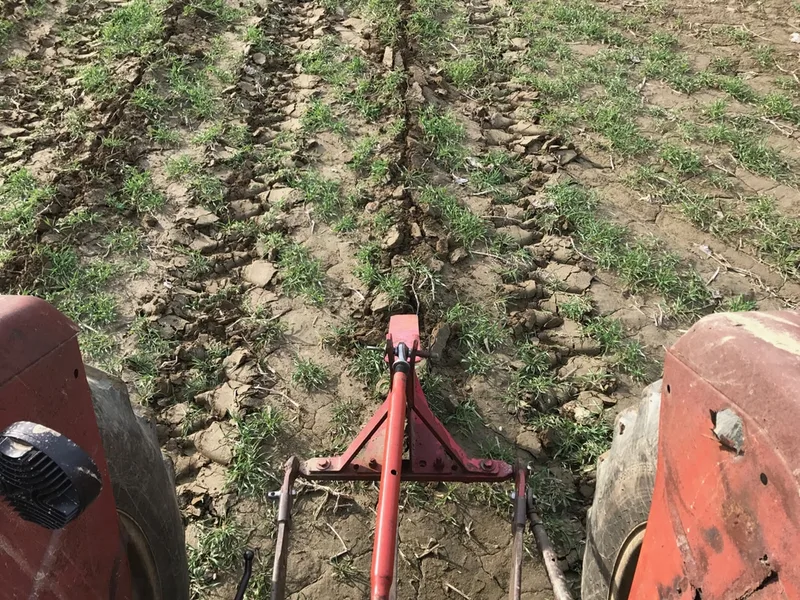
    We make a complete pass every five to six feet, or tractor tire to tire, back and forth, until the field is complete.
    For more Homegrown News subscribe to my newsletter!

    Like or Tweet this article to a friend by clicking the badges below. Thank you for your support.
  • Published on

    Soil Science

    It felt so good to get into the field yesterday! I was getting soil samples ready for testing and it dawned on me that most people don't really know the science behind planting a field. Soil sampling is the first step and this will give you an idea of how it all works. I'll create more posts like this one from time-to-time to give you a better understanding of what we do. Like they say, know your farmer, know your food!
    ​“What you see depends on how you view the world. To most people, this is just dirt. To a farmer, it’s potential.” - Doe Zantamata 
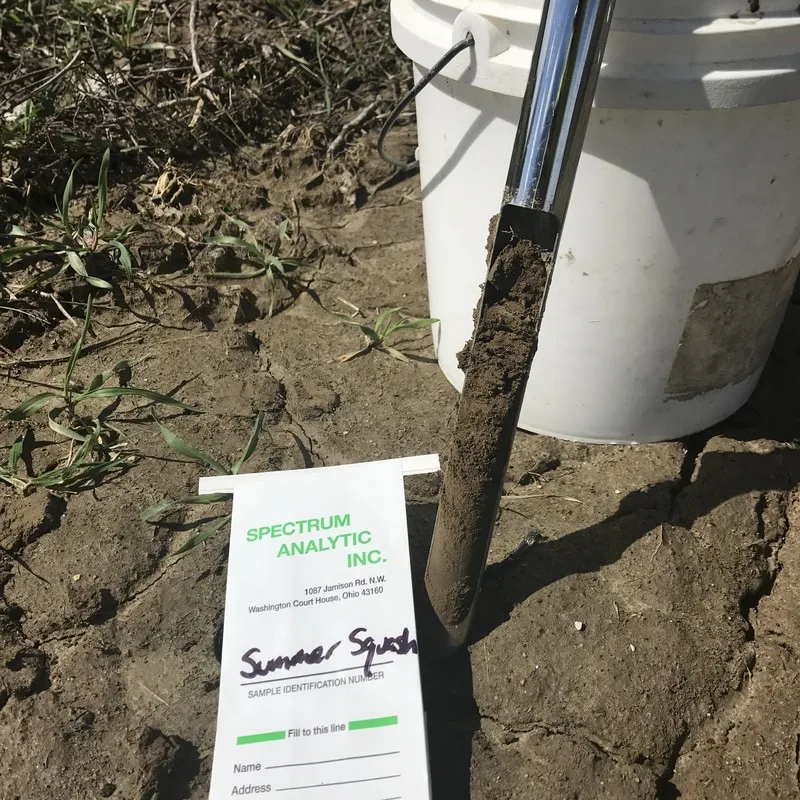
    Soil sampling is a vital part of farming and the first field work a farmer must do. Samples are collected to see what essential nutrients are in the field such as nitrogen, phosphorus, and potassium. Along with checking soil pH and organic matter which is essential for plant growth and development.

    A six to eight inch core of top soil is enough to get an adequate reading. Five to eight more soil cores are taken per acre to get overall analysis from the field we are testing.

    We walk on a diagonal zig-zag throughout the field gathering samples and once all are collected we mix the cores together.

    The soil samples should be moist, but more on the dry side, or it will create problems during transport. If the soil is very wet it also could affect the results.   

    The samples are sent to the UMASS Amherst soil lab where they go through the process of testing for different nutrients and organic matter. Simple tests can be done from home to test pH, but a lab has better equipment and the current tech to dive deeper into the samples and give a better analysis.
    Picture
    For more Homegrown News subscribe to my newsletter!

    Like or Tweet this article to a friend by clicking the badges below. Thank you for your support.
  • Published on

    First delivery of the season!

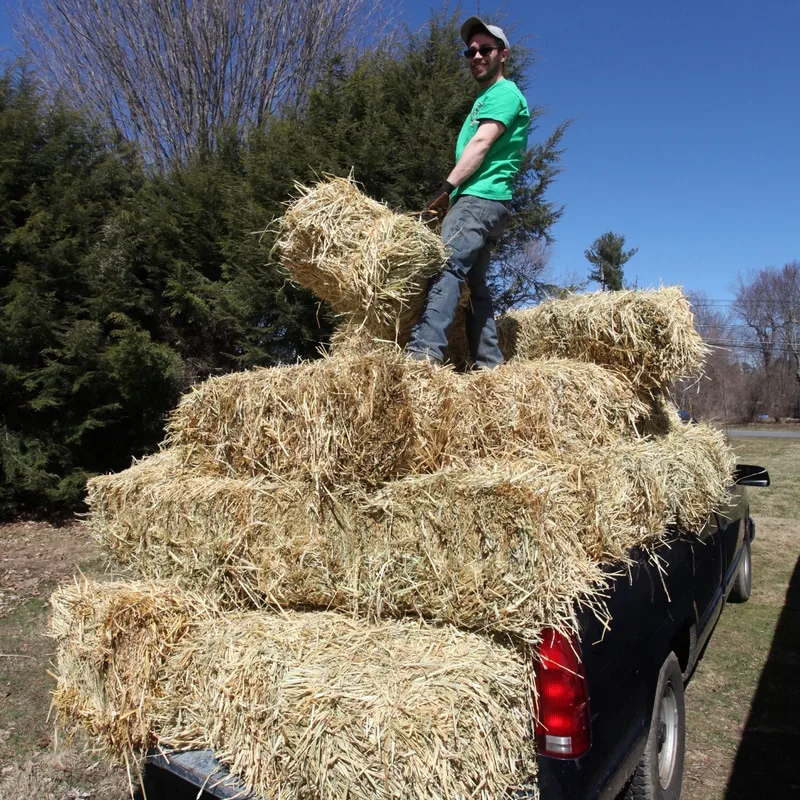
    I delivered 40 straw bales for gardening customers of mine and received a sweet surprise. I rolled up and what was playin', Farming Tunes Vol 2 from my website Spotify playlists! Awesome taste of summer yesterday, I literally have a sunburn on the top of my arms and hay fever on the bottom. I'd say it's officially farming season!

    We are always available for large orders and events by contacting us here.
    Picture
    For more Homegrown News subscribe to my newsletter!

    Like or Tweet this article to a friend by clicking the badges below. Thank you for your support.
  • Published on

    There's an app for that...

    Warm weather is on the way and we're hearing it could be almost 80 degrees by late next week! Whether you are a small farm or home gardener, here is a list of apps to help with your summer projects. 
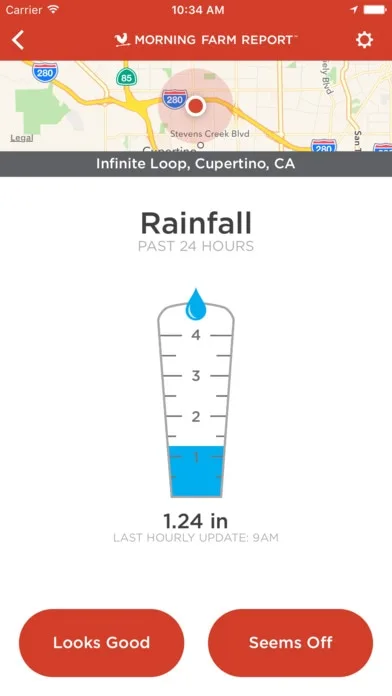
    Pocket Rain Gauge
    Apple App Store FREE
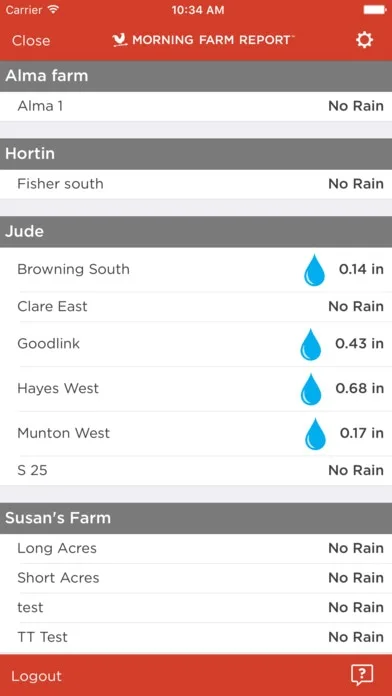
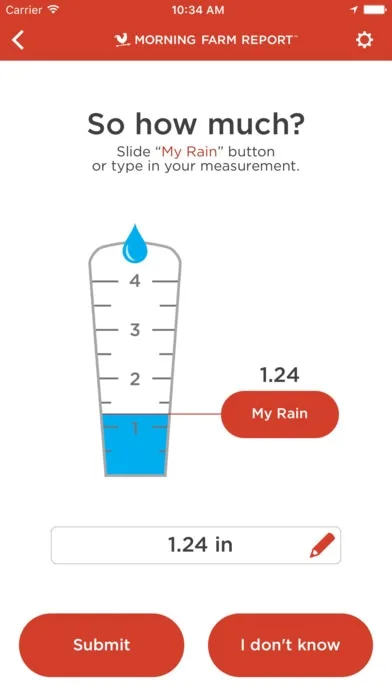
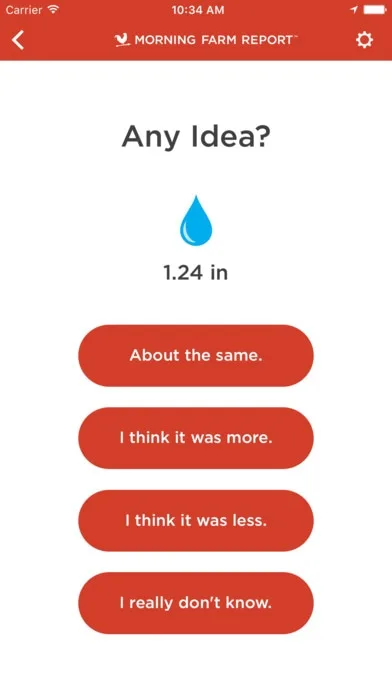
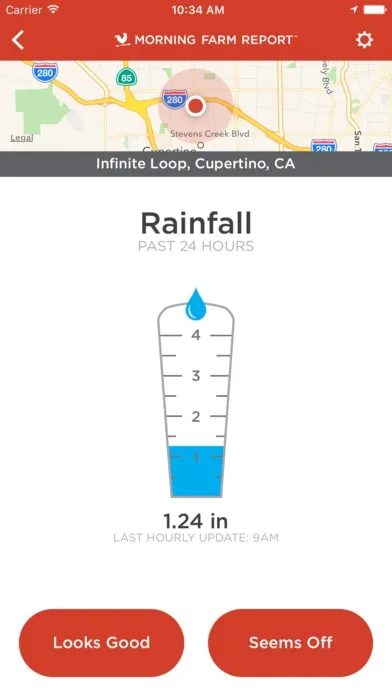
    A rain gauge right in your pocket! The app delivers highly accurate rainfall measurement based on your location. Or log in with your free Morning Farm Report account to get rainfall totals for all of the fields tied to your account. Pocket Rain Gauge is a universal rain gauge that's with you whenever and wherever you need it. It's the perfect app for farmers, home gardeners, hikers, golfers, or just plain weather geeks!

    GRO
    Apple App Store FREE
    Finally, dirt meets data with Gro, an app that will help you turn inspiration into action. Gro will be with you every inch of the way. Gro knows what to grow in your yard and tells you how to grow it. It also connects you to the info you need for the success in gardening you desire. Block-by-block weather, precision-made recommendations, and simple steps all without breaking your back!

    Grow&Tell
    Apple App Store FREE
    Find what crops grow best in your geography or what doesn't grow so well before you purchase seeds. Sign up to rate which vegetable varieties grow best where you live. 

    ID Weeds
    Apple App Store FREE
    Produced by the University of Missouri's College of Agriculture, Food and Natural Resources' Division of Plant Science. ID Weeds allows you to search for weeds by their common or latin name, view a list of weeds, or identify weeds based upon a number of different characteristics. Details about each weed are presented, along with photograph(s) of the weed specified.

    Garden Answers
    Apple App Store FREE
    Have you ever wanted to easily identify a flower or plant? Now you can with my Garden Answers Plant Identification app. Just snap a picture, tap submit and instantly you will get the accurate identity of the plant and detailed information about it by garden and horticulture experts! The advanced image recognition technology can instantly identify over 20,000 plants. And if you're concerned about a plant disease or insect infestation, you can use the keyword search feature within Garden Answers. It contains answers to over 200,000 commonly asked plant questions.

    AgSquared
    Agsquared.com $100 to $300 per year
    Get your season started on the right foot with crop planning tools that help you plan your planting schedule, calculate your seed order, and map your field layouts. Stay on top of your farming tasks all season long with a calendar smart enough to keep
    your production plans on schedule - even when things don't go exactly as planned.

    SmartyPlants
    Apple App Store FREE
    Simply add a plant by entering its name & taking its photo. SmartyPlants will automatically detect if the plant is part of our growing botanical database and suggest a few typical care reminders for that particular species. You can also create your own reminders in just a few taps. Once you've added your plants, SmartyPlants will notify you when each one needs to be watered, fertilized, pruned, repotted, rotated, weeded, misted, mulched, flushed, propagated.

    Canopeo
    Canopeoapp.com FREE
    Canopeo is a rapid and accurate green canopy cover measurement tool. Use this app to quantify the percent canopy cover of live green vegetation for any agricultural crop, turf, or grassland based on downward-facing photos taken with your mobile device.

    Toggl
    Toggl.com $9 to $49 per month 
    Toggl is made for general labor management needs, and can be a big help when it comes to organization of the various projects on a farm.

    SmartPlant
    Apple App Store FREE
    By scanning the barcode of your plant, this neat app will give you all the personal care instructions you need to make gardening easy. Along with a cool plant identification feature, if you choose to upgrade to a monthly subscription, you can make great use out of their Digital Care Calendar which gives you access to over 50 leading global horticulturists and the ability to digitize your entire garden.

    BeetClock
    Beetclock.com $7
    BeetClock was conceived by a small-scale, diversified vegetable farmer to help manage time and labor on the farm. It is a better way for farmers to track the labor and equipment hours that go into every crop. Accurate record keeping from seeding to sale is essential in order to know which crops are truly profitable. Were all the hours spent hand-harvesting snap peas really worth it? Now there’s an easy way to find out. You can also make detailed records of your work from the field with just a few taps of your smartphone. Plus, all BeetClock users have the option to seamlessly integrate their data with the NOFA Enterprise Analysis Workbook, a powerful whole-farm record keeping system.

    For more Homegrown News subscribe to my newsletter!

    Like or Tweet this article to a friend by clicking the badges below. Thank you for your support.