• Published on

    No Big Dill Pickles

    Now is the perfect time to can pickles! One, because we have this handy-dandy pickle recipe and two, we are stocking half bushels of pickling cucumbers for your convenience. Never canned before? Give it a try!

    The first part of this recipe is done the day before you plan on canning. The cucumbers need to soak overnight in the brine, then the next day you will fill your jars and the processing begins

    ​INGREDIENTS 
    8 lbs of 3 to 4 inch pickling cucumbers
    2 gals water
    1 1/4 c canning or pickling salt
    1 1/2 qts vinegar
    1/4 cup sugar
    2 qts water
    2 tbsp whole mixed pickling spice 
    whole mustard seed (2 tsp per pint jar)
    ​garlic clove, fresh (1 per pint jar)
    fresh dill (1 1/2 heads per pint jar)
    SUPPLIES
    - water bath canner
    ​- pot
    canning jars, lids
    - canning jar lifter
    - canning funnel
    - large spoon
    - sharp knife
    - towels and dish cloths
    - kettle for the brine or ladle
    DIRECTIONS
    • Wash your cucumbers and thinly slice off the blossom end. 
    • Add 3/4 cup salt dissolved in 2 gallons water. Soak the cucumbers in the water for 12 hours.
    • After the cucumbers have soaked, drain and get your canning supplies together.
    • Get the water in your canner heating while you prepare your pickles.
    • In a pot combine vinegar, 1/2 cup salt, sugar, and 2 quarts of water. Place pickling spices in a cheesecloth and place in your vinegar brine. Heat to boiling.
    • Fill each jar with drained cucumbers and add 1 tsp mustard seed, 1 garlic clove and 1 head fresh dill or per.
    • With kettle fill jars with hot pickling brine and leave a 1/2 inch of head space.
    • Place lids on pint jars and tighten rings. Submerge carefully in hot bath water.
    • Place lid on water bath canner. Bring water to a full rolling boil.
    • Process jars in the boiling water for the processing time indicated, adjusting for altitude (see below). When processing time is complete, turn off the heat and remove the canner lid. Allow jars to stand in canner for 5 minutes to get acclimated to the outside temperature.
    • Carefully remove jars from canner and set upright on a towel to prevent jar breakage that can occur from temperature differences. Leave jars undisturbed for 12 to 24 hours. Jar lids should not be retightened as this may interfere with the After jars have cooled, check jar lids for a good seal. Lids should not flex up and down when center is pressed. If a lid does not seal within 24 hours, the product can be immediately reprocessed or refrigerated.
    • Label and share then store in a cool, dry, dark place for up to 1 year.

    HOT WATER BATH ALTITUDE & PROCESSING TIMES
    Processing time will vary according to your elevation. Hatfield is in the 0-1000 ft range. 

    0-1000 ft - 10 minutes
    1000-6000 ft - 15 minutes
    over 6000 ft - 20 minutes

    TIP
    • Be sure to wash jars and lids in hot, soapy water, dry, and set aside until needed.


    For more Homegrown News subscribe to my newsletter!

    Like or Tweet this article to a friend by clicking the badges below. Thank you for your support.
  • Published on

    Thoughts on haying...

    1. Okay, it's time to bale hay, no big deal, we do this every year.
    2. This is so easy! Why do I normally complain?
    3. Oh yeah, that was just mowing and racking, that's always the easy part.
    4. Is that a rain cloud? Better not be a rain cloud, someone check the forecast.
    5. What are the chances that I'll getta just drive the tractor this year?
    6. Slim to none, got it.
    7. Okay, that's fine, it's not that bad.
    8. These bales aren't even that heavy, this is totally fine.
    9. Just kidding they get heavy after a while.
    10. Why is does it always have to be so hot when we do this? I'm actually dying.
    11. Man I'm not in as good of shape as I thought I was.
    12. Yes Grandpa I promise we're stacking them tight enough.
    13. Maybe they could be a little tighter, readjust.
    14. Oh hey dust and allergies, I don't need to see or breath or anything like that.
    15. My arms ich.
    16. Need. Water.
    17. Are we done yet?
    18. This field never seems that big til hay time.
    19. Only ___ of laps to go, I'm totally fine.
    20. Man, I just wanna take a cold shower and eat everything in the house.
    21. I'm gonna sleep so good tonight.
    22. If one more person tries to tell me how to do this!
    23. Need more water please, time out.
    24. Alright, last wagon. I. Can. Do this.
    25. Hallelujah, the end is in sight, God is good.
    26. ...what do you mean we still have to unload everything into the loft? I quit.

    ​For more Homegrown News subscribe to my newsletter!

    Like or Tweet this article to a friend by clicking the badges below. Thank you for your support.
  • Published on

    Healthy Green Smoothie

    Kale-Banana-Celery-Apple Smoothie

    This smoothie is best made in a high powered blender, but if you have a standard one here are some tips to help you along.
    INGREDIENTS
    • 3/4 c chopped kale, ribs + thick stems removed
    • 1 stalk celery, chopped
    • 1/2 banana
    • 1/2 c apple juice
    • 1/2 c ice
    • 1 tbsp fresh lemon juice or lime juice
    DIRECTIONS
    Remove the kale stems and tear the leaves into bite-size pieces. This will help prevent the leaves from getting stuck around the blade. Chop the celery and banana into half-inch pieces and really let it blend for a minute or two. Scrape down the sides of the blender and blend again. Sip unitl your hearts content, so good!

    ​For more Homegrown News subscribe to my newsletter!

    Like or Tweet this article to a friend by clicking the badges below. Thank you for your support.
  • Published on

    In the weeds...

    You know the phrase, "grows like a weed?", enough said.

    For the last two weeks Kaitlyn and I have been in the fields weeding. I really don’t stress about it because it takes your mind to another place and it's kind of relaxing…if you can imagine that.

    It’s not without its hazards though. You are on your hands and knees, in the baking sun, pulling everything but the very plant your are trying to protect. The rows go on for as far as the eyes can see and six hours goes by in a blink.

    You really don’t know land and the soil until you’ve done this simple task. It’s so necessary.

    ​Today we head back out to fight the good fight!


    ​For more Homegrown News subscribe to my newsletter!

    Like or Tweet this article to a friend by clicking the badges below. Thank you for your support.
  • Published on

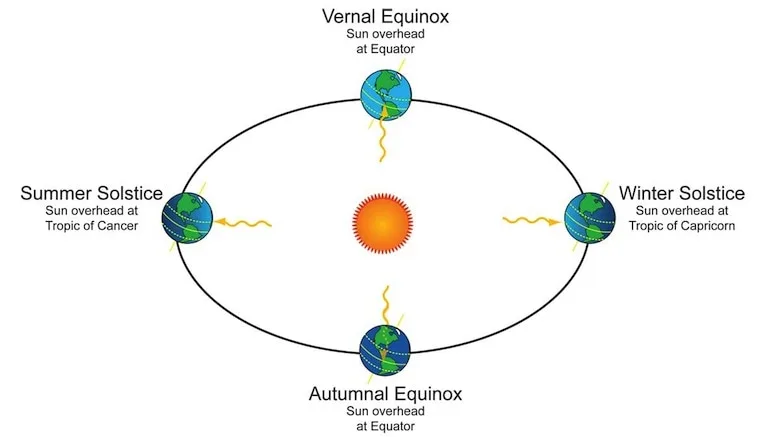
    What is the summer solstice?

    The timing of the solstice is not based on a specific calendar date and time.  It really depends on when the sun reaches its northernmost point from the equator.
    Picture
    The word solstice is from the Latin solstitium, from sol (sun) and stitium (to stop), reflecting the fact that the sun appears to stop at this time (and again at the winter solstice).
    "Deep snow in winter, tall grain in summer." - Estonian proverb
    In temperate regions, we notice that the sun is higher in the sky throughout the day, and its rays strike Earth at a more direct angle, causing the efficient warming we call summer. 

    This summer solstice is the day with the most hours of sunlight during the whole year. At the winter solstice, just the opposite occurs, the sun is at its southernmost point and is low in the sky. Its rays hit the Northern Hemisphere at an oblique angle, creating the feeble winter sunlight.


    For more Homegrown News subscribe to my newsletter!

    Reference: The Farmer's Almanac
    Like or Tweet this article to a friend by clicking the badges below. Thank you for your support.
  • Published on

    Did You Know: Strawberries

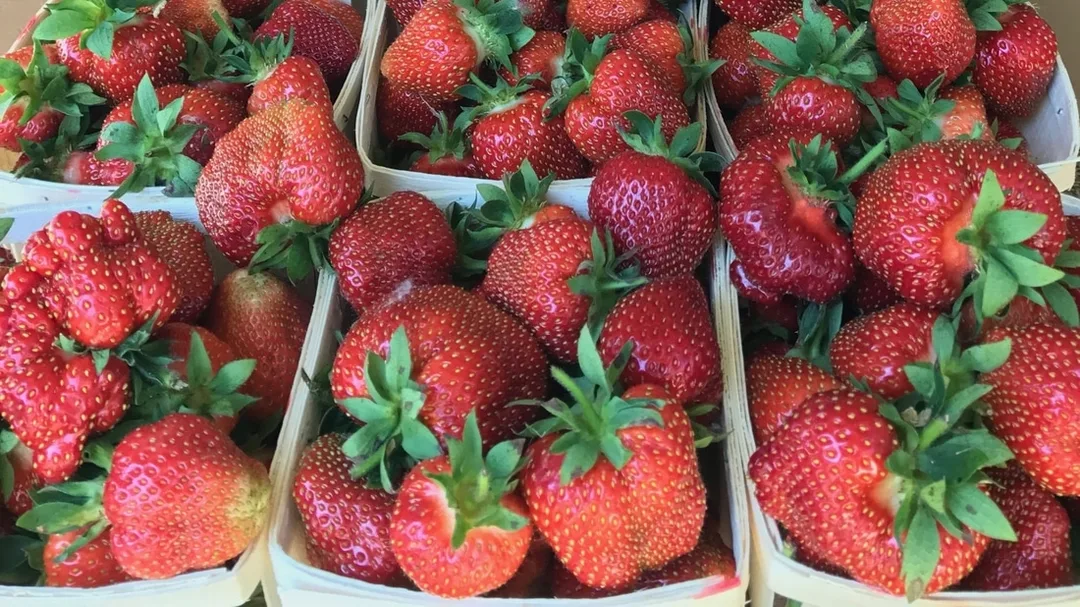
    Strawberries have been on our stand for over a week now and they are always met with great fanfare. We think of them as dessert or a quick snack, but did you know how awesome they are for you? 
    Picture
    Rich and vitamin C strawberries boost the system and contain chemicals that offer cancer protection.

    Strawberries rank very high in antioxidant activity. They are extremely rich in vitamin C (an average portion contains the entire recommended daily amount for an adult) and this helps to boost the immune system and help wound healing, prevent arterial damage, promote iron absorption, and strengthen blood vessel walls. They also contain other antioxidant phenolic plant chemicals such as anthocyanins and ellagic acid, which can block cancer cells and can help prevent some cancers. Lastly they contain good amounts of fiber, folate and potassium.

    The Good Stuff:
    • excellent source of vitamin C
    • contains ellagic acid, a compound with anticancer and antioxidant properties
    • contain anthocyanins, which can help lower bad blood cholesterol
    • useful source of fiber and soluble fiber, potassium, folate, and zeaxanthin for healthy eyes
    Facts:
    • peak season June to August

    Tips:
    • choose strawberry is that the plumb and glossy, dull ones are usually past their best
    • Smaller strawberries tend to have higher levels of ellagic acid, concentrated in the outer layer and have more flavor
    • once washed strawberries will spoil quickly only watch immediately before serving or use this kitchen hack to extend shelf life 
    • store in a container with air holes in the refrigerator for three days but bring them to room temperature before using

    Related:

    For more Homegrown News subscribe to my newsletter!

    Reference: 100 Best health Foods, Eat This Not That, Cooking Light What to Eat
    Like or Tweet this article to a friend by clicking the badges below. Thank you for your support.