• Published on

    You have to build one of these!

    What is a germination chamber? 
    It's basically a miniature climate controlled greenhouse. Its job is to germinate seeds. 

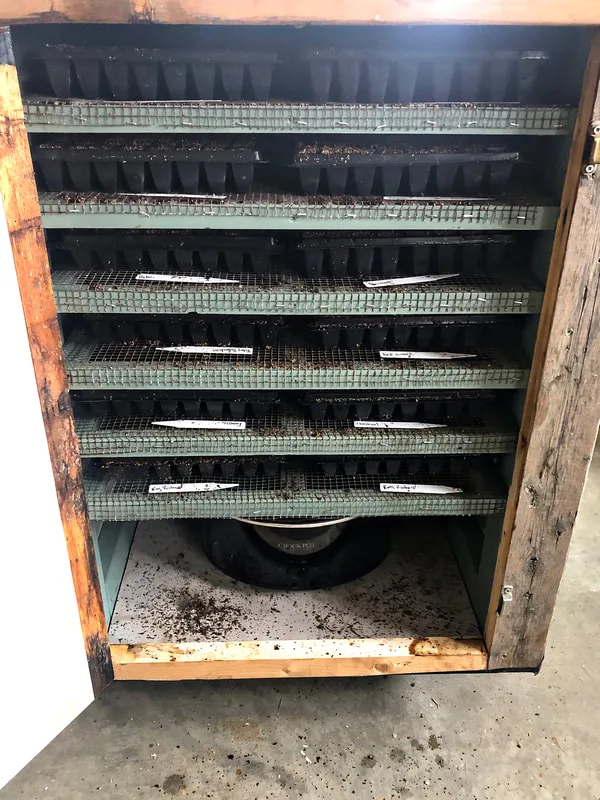
    We use a crockpot filled with water to generate heat and humidity. This gives us uniform germination over the trays and speeds up the time for most crops. This is because it is always at 80 degrees to create that perfect growing environment.

    The chamber does not need light because the seedlings are only looking for heat and moisture to start. It is very important though to make sure you pull the seedlings out as soon as they have popped through the soil. At this time, without light, they would die.
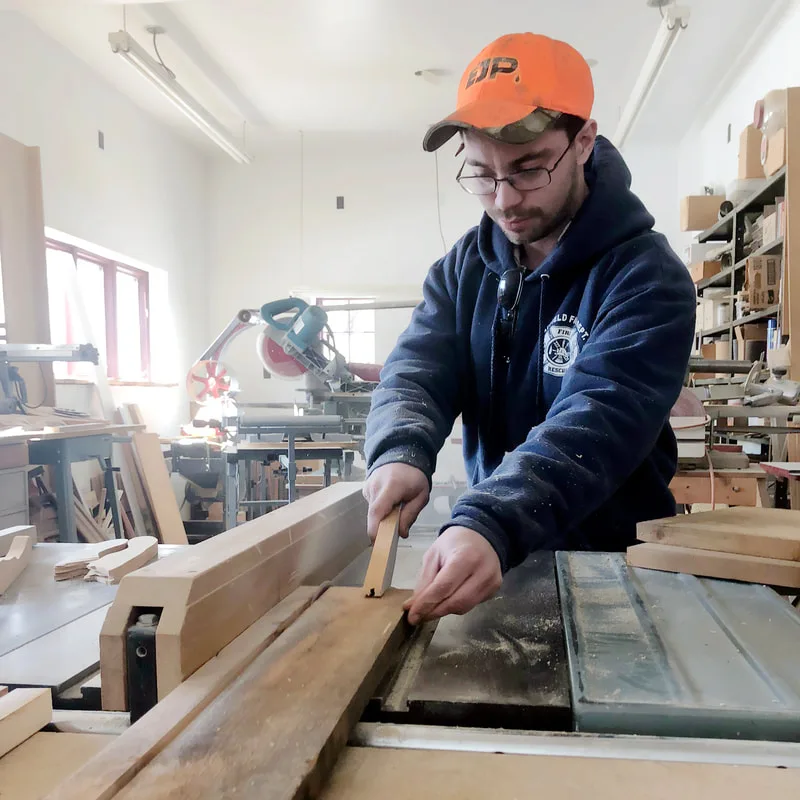
    This is the process of how we went about building this mini wonder...
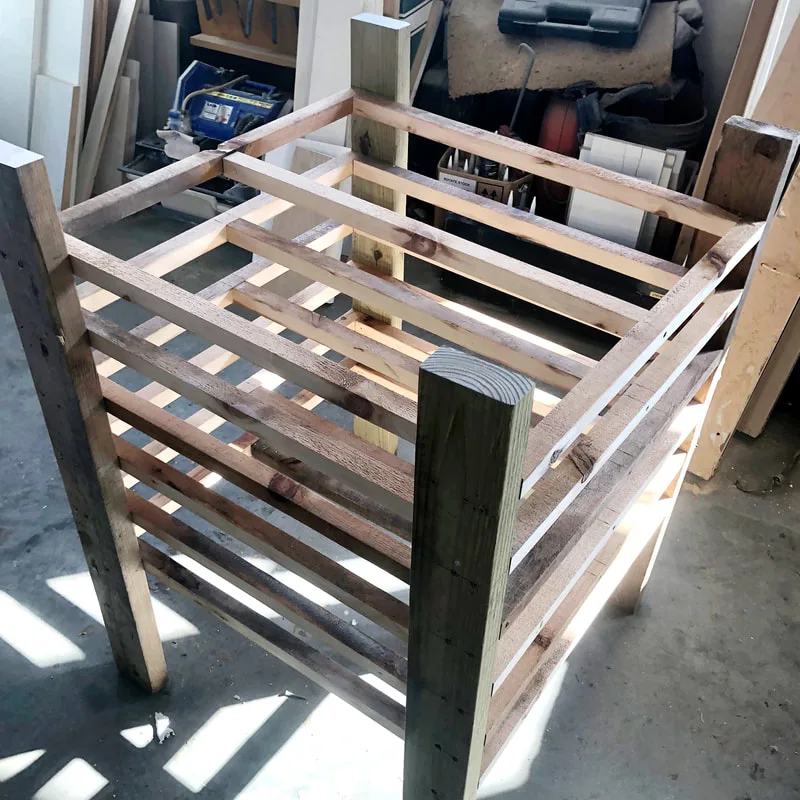
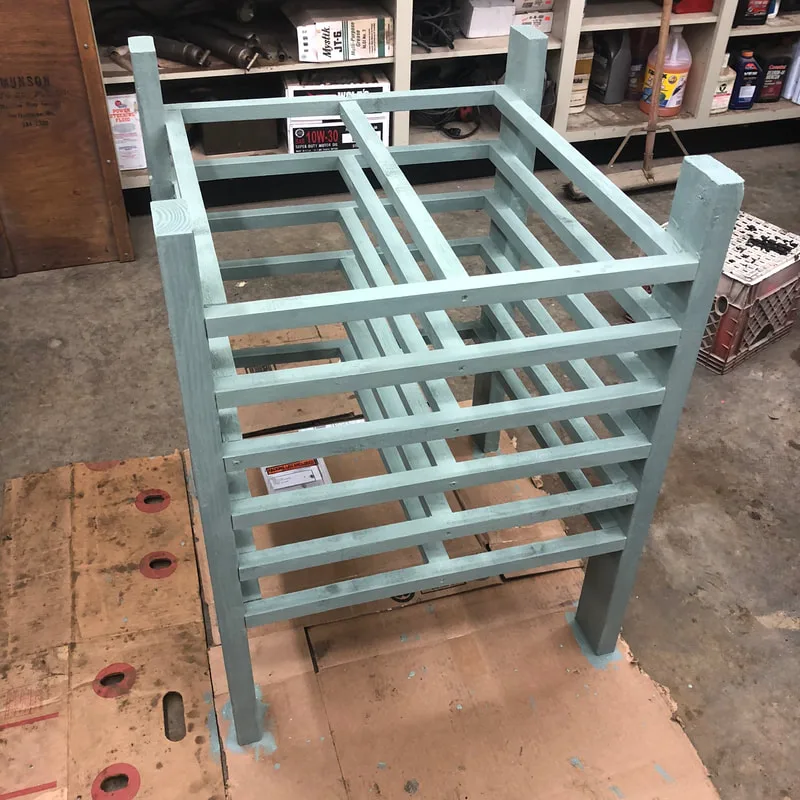
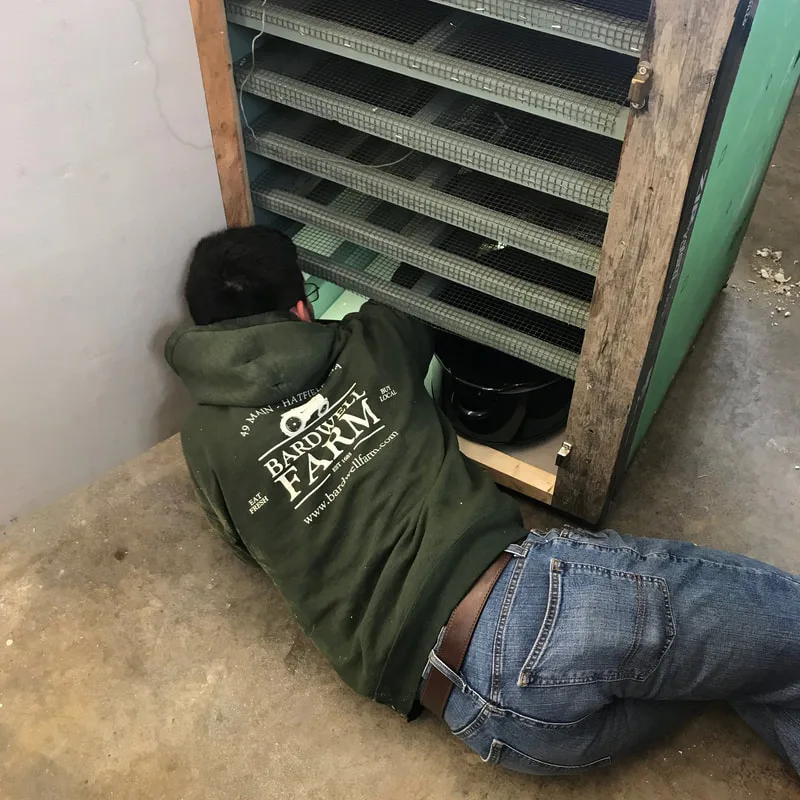
    • We started with 2x4 and 1x1 stock to create the frame of the chamber. I spaced each rack at 3" tall, and left about 1ft of space on the bottom for the crockpot
    • We painted the frame to seal all the wood from getting saturated with water and to extend the life of the box
    • We laid mesh over each rack to hold the trays and to allow heat and humidity to rise through the chamber
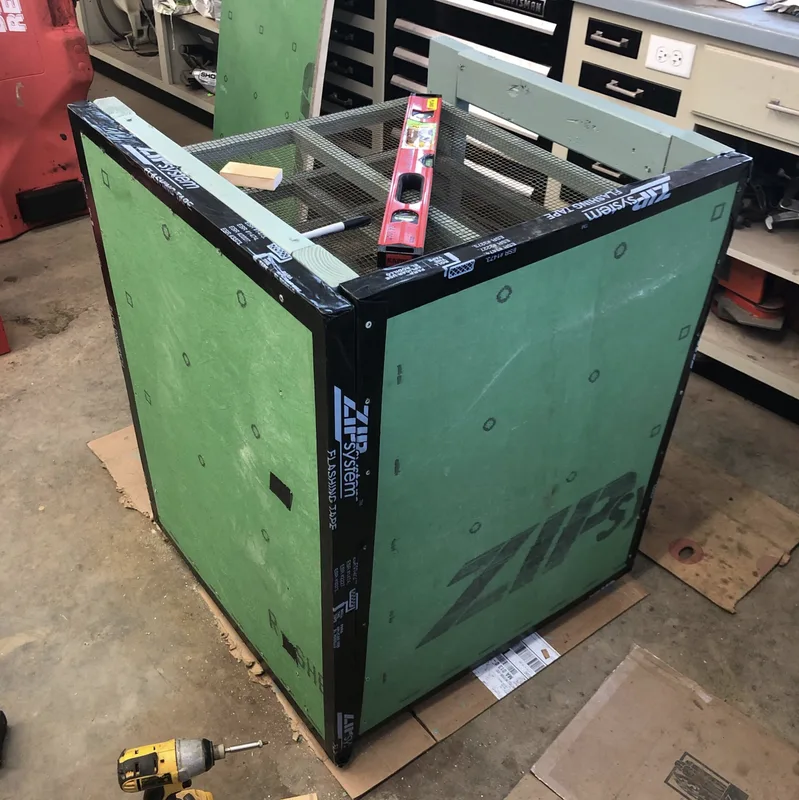
    • We cut insulation board with plywood backing to the specific size of the outer frame of the box and screwed them into the frame
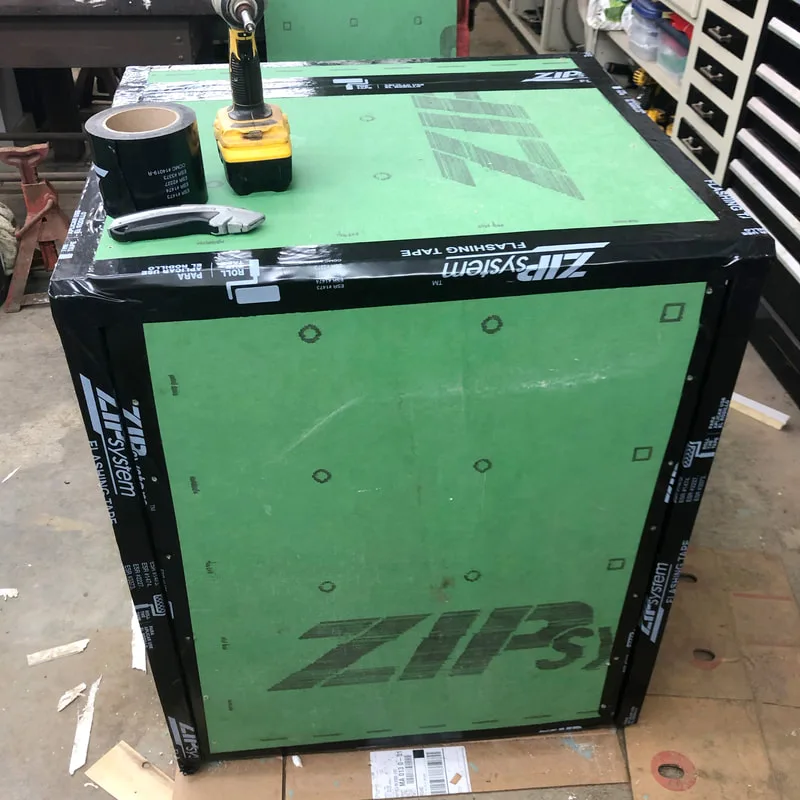
    • We sealed the box with zip tape to make the chamber free of any cracks or holes in the seams
    • We built the front door, with some latches and a door handle. 
    • We added a thermostat and wired it to the crockpot so it would generate the desired temperature of 80 degrees
    • Lastly, we filled the crockpot with water and turned it on to let it heat up and made sure it worked properly

    The experiment worked!
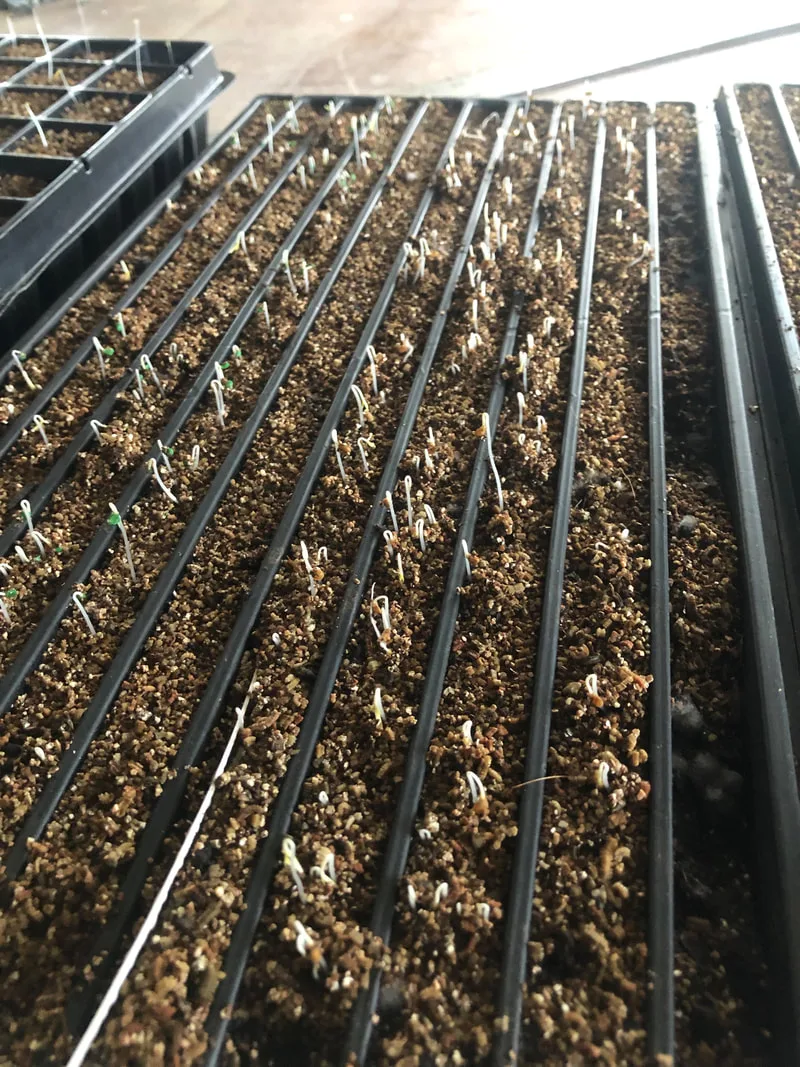
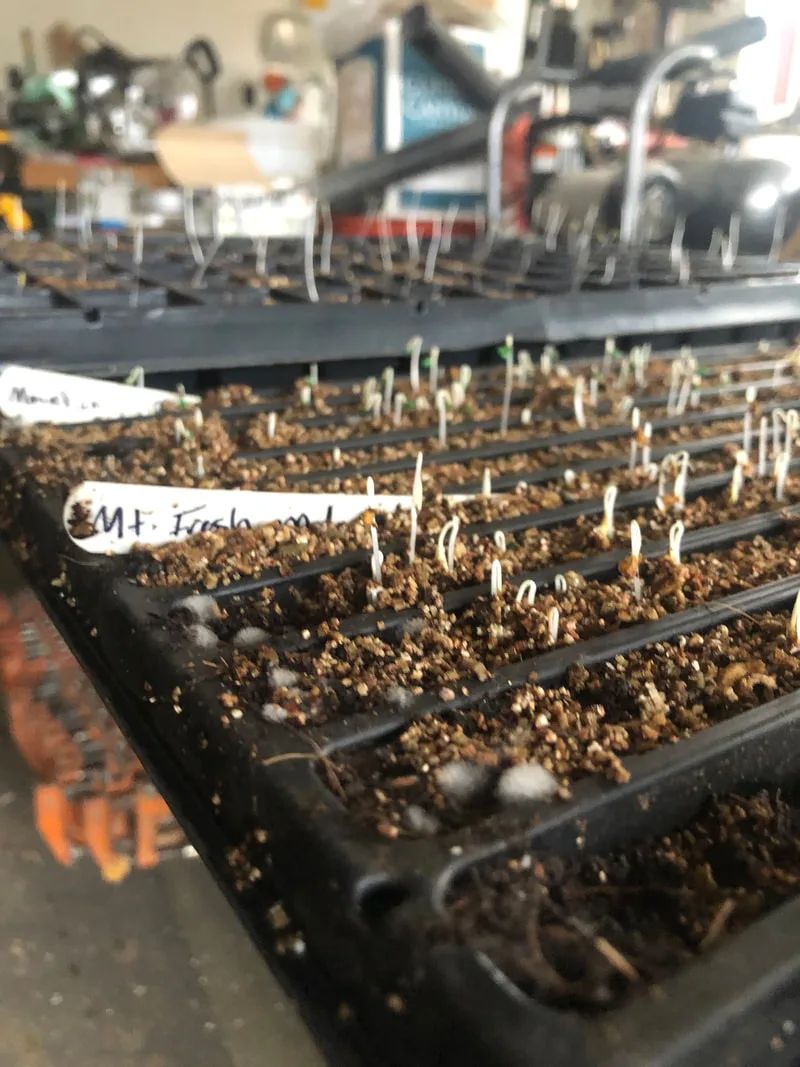
    The chamber heated up just as planned. We seeded cucumber seeds in a tray and added them to the chamber. We had germination within 3 days! It really sped up the process along with creating a uniform germination across the trays.

    This is a great tool to use all season long because it will hold the desired temperature you need. For instance if it's 100 degrees in August and you're trying to germinate lettuce, you can place trays in the chamber and let them go. And, most likely, you'll have 100% germination every time. 

    We'll keep you informed throughout the season as we use this new piece of equipment. Give it a try, we think you'll love it!
  • Published on

    MDAR Panel

    Picture
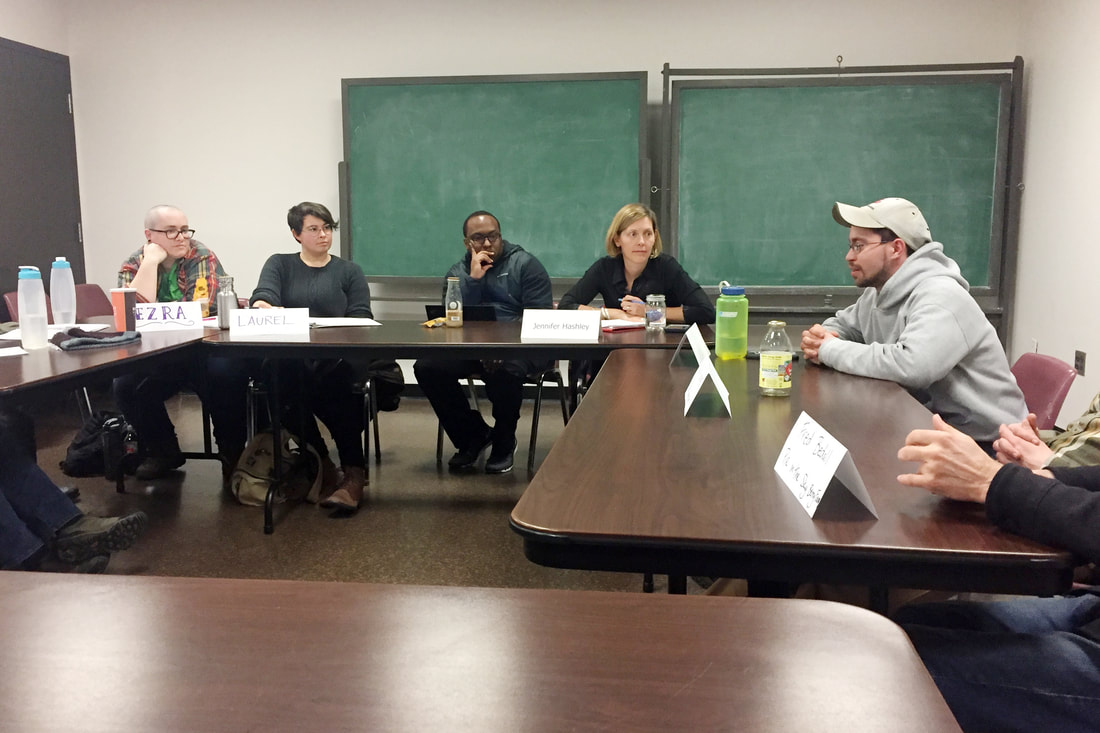
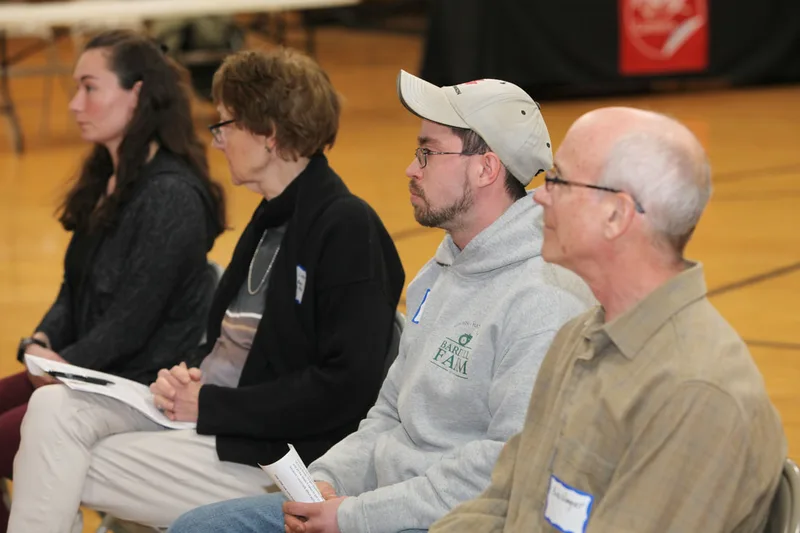
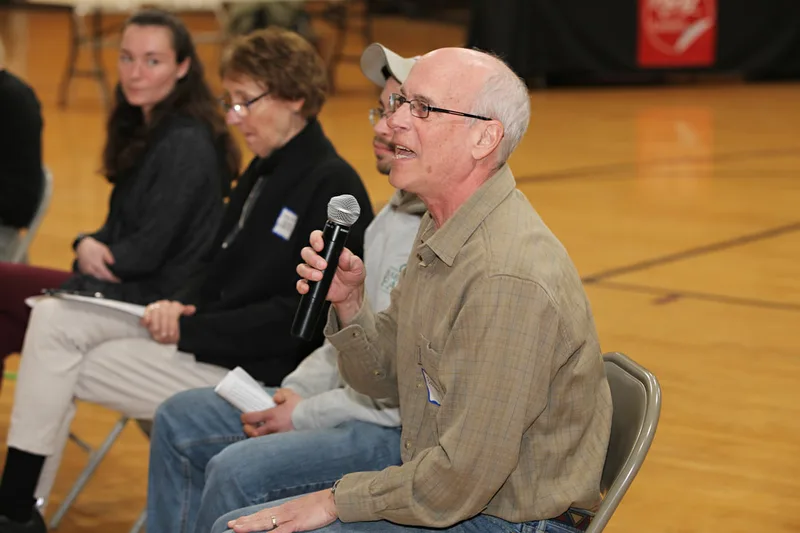
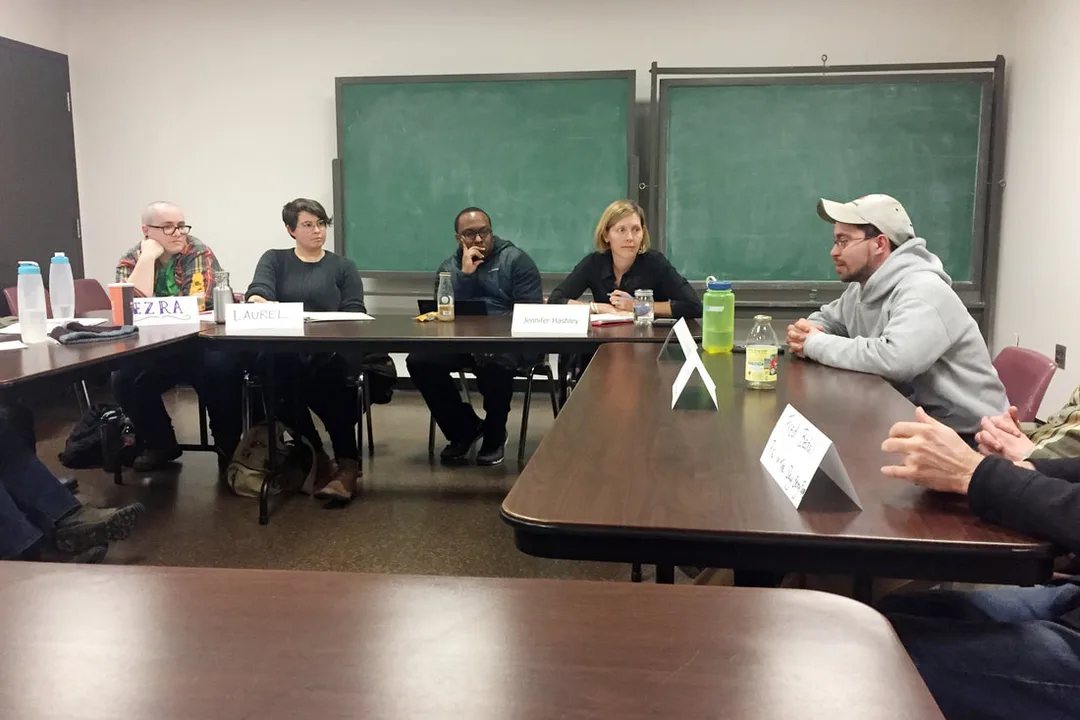
    Earlier this month I was asked by the Massachusetts Department of Agricultural Resources (MDAR) to join a panel of three farmers to help with a New Beginner Farmers Class they offer. 

    After a brief introduction by each student the panel shared what it was like to start, maintain, and generally own a farm still being beginning farmers ourselves. We talked with students about the struggles we face day to day, the hard work that goes into the operation and the positive aspects that make us wake up and go after it for another day! This was really exciting for me because I was able to share my story with people a little less than twice my age. I was able to inspire others and left that night feeling as I did good for others! As many of you know I love talking farming and it was right up my alley! 

    The conversation was really engaging. There were so many great questions about how to financially and economically run an agricultural business, how to sell and advertise to a saturated market, how to balance personal relationships, and so many more. 

    I was proud to share my passion and love of farming with all of them. I was sincere in saying farming is a lifestyle and an industry built on hope. That it is more about the ride than making a million dollars. To expect mistakes and work through them. To have an open mind and learn something new every day.

    If there were five things I would want the students to remember...

    • There will be hard days and you cannot give up; always keep pushing forward
    • Use the resources that are available to you as much as you can (one hand washes the other) build good relationships
    • Learn how to diversify, grow sustainably and find a niche market to become profitable
    • Most importantly, take care of yourself. You will not have a functioning business without YOU in it
    • Be proud, enjoy this profession, this life, take it all in, there is beauty in all things farming

    I want to thank MDAR and the students for this opportunity. Thank you for listening to my story. Knowing programs like this one exist brings hope and promise to our profession of farming!
  • Published on

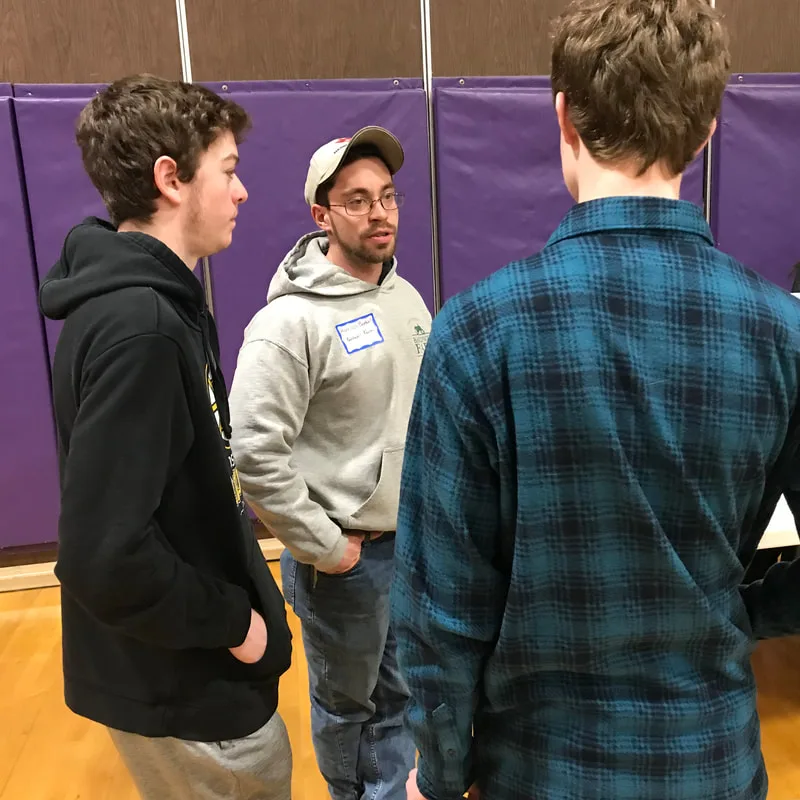
    Smith Academy Ag Career Day

    Picture
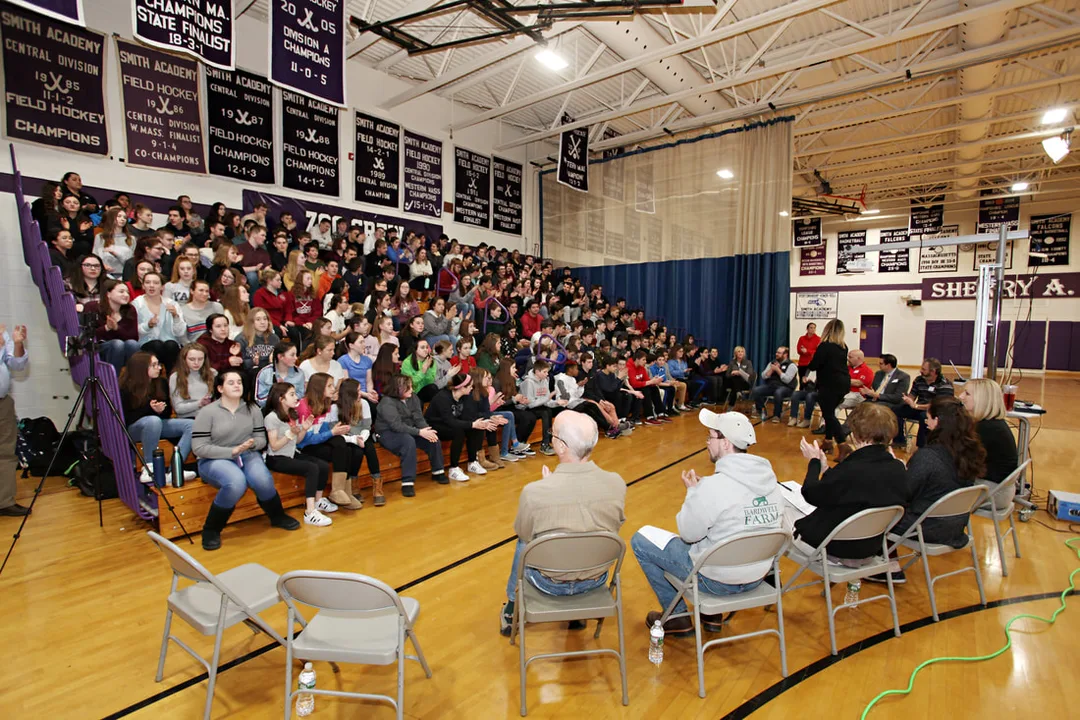
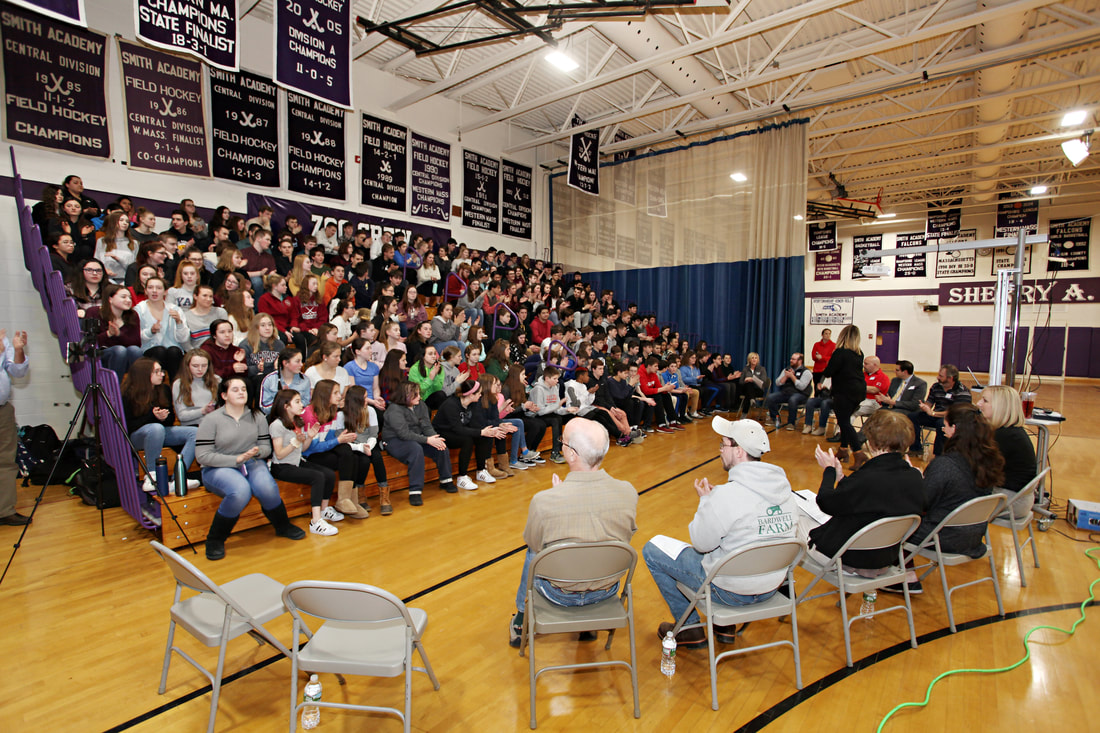
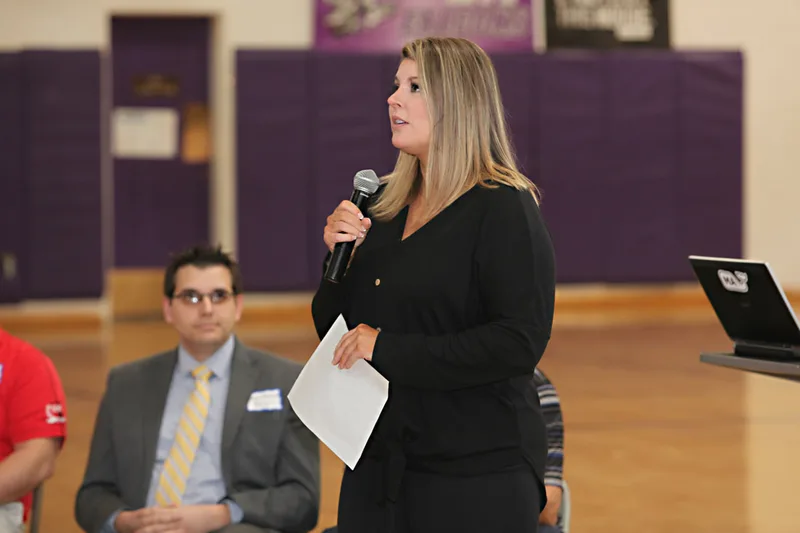
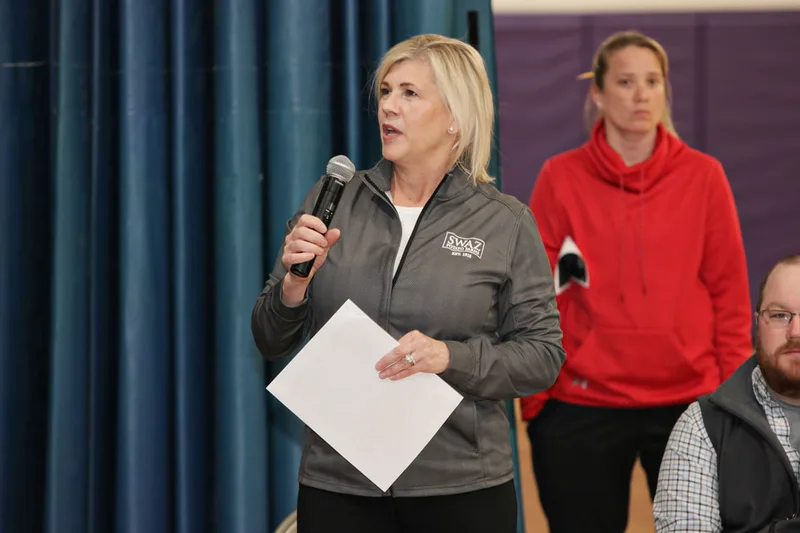
    Last week I was welcomed by Smith Academy to participate in their Agricultural Career Day presented by the Szawlowski Farms Agricultural Foundation.

    This day was to educate and expose students to the importance of Agriculture and the local food movement in the Pioneer Valley.

    I sat amongst a group of ten panelists who are all involved in one of the many branches of agriculture. It focused on two very important aspects. One, how important local food is to our community and economy. Second, all of the people that are involved in making local food possible.

    Whether it's the farmer growing the food, the banker who provides a loan for farm equipment, the trucker who distributes food or a food bank that feeds people that are less fortunate, each and every one is important to agriculture.  
    ​Bob Wagner represented the Agricultural Commission of Hatfield. Having a background with the political side of farming he shared how important it is to be involved with legislature, the bills being presented, and how it can effect the industry.

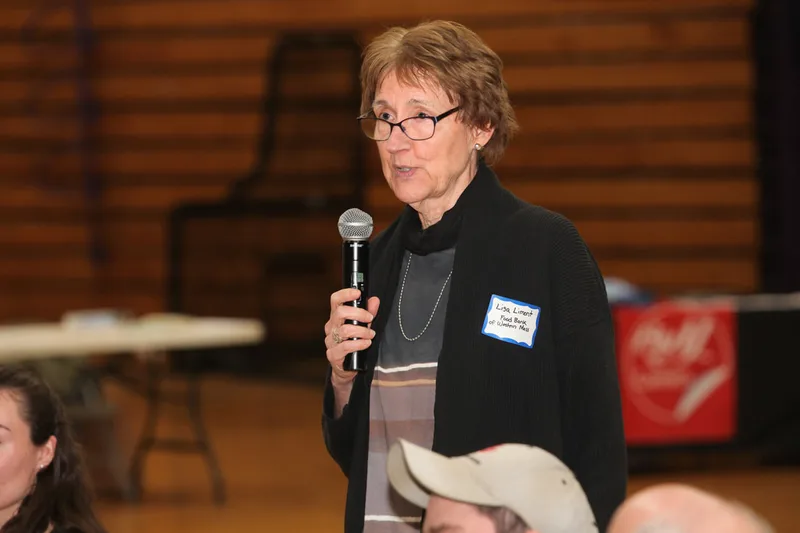
    Lisa Limont and her colleague Amber Letourneau were representing the Food Bank of Western Mass. The Food Bank helps feed communities and people that cannot afford to purchase food. Lisa is a coordinator and helps source local foods to feed people. They work with local farmers during each season to source food that the farm cannot market. They also work with businesses to arrange donations of canned goods. Amber Letourneau is a nutritional specialist that works with people who lack the experience in how to cook healthy meals. She works directly with communities to provide a base foundation for people to properly cook nutritious food for their families.

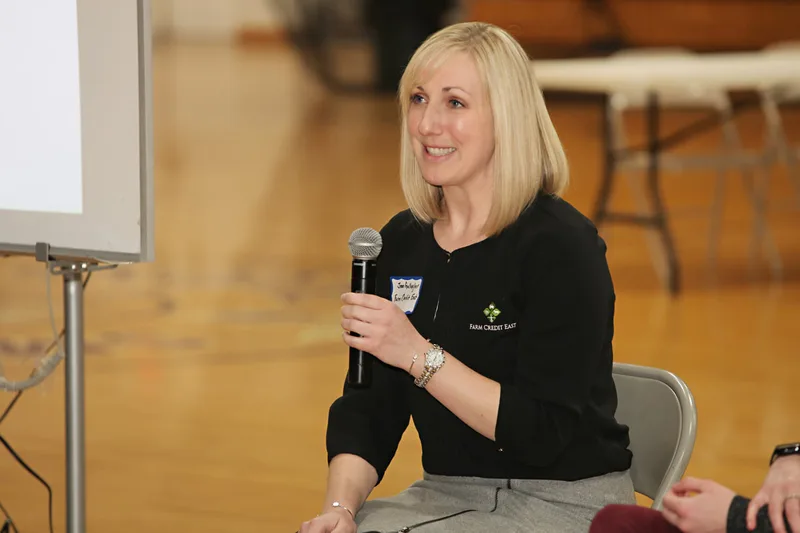
    Gina Gallagher from Farm Credit East was there to share the financial role in agriculture. She explained that Farm Credit East works with farmers to develop profitable business plans, marketing tactics and loans to help agricultural businesses succeed. 

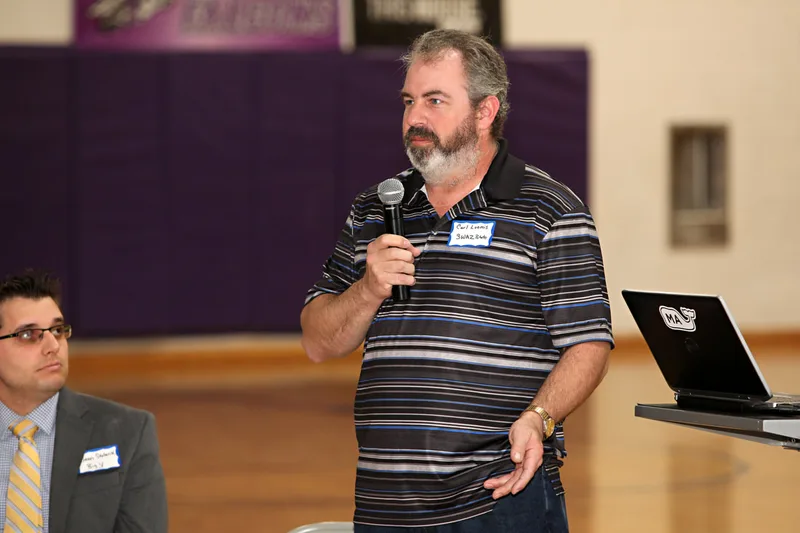
    Carl Loomis, from Swazlowski Farm, represented a trucker who has the important roll of moving produce and goods across the country to supply the needs of the food industry. 

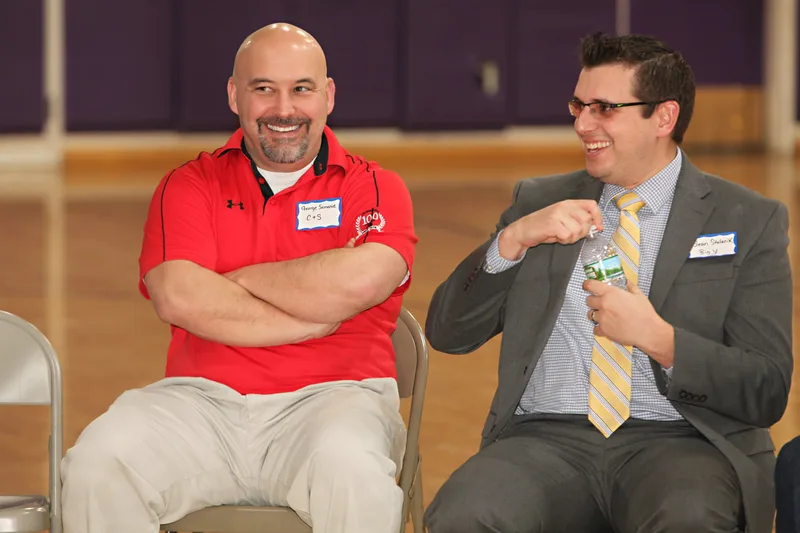
    Big Y Produce Sales Manager Sean Stolarki works with local farms in the area to source local foods to stock the chain of stores and feed the communities around them. He does his best to bring in local foods being produced in the valley to give their customers the same feel and quality of what it means to be "local".

    George Semanie from C&S Wholesale in Hatfield's job is similar to Seans where he is the manager dealing with the buying and selling of products coming into their facility. He helps supply local grocery stores all throughout the Pioneer Valley to meet high demands within the industry. 

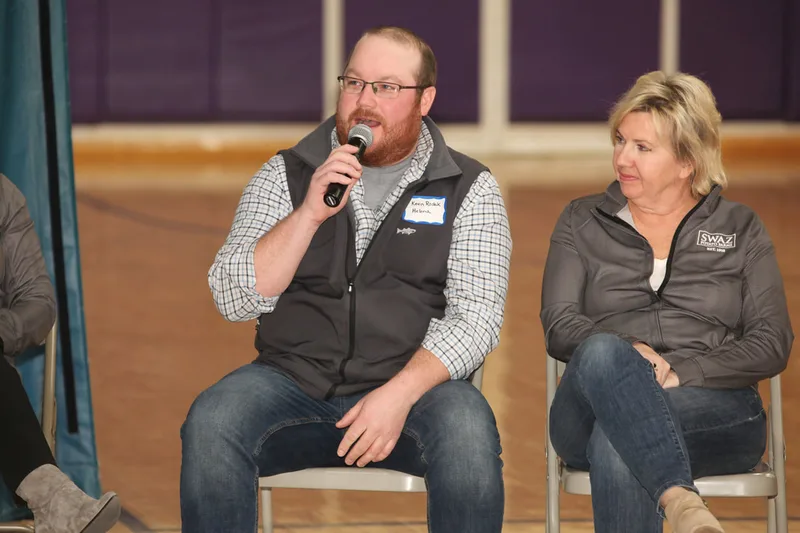
    Kevin Rodak from Helena Chemical in Hatfield is a sales representative that deals with farmers to help better their growing operations and create a more profitable crop. He works closely with farmers to help with control of weeds, insect and disease pressure, as well as help feed crops being grown.

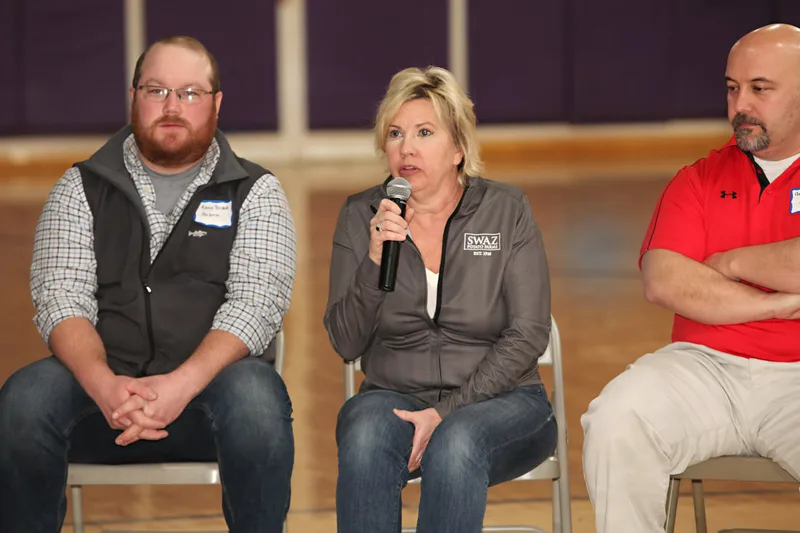
    Melanie and Diane were there representing Swazlowski Farm and everything that goes into bringing an agricultural product to market. From farming the fields to marketing a product, to distribution and performing important office tasks, it's no wonder they sell two hundred million servings of potatoes each year! 

    I represented the farmer. I talked about the process of growing food, the steps of planting and maintaining a crop, and how we market and sell our produce to the community. It was exciting to be able to see the students react to agricultural related topics and see their interest!

    I want to thank the Swazlowski Farms Agricultural Foundation for inviting me to speak, to share my passion and why I think agriculture is so important to our community.

    I would also like to thank Smith Academy for hosting this event and giving students the opportunity to listen to all of the good things agriculture has to offer!

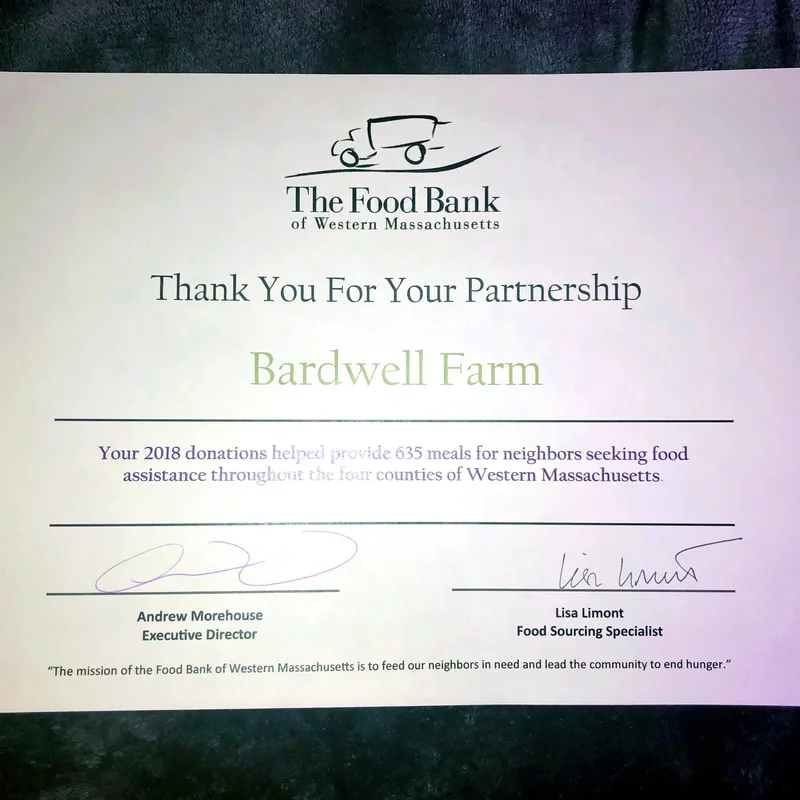
    Lastly, thank you to the Food Bank of Western Massachusetts for the certificate presented to me. I'm honored to serve our community.
  • Published on

    Welcome

    Picture
    Thank you for subscribing to our CSA farm share program! We're so glad you joined our farming family. Your support of local, sustainable farming is what makes all this possible and we couldn't do it without you!
    We know we’re still a few months away, but we wanted to give you an inside look of what to expect when the 20 week program begins in June. Don’t worry though, there will be more communication and reminders to come.
    CSA FARM SHARE HIGHLIGHTS
    • Program runs for 20 weeks from June 2nd to October 14th
    • All CSA members receive a complimentary produce share bag(s)
    • It is a “choice” selected share, members will be able to choose from a variety of produce
    • Members pick-up their share at a location designated by our farm
    • Pick-up days are held weekly, Tuesdays and Fridays, from 3pm to 6pm
    • All CSA members will receive weekly reminders 
    • Weekly Forkful CSA Guide complete with share offerings, value added products, recipes, field notes, and more!
    WHAT WILL BE IN MY CHOICE SELECTED SHARE?
    Of course your favorites will be there as well as lots of new items too. We have so much planned and will be presenting a season preview of what's to come soon!

    Common favorites sampling:
    New items sampling:
    STAY CONNECTED
    Be sure to bookmark this blog for the latest CSA member information. Every week we will email you a pick-up reminder which will include a link to the Forkful CSA member blog. It will detail what’s in your share and include recipes, storage tips, food preparation, farm news, photos, videos and more! There may be a few surprises along the way too… so, shhh… it's a secret ;)
    PICK-UP LOCATION COMING SOON
    We are in the process of securing a location that provides shelter in case of bad weather. We are in connection with several locations and we will be in touch as soon as one becomes more solid. Don't worry though, we promise it will be close-by and maybe at our farm itself. We promise to keep you updated.
    WE NEED YOUR HELP!
    If you haven't already, would you mind participating in a quick 2-minute survey? We want to know how your CSA sign-up experience was. By answering a few questions it will help us help you with future services and products. 

    I WANT TO PARTICIPATE
    7 DAY SUPPORT
    Please stay in touch. Do not hesitate to contact us if you have questions, need assistance or want to provide constructive criticism. Also, when the program starts, don’t be afraid to talk with your Bardwell Farm Representative in-person during a pick-up day. You can always contact us by using the links below. 

    (413) 800-5583
    bardwellfarm@gmail.com 
    PLEASE SHARE THE L♥︎VE
    Please tell your friends and neighbors about us. By spreading the word our program will grow and that’s good for everyone!

    Refer a friend or family member and if they purchase a small or medium share we will include a surprise value added item to your share in the first week of the program!
    Thank you again for investing in our farm. We can’t wait for you to enjoy our fresh produce this season!

    Owner Harrison Bardwell
    Picture
  • Published on

    Bills & Agriculture

    Last Friday Senator Jo Comerford stopped by the farm to talk about agriculture. She was excited to learn how Bardwell Farm came to be and was really blown away to hear we were established in 1685. 
    Jo listened to my story and asked, ”Why farming?” 
    I told her it’s in my blood and I go crazy if I’m not playing in the soil in some sort of way. I explained our long family history from being passed on from generation to generation, to it finally falling into my hands; where I transformed it into my own business. I explained to her I’m slowly building this farm to make a bigger impact on the local community and the earth combined. 
    Jo also came with news herself. She wanted to share information about the new bills she had passed and ones she is working on for the farming community. 

    One that interested me a bunch was legislation she filed to incentivize low-til/no-til practices for healthy soil and carbon sequestration. This bill falls directly in line with our changeover to a no-til system we actually implemented last year, really exciting!

    Jo also talked about a bill that would tax non-contiguous farm land at the same rates to stop penalizing farmers from farming on small plots of non-connected land. 

    It was a productive meeting and she said she would be back to tour again as soon as things started to green up a bit and the farm is in full operation.

    Many thanks to Senator Comerford and her team, I really enjoyed our visit. We can't wait to have you back and try some of our fresh veggies!
  • Published on

    Government Shutdown

    We were recently interviewed about the government shutdown and how it's impacting our farm. Change doesn't come by looking the other way. We are all in the same boat and need to be heard. Be a voice. 

    Many thanks to Caroline Powers and Western Mass News for the opportunity.


    Local farmers feeling the impact of partial government shutdown
    WGGB/WSHM Ryan Trowbridge & Caroline Powers
    HATFIELD, MA - Monday marks day 24 of the government shutdown.

    800,000 federal workers continue to go without pay and with major departments being closed, the people they help are also left in the dark, creating a bigger impact.

    One group that people might not realize rely heavily on federal dollars are local farmers.

    A Hatfield farmer told us they are really feeling the effects of the shutdown.

    For the past eight years, Harrison Bardwell has continued his family's long history of farming.

    "This farm was actually established in 1685. Yes, you heard me, 1685. I'm ninth generation farmer, eleventh generation Bardwell in this town. We go back quite a way," Bardwell noted.

    The farm has 15 acres full of carrots, tomatoes, peppers, and other vegetables.

    "We've been farming this land for hundreds of years and it's pretty cool to think about and I continue to keep it going, so I look forward to it," Bardwell explained.

    However, right now, Bardwell is facing multiple obstacles as he tries to continue his family's legacy.

    "We're dealing with situations with money issues. This past season was pretty tough crop wise with the rain and excessive heat. We experienced a lot of crop loss, lower yields," Bardwell noted.

    While crop loss is a concern, Bardwell told Western Mass News it's something farmers are used to dealing with. He can usually make up for it with crop insurance from the USDA, but right now, that's on-hold as the government shutdown continues.

    "All the work I had to do is in and now I'm sitting here and waiting not knowing when I'm going to get a check or how much that check is going to be. I have a grant out for harvest bins and I can't talk to my rep that's dealing with it. I can't go to the USDA office in Hadley right now or call them if I have questions regarding my insurance or my loan that I have out with them. It's nerve racking to not know when we're going to get answers or when we're going to get paid and for farming, we don't get a check every day," Bardwell explained.

    Bardwell said their 2019 season will start in about two to three months. He's taking a closer look at his budget and expenses to see what he'll be able to do as the shutdown continues.