- Published on
-
-
- Published on
We are thrilled to partner with Luke Longstreeth of Mountainside Maple, Hatfield's first sugaring operation. Luke is a dedicated farmer and really is making a name for himself here in Western, Massachusetts!
Check out Harry's Farm Vlog on YouTube to see how we used his handcrafted syrup... ice cream for breakfast anyone?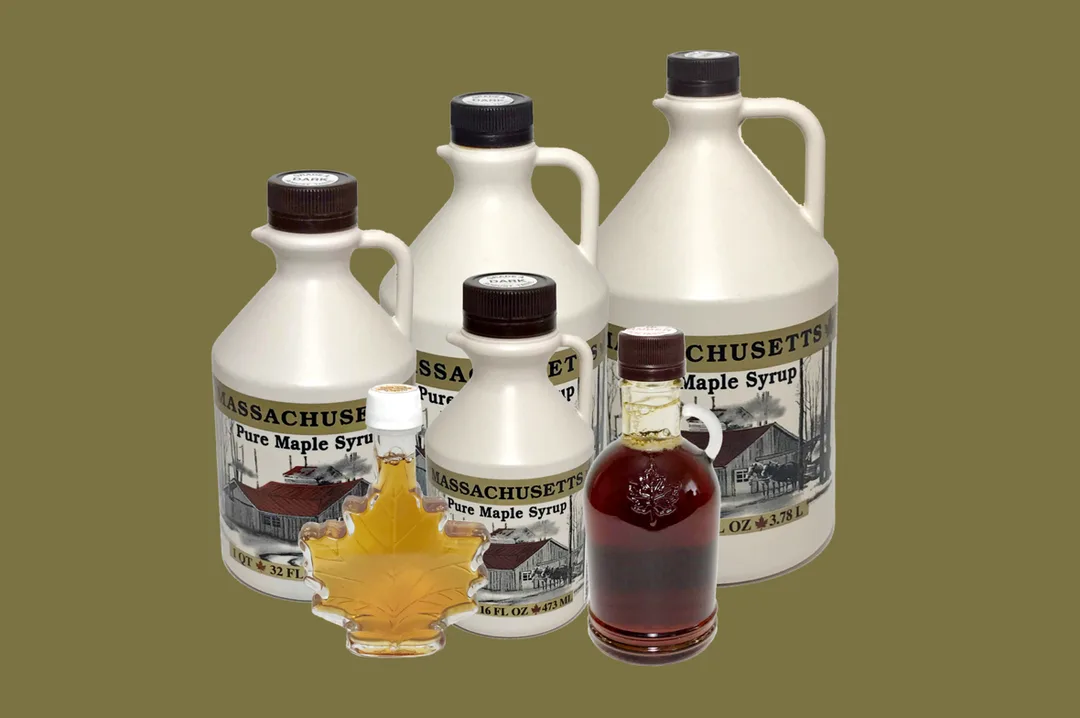 All products above are available at our online farm store!
Luke shared the "sugaring" process with us...- He starts in the woods and finds nice "sugar bushes" or stands of maple trees to tap
- He runs sap lines to collect the sap from the trees and put into holding tanks to be trucked to the sugarhouse for boiling. Sap runs best on cloudy days with temperatures in the low 40's and at night below freezing
- Once sap is collected and brought the sugarhouse it is run through Luke's RO (reverse osmosis) which concentrates the sap by reducing the amount of water so it takes less time to boil and evaporate
- The sap is run into boiler pans where it channels through different sections until it's the right temperature and consistency of maple syrup
- It is then screened to make it super pure and bottled-up for consumption
We are proud to work with a local farmer in right here in Hatfield to supply our customers with a super delicious locally made product.
Luke's Mountainside Maple products are available at our online farm store. You can arrange for pickup, delivery or ship anywhere in the United States!
Please call (413) 800-5583 or message us at bardwellfarm@gmail.com if you have any questions. -
- Published on
As many of you may know cover cropping is a major part of soil health. It builds organic matter and creates food for the microbes, earthworms, and other living organisms in the soil.
Season 2018 sure took a tole on both farmers and the farmland on which they grow on. We shared how difficult last season was with you but never really talked much about the late season monsoons and what it did to the farmland here in the Pioneer Valley.
The picture below might be hard to see, but I was driving the other day and saw a brown wind storm in the distance and wanted to stop and grab a quick photo to illustrate.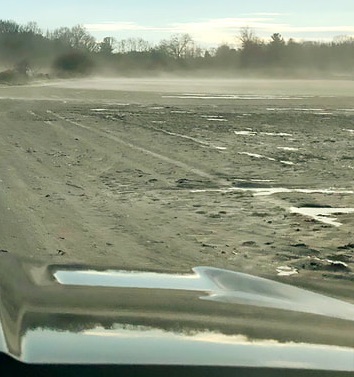
Wind storm blowing away top soil
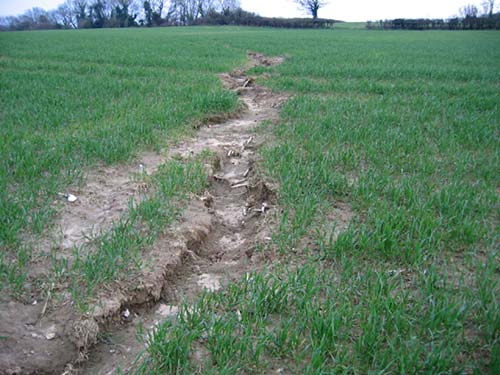
Excessive rain and poor soil quality eroding soil
Due to the excessive rain and the over saturated fields late in the season many farmers had to abandon the use of cover cropping because it was just too wet to get into the fields without creating more damage. Fields were either left bare, or if lucky, the remnants of the crop remained.
Soil is most happy when it has something living on it. It keeps the soil fed and healthy throughout the winter months, but it was too difficult to seed down fields or even germinate seed before it just rotted away from too much moisture.
This led to bare fields over the winter months. When we didn't have any snow cover, on windy days you could see top soil blowing away because there was nothing to hold it in place. Or the opposite, where there was too much snow melt or excessive rain made erosion a big issue. It basically washed away the top soil.
Farms have to start getting creative in years such as these. It's a tough battle. In some cases there's not much that can be done. We have to take care of our land just as much as we take care of ourselves. If the soil we grow our food on isn't healthy it will not perform well. Farmers constantly have to find the balance between profit and environmental sustainability.
The take home message here is that we are at the mercy of mother nature, but we have to try our hardest to make sure we are implementing the best agricultural practices as we can.


